Yes! You can use AI to fill out Authorization to Disclose Information
An Authorization to Disclose Information form is a legal document that allows an individual or organization to release your private information to another specified person or entity. This is crucial for situations like legal representation, medical record requests, or financial dealings where a third party needs access to your confidential data. Today, this form can be filled out quickly and accurately using AI-powered services like Instafill.ai, which can also convert non-fillable PDF versions into interactive fillable forms.
Authorization Form is part of the
authorization forms category on Instafill.
Our AI automatically handles information lookup, data retrieval, formatting, and form filling.
It takes less than a minute to fill out Authorization Form using our AI form filling.
Securely upload your data. Information is encrypted in transit and deleted immediately after the form is filled out.
Form specifications
| Form name: | Authorization to Disclose Information |
| Number of fields: | 1 |
| Number of pages: | 1 |
| Filled form examples: | Form Authorization Form Examples |
| Language: | English |
Instafill Demo: How to fill out PDF forms in seconds with AI
How to Fill Out Authorization Form Online for Free in 2026
Are you looking to fill out a AUTHORIZATION FORM form online quickly and accurately? Instafill.ai offers the #1 AI-powered PDF filling software of 2026, allowing you to complete your AUTHORIZATION FORM form in just 37 seconds or less.
Follow these steps to fill out your AUTHORIZATION FORM form online using Instafill.ai:
- 1 Navigate to Instafill.ai and upload your Authorization to Disclose Information form or select it from our library.
- 2 Provide your personal details, such as your full name, address, and contact information, as the authorizing party.
- 3 Clearly identify the person or organization you are authorizing to disclose the information.
- 4 Specify the recipient (the person or entity who will receive the information) and the exact information or records to be disclosed.
- 5 State the purpose of the disclosure and set an expiration date for the authorization if required.
- 6 Review all the information for accuracy, then electronically sign and date the form to validate the authorization.
Our AI-powered system ensures each field is filled out correctly, reducing errors and saving you time.
Why Choose Instafill.ai for Your Fillable Authorization Form Form?
Speed
Complete your Authorization Form in as little as 37 seconds.
Up-to-Date
Always use the latest 2026 Authorization Form form version.
Cost-effective
No need to hire expensive lawyers.
Accuracy
Our AI performs 10 compliance checks to ensure your form is error-free.
Security
Your personal information is protected with bank-level encryption.
Frequently Asked Questions About Form Authorization Form
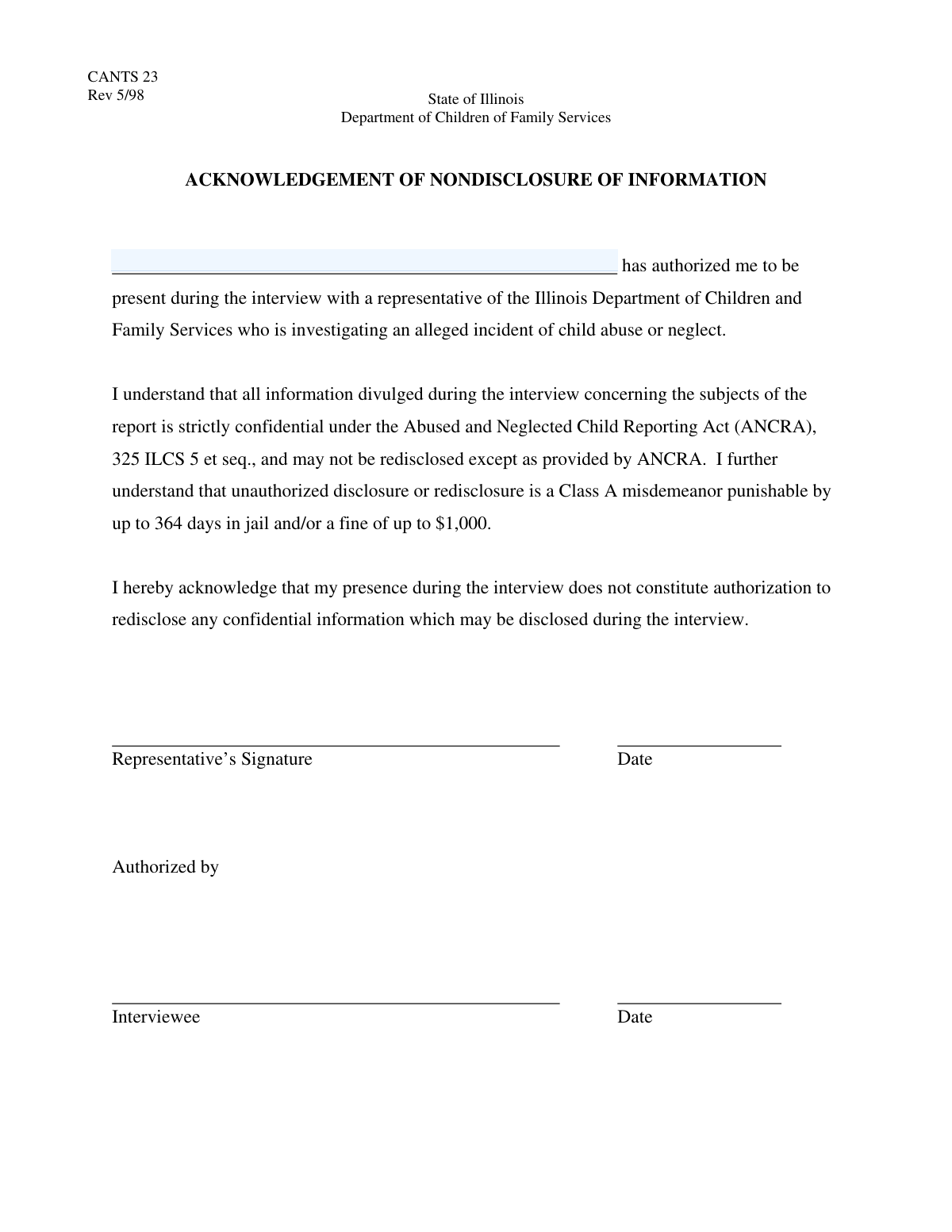
This form is used to officially document that your presence at a specific location or event has been approved by an authorized individual. It serves as a record of who granted you access.
The person whose presence requires authorization, such as a visitor, contractor, or guest, is typically the one who fills out this form. You will need to provide details about the person who has approved your visit.
You must provide the full legal name of the individual who has given you permission to be present. Avoid using nicknames or initials to ensure the authorization is clear and verifiable.
It is essential to have the correct full name for the form to be valid. Before completing this section, you should contact the person or the organization you are visiting to confirm the correct name.
While this form only asks for a name, the receiving organization may require additional documents like a photo ID or proof of authorization. Always check the specific submission guidelines provided by the organization.
Submission instructions are usually provided with the form. You may need to hand it to a security desk, email it to a specific department, or upload it to an online portal.
After submission, the information is typically verified to confirm your authorization. This may lead to the issuance of a visitor pass or badge, or simply serve as an official record of your approved presence.
In that situation, you should list the name of the department head or your primary contact person who managed the approval. If you're unsure, ask the department who should be listed as the authorizing person.
Yes, services like Instafill.ai use AI to auto-fill form fields accurately and save time. This can be particularly helpful for filling out your personal details on longer forms.
Simply upload the form's PDF to the Instafill.ai platform. Their service will make the document interactive, allowing you to type your information directly into the fields before downloading the completed form.
If you have a non-fillable PDF, you can use a tool like Instafill.ai to convert it into an interactive, fillable form. Just upload the file, and the platform will automatically detect the fields for you to complete online.
Processing times vary depending on the organization. For immediate access, it may be processed on the spot, while other situations might require a few business days for verification.
You should wait until your presence has been officially approved before filling out this form. Submitting a form without the name of an authorizing person will likely lead to its rejection.
Compliance Authorization Form
Validation Checks by Instafill.ai
1
Ensures Authorizing Person's Name is Provided
This check verifies that the 'Authorizing Person's Name' field is not submitted empty or with only whitespace characters. It is a mandatory field because the identity of the authorizing person is critical for the form's validity. If this check fails, the form submission will be blocked and the user will be prompted to enter a name.
2
Verifies Minimum Name Length
This validation ensures the entered name meets a minimum character threshold, such as three characters, after trimming whitespace. This prevents nonsensical or accidental single-character inputs like 'A' or 'X'. A name failing this check is considered invalid, and the user will be asked to provide a more complete name.
3
Enforces Maximum Name Length
This check confirms that the provided name does not exceed a predefined character limit, for example, 100 characters. This is important for maintaining data consistency and preventing buffer overflow errors in the database. If a name is too long, the submission is rejected, and the user is notified of the character limit.
4
Restricts Name to Valid Characters
This validation ensures the name field only contains alphabetic characters, hyphens, apostrophes, periods, and spaces. It prohibits numbers and special symbols (e.g., @, #, $, %) which are not part of a standard name. This maintains data integrity and prevents potential cross-site scripting (XSS) or data corruption issues.
5
Prohibits Numeric-Only Input
This check specifically identifies and rejects inputs that consist entirely of numbers. Users may mistakenly enter an ID number or phone number in the name field. This validation ensures the data is contextually appropriate, preventing incorrect data types from being saved.
6
Detects Placeholder or Default Text
This validation scans the input for common placeholder values like 'N/A', 'None', 'Test', 'Full Name', or 'First Last'. Such entries indicate the user has not provided the actual required information. The form submission is blocked to compel the user to enter the real name of the authorizing person.
7
Checks for 'Full Name' Structure
This check analyzes the input to see if it contains at least one space, suggesting the user has provided both a first and last name as requested. If only a single word is entered, the system can display a soft warning encouraging the user to provide the 'full name'. This improves the quality and completeness of the collected data without strictly blocking the submission.
8
Validates Against Excessive Internal Spacing
This check looks for formatting anomalies like multiple consecutive spaces between names (e.g., 'Jane Doe') or leading/trailing spaces that were not trimmed. These are typically typos that can lead to data inconsistencies and search problems. The system should either automatically correct the spacing or prompt the user to fix it.
9
Screens for Profanity and Offensive Language
This validation checks the submitted name against a blocklist of known profane or offensive terms. This is a moderation measure to maintain a professional and respectful data environment. If a forbidden word is detected, the submission is rejected immediately.
10
Rejects Common Test Names
This check compares the input against a list of common test names like 'John Doe', 'Jane Smith', or 'Test User'. This is crucial for production systems to prevent test data from polluting the live database. If a known test name is found, the form submission is blocked.
11
Sanitizes Input to Prevent Code Injection
A security-focused validation that scans the name field for HTML, XML, or script tags (e.g., '