Fill out state assembly forms
with AI.
State Assembly forms are critical documents used to interact with state legislatures, facilitating official requests, legislative initiatives, and administrative tasks. These forms ensure that formal proposals—such as funding requests or policy amendments—are documented correctly and processed through the appropriate legislative channels. They serve as the formal bridge between organizations, constituents, and their elected representatives, providing a structured way to communicate needs to the state government.
By continuing, you acknowledge Instafill's Privacy Policy and agree to get occasional product update and promotional emails.
About state assembly forms
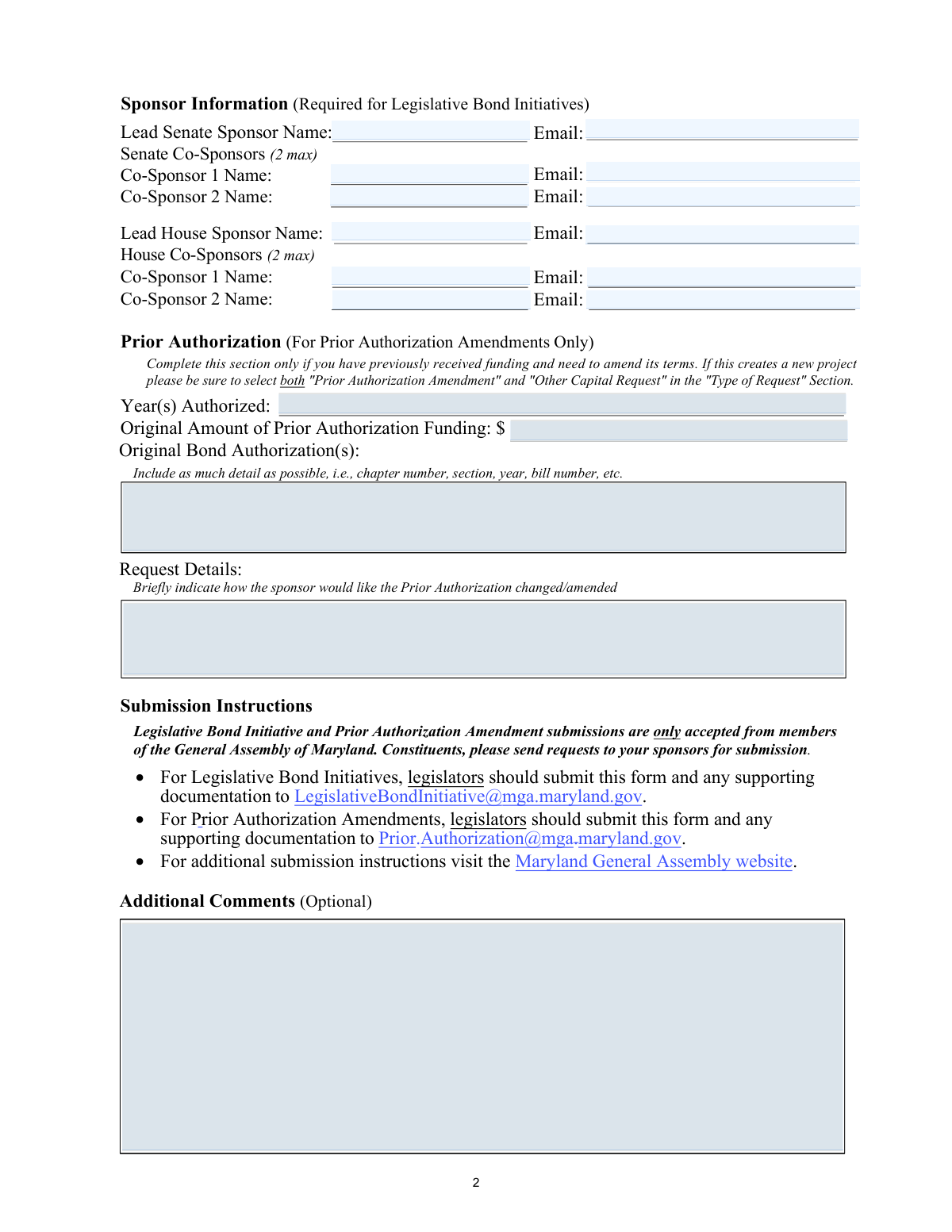
These forms are typically used by non-profit organizations, local government entities, and community groups seeking state support for specific projects. For example, documents like the Maryland General Assembly Capital Funding Request Form are essential for those requesting state-backed bonds for construction, renovation, or land acquisition. Navigating these requirements often involves tight deadlines and strict submission protocols through legislative sponsors, making accuracy and timeliness vital for a successful application.
Managing the paperwork for legislative requests can be time-consuming, but tools like Instafill.ai use AI to fill these forms in under 30 seconds while ensuring data accuracy and security. By automating the data entry process, users can focus more on the substance of their project proposals and less on the manual complexities of PDF documentation.
Every form on this page can be completed without typing. Instafill is form filling software that reads a PDF and fills it for you — including flat and scanned documents that carry no fillable fields at all.
Forms in This Category
| Form Name | Pages | FCI | |
|---|---|---|---|
| 1. | Maryland General Assembly Capital Funding Request Form | 1 | – |
- Enterprise-grade security & data encryption
- 99%+ accuracy powered by AI
- 1,000+ forms from all industries
- Complete forms in under 60 seconds
How to Choose the Right Form
Navigating state assembly requests can be complex, especially when seeking financial support for major projects. While legislative processes vary by state, this category currently focuses on capital funding within the State of Maryland.
Is the Maryland General Assembly Capital Funding Request Form right for you?
This form is the essential document if your organization is seeking state-level financial support for infrastructure or development. You should use the Maryland General Assembly Capital Funding Request Form if:
- You are seeking a Legislative Bond Initiative: This is the standard path for securing capital grants for local or non-profit projects through the state budget.
- Your project involves physical assets: The form is intended specifically for project acquisition, planning, design, construction, or renovation. It is not intended for general operating expenses.
- You have a legislative sponsor: To successfully submit this request, you must work through a member of the Maryland General Assembly (a Senator or Delegate) who will sponsor the initiative.
- You need to amend a prior authorization: If a project was previously approved but requires changes to the funding terms, project scope, or grantee name, this form is used to request those specific amendments.
Tips for a Successful Submission
State assembly forms require precise details regarding project budgets, timelines, and community impact. When preparing the Maryland General Assembly Capital Funding Request Form, ensure you have your project's financial breakdown and legislative sponsor information ready.
Using a tool like Instafill.ai simplifies this process by allowing you to convert static PDF versions of the funding request into interactive, fillable documents. AI-powered assistance can help you draft clear descriptions of your project’s goals, ensuring your request is professional and complete before it reaches the hands of Maryland lawmakers.
Form Comparison
| Form | Purpose | Who Files It | Key Requirements | Funding Type |
|---|---|---|---|---|
| Maryland General Assembly Capital Funding Request Form | Request funds for project acquisition, planning, design, construction, or renovation. | Organizations or local government entities through a sponsoring Maryland legislator. | Requires project descriptions, budget estimates, and formal sponsorship from a Delegate or Senator. | Legislative Bond Initiatives or amendments to prior state funding authorizations. |
Tips for state assembly forms
Using AI-powered tools like Instafill.ai can help you complete complex state assembly forms in under 30 seconds with high accuracy. Your sensitive organizational data stays secure throughout the process, making it a reliable way to manage multiple legislative requests efficiently.
Most state assembly capital requests must be submitted through an official legislative sponsor, such as a Delegate or Senator. Reach out to your representative's office well before the filing window to ensure they are willing to support and submit your specific funding request.
Be specific about whether the funding is for acquisition, planning, design, or construction. Providing a clear, itemized breakdown of costs helps legislators understand exactly how the capital will be utilized and increases the likelihood of your project being prioritized.
Ensure the organization name and tax identification numbers on the form match your official state records exactly. Even minor discrepancies in entity details can lead to administrative delays or the rejection of your bond initiative during the legislative review process.
Keep project estimates, site plans, and proof of matching funds ready to reference while filling out the form. Having these documents organized allows you to provide precise answers and respond quickly to any follow-up inquiries from the General Assembly committee.
If you are requesting changes to a prior year's funding, clearly state the original authorization details and the specific nature of the amendment. This ensures the assembly can accurately track the project’s history and process the update without confusion.
Frequently Asked Questions
State assembly forms are official documents used by constituents, organizations, and local governments to communicate with their state's legislative body. These forms are commonly used to request capital funding, submit testimony on bills, or register for official legislative programs and initiatives.
Typically, non-profit organizations, local government entities, and community groups are eligible to submit these requests for projects that serve a public purpose. The projects must generally involve the acquisition, design, construction, or renovation of physical facilities rather than general operating costs.
Yes, most state assembly funding forms require a member of the House of Delegates or the State Senate to act as a sponsor. The sponsor is responsible for introducing the request as a Legislative Bond Initiative during the active legislative session.
Yes, AI tools like Instafill.ai can fill out state assembly forms accurately by extracting data from your project proposals or source documents and placing it into the correct fields. This helps ensure that complex technical data and project descriptions are transferred without manual entry errors.
Using AI-powered services, you can complete these forms in under 30 seconds. These tools can also convert non-fillable PDF versions of legislative documents into interactive forms, significantly reducing the time spent on manual formatting.
Qualifying projects usually include the planning, design, and construction of infrastructure, such as community centers, historical renovations, or public park improvements. The funding is intended for long-term physical assets that provide a clear benefit to the local community or the state.
Deadlines are usually tied to the start of the legislative session, often falling in the late fall or early winter months. It is important to check the specific assembly's calendar, as late submissions are rarely accepted once the budget review process has begun.
You should have a detailed project budget, proof of matching funds if required, and a clear description of the project's scope and public impact. Having these details organized makes it easier for AI tools to extract and populate the form fields accurately.
Yes, specific sections of capital funding forms are often designated for amending prior authorizations. This allows organizations to request changes to the project scope, extend the time for fund usage, or update the project's financial structure.
Completed forms are typically submitted to the Department of Legislative Services or a specific legislative committee, often via an online portal or through the office of your legislative sponsor. Always verify the current year's submission instructions, as the process can vary between legislative sessions.
Glossary
- Legislative Sponsor
- A member of the State Assembly or Senate who officially introduces and advocates for your funding request or project during the legislative session.
- Capital Funding
- State money specifically designated for long-term physical assets, such as the acquisition, construction, or renovation of buildings and infrastructure.
- Legislative Bond Initiative (LBI)
- A specific type of state grant sponsored by a legislator to provide funding for local community projects or non-profit organizations.
- Matching Funds
- A requirement where the requesting organization must provide a specific portion of the project cost from non-state sources to qualify for the state grant.
- Prior Authorization
- A reference to funding that was previously approved in a past legislative session, which may now require an amendment or extension.
- Fiscal Year (FY)
- The 12-month period used by the state for budgeting and accounting; funding requests are typically tied to a specific upcoming fiscal cycle.
- General Assembly
- The state's primary legislative body, usually composed of two chambers: the House of Delegates (or Assembly) and the State Senate.
- Grantee
- The legal entity or organization that will receive and be responsible for managing the funds if the legislative request is approved.