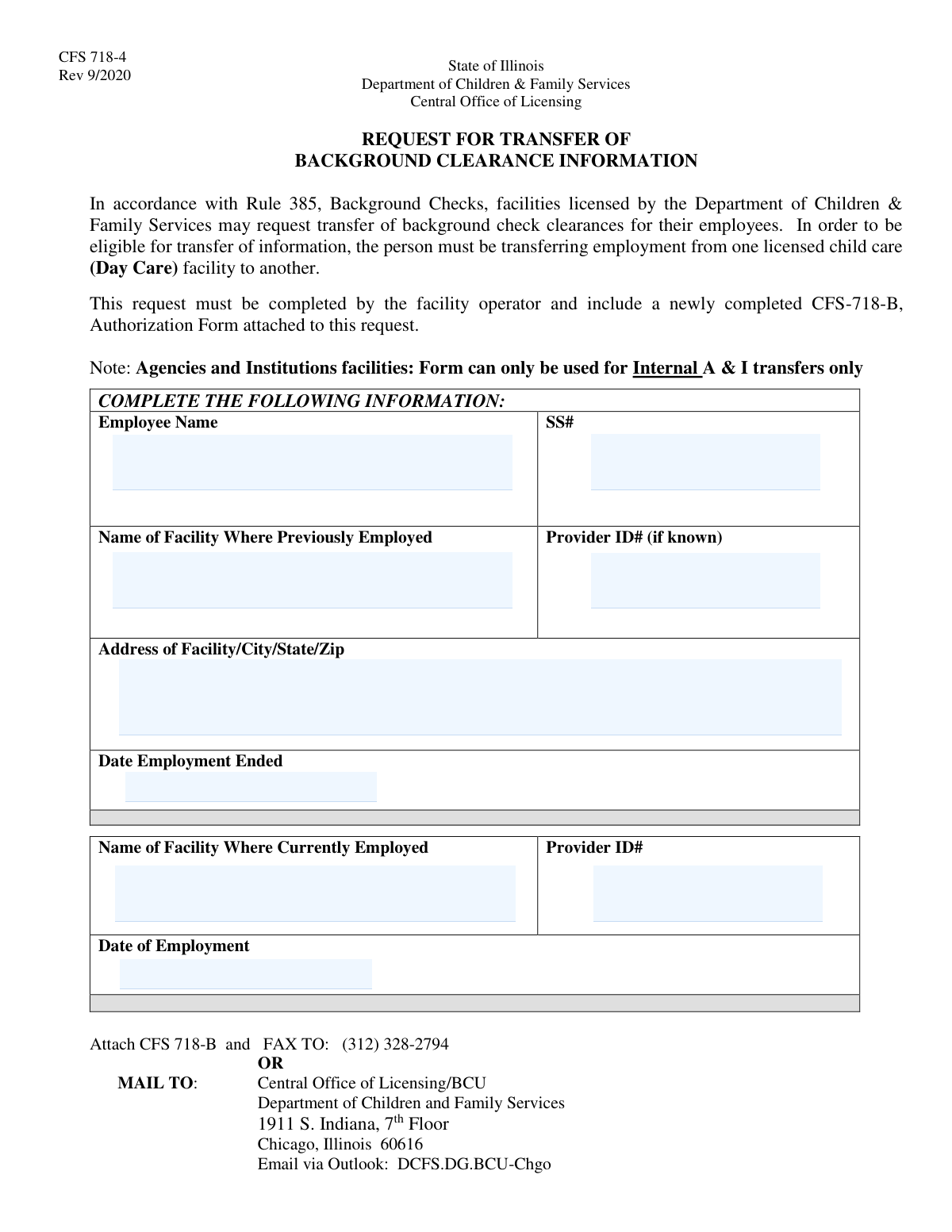
Yes! You can use AI to fill out Form CMS-L564, Request for Employment Information
Form CMS-L564, Request for Employment Information, is a crucial document used by the Centers for Medicare & Medicaid Services (CMS) and its contractors. Its primary purpose is to gather detailed information about a Medicare beneficiary's employment history to correctly determine whether Medicare or another group health plan is the primary payer. Ensuring this information is accurate helps prevent payment delays and billing errors. Today, this form can be filled out quickly and accurately using AI-powered services like Instafill.ai, which can also convert non-fillable PDF versions into interactive fillable forms.
Our AI automatically handles information lookup, data retrieval, formatting, and form filling.
It takes less than a minute to fill out CMS-L564 using our AI form filling.
Securely upload your data. Information is encrypted in transit and deleted immediately after the form is filled out.
Form specifications
| Form name: | Form CMS-L564, Request for Employment Information |
| Number of fields: | 9 |
| Number of pages: | 1 |
| Filled form examples: | Form CMS-L564 Examples |
| Language: | English |
Instafill Demo: How to fill out PDF forms in seconds with AI
How to Fill Out CMS-L564 Online for Free in 2026
Are you looking to fill out a CMS-L564 form online quickly and accurately? Instafill.ai offers the #1 AI-powered PDF filling software of 2026, allowing you to complete your CMS-L564 form in just 37 seconds or less.
Follow these steps to fill out your CMS-L564 form online using Instafill.ai:
- 1 Navigate to Instafill.ai and upload or select the CMS-L564 form.
- 2 Provide your personal details, such as your full name and Social Security Number, in the employee information section.
- 3 Enter the complete details of your previous employment, including the facility's name, provider ID, address, and your employment end date.
- 4 Fill in the information for your current employer, specifying the facility name, provider ID, and your start date.
- 5 Carefully review all the information you've entered for accuracy, ensuring all names, dates, and IDs are correct.
- 6 Securely sign and date the form electronically before downloading or submitting it as required by the requesting party.
Our AI-powered system ensures each field is filled out correctly, reducing errors and saving you time.
Why Choose Instafill.ai for Your Fillable CMS-L564 Form?
Speed
Complete your CMS-L564 in as little as 37 seconds.
Up-to-Date
Always use the latest 2026 CMS-L564 form version.
Cost-effective
No need to hire expensive lawyers.
Accuracy
Our AI performs 10 compliance checks to ensure your form is error-free.
Security
Your personal information is protected with bank-level encryption.
Frequently Asked Questions About Form CMS-L564
This form is used to document an employee's employment history, specifically tracking their transition from a previous facility to their current one for verification and record-keeping.
Typically, the HR department or a hiring manager at the current facility completes this form using information provided by the new employee.
You will need the employee's full name and Social Security Number, details about their previous employment (facility name, address, end date), and details about their current employment (facility name, provider ID, start date).
A Facility Provider ID is a unique number assigned to a facility for regulatory or insurance purposes. You can usually find this on official facility documents or by asking the facility's administrative office.
If the previous facility's Provider ID is unknown, you may leave the field blank or write 'N/A'. Ensure all other information, like the facility name and address, is as complete as possible.
If this is the employee's first job or they were not previously employed at a relevant facility, you can write 'Not Applicable' or 'N/A' in the 'Previous Employment Information' section.
The 'Previous Employment End Date' is the employee's last day of work at their former job. The 'Date of Current Employment' is the employee's official start date at their new job.
The Social Security Number is used for unique identification and to ensure accurate verification of the employee's records. This information should be handled securely and confidentially.
Yes, services like Instafill.ai use AI to accurately auto-fill form fields from your existing data sources, which saves time and helps prevent data entry errors.
Simply upload the form to the Instafill.ai platform. The AI will map the fields, allowing you to connect your data and automatically populate the employee's information with just a few clicks.
You can use a service like Instafill.ai, which can instantly convert flat, non-fillable PDFs into interactive, fillable forms online. This allows you to easily type in your information or have it auto-filled.
If you make a mistake, it is best to start over with a clean form to ensure legibility and accuracy. If using a fillable PDF, you can simply correct the entry before saving or printing.
Follow your company's internal procedures for submitting HR documents. This typically involves giving it to your HR department or uploading it to the employee's digital file.
Compliance CMS-L564
Validation Checks by Instafill.ai
1
Ensures Employee Name is Provided
This validation confirms that the 'Employee Name' field is not left blank. The employee's full name is a primary identifier and is essential for all record-keeping, communication, and legal documentation. A failed validation would prevent form submission and prompt the user to enter the required name.
2
Validates Social Security Number Format and Plausibility
This check ensures the 'Social Security Number' is entered in a valid format, such as XXX-XX-XXXX or XXXXXXXXX, and contains only digits. It also verifies that the number is a plausible SSN, not one from an invalid range (e.g., 000-00-0000 or with an area number of 666). This is critical for tax reporting and identity verification, and failure prevents the submission of incorrect or unusable data.
3
Ensures Social Security Number is Provided
This validation confirms that the 'Social Security Number' field is not empty. The SSN is a mandatory federal identifier required for employment verification and tax purposes. If this field is empty, the submission will be blocked until a value is entered.
4
Ensures Current Facility Name is Provided
This check verifies that the 'Current Facility Name' field has been filled out. Knowing the current place of employment is fundamental for context, reporting, and verifying the employee's status. An empty field would trigger an error, requiring the user to specify the current facility.
5
Ensures Current Facility Provider ID is Provided
This validation ensures that the 'Current Facility Provider ID' field is not left blank. This ID is a unique identifier for the facility, crucial for regulatory compliance, billing, and accurate data linkage between systems. A missing ID would prevent submission and prompt the user for the required information.
6
Validates Provider ID Format
This check verifies that both 'Previous Facility Provider ID' (if provided) and 'Current Facility Provider ID' adhere to a predefined format, such as being a specific length or alphanumeric pattern. This ensures data integrity and compatibility with other systems that rely on correctly formatted IDs. An invalid format would result in an error message explaining the expected structure.
7
Ensures Current Employment Start Date is Provided
This validation confirms that the 'Date of Current Employment' field is filled. This start date is essential for calculating tenure, benefits eligibility, and tracking employment history. The form cannot be submitted without this crucial piece of information.
8
Validates Current Employment Date is a Valid, Non-Future Date
This check ensures the 'Date of Current Employment' is a real calendar date and is not set in the future. An employment start date cannot logically occur after the present day. This prevents data entry errors and ensures the timeline of employment is accurate, rejecting any invalid or future dates.
9
Validates Previous Employment End Date is a Valid, Past Date
This check confirms the 'Previous Employment End Date' is a valid calendar date and that it occurs in the past. It is impossible for a previous job to end in the future. This validation prevents logical impossibilities and ensures the employment timeline is coherent, rejecting any future or invalid dates.
10
Ensures Employment Dates are Chronologically Correct
This is a critical logical check that verifies the 'Date of Current Employment' is after the 'Previous Employment End Date'. An employee cannot start a new job before they have finished their previous one. This validation prevents contradictory data entry and ensures the employment history is sequential and logical.
11
Ensures Completeness of Previous Employment Information
This validation checks that if any of the main previous employment fields (Name, Address, End Date) are filled, the others are also completed. This rule ensures that partial, unusable records of previous employment are not submitted. If a user starts entering previous employment data, they are prompted to provide a complete record.
12
Validates Completeness of Previous Facility Address
This check ensures that if the 'Previous Facility Address' field is filled, it contains all necessary components: street, city, state, and zip code. An incomplete address is not useful for mailings or location verification. The validation would prompt the user to add the missing address components before submission.
13
Validates Zip Code Format in Previous Facility Address
This validation specifically targets the zip code within the 'Previous Facility Address' field, ensuring it conforms to a standard 5-digit or 9-digit (ZIP+4) format. A valid zip code is essential for address verification and routing. An incorrectly formatted zip code would trigger an error and require correction.
14
Validates State in Previous Facility Address
This check verifies that the state provided in the 'Previous Facility Address' is a valid, recognized state name or two-letter postal abbreviation. This prevents typos and ensures the address data is standardized and usable for location-based services or reporting. An invalid entry would prompt the user to select from a list of valid states or correct their input.
Common Mistakes in Completing CMS-L564
This error often occurs due to a simple typo or misremembering the number sequence. Because the SSN is a unique identifier for verification and records, even a single wrong digit can lead to a complete failure in processing, significant delays, and potential security risks. To avoid this, always double-check the number against an official document like a Social Security card or a previous tax return before submission.
Applicants sometimes use a nickname, an initial instead of a middle name, or omit a suffix, rather than providing their full legal name. This creates a mismatch with official government and employment records, complicating background checks and identity verification. Always enter your full legal name exactly as it appears on your government-issued identification, such as a driver's license or passport.
Instead of writing the full, official name of a previous or current employer (e.g., 'Community General Hospital of Anytown'), people often use common abbreviations or local names (e.g., 'General Hospital'). This ambiguity makes it difficult for reviewers to accurately identify the facility and verify employment history, causing delays. It is crucial to find and use the complete, official name of the facility as it would appear on legal documents or pay stubs.
Users frequently enter dates in a format different from what is required, such as DD/MM/YYYY when the form expects MM/DD/YYYY. This is a common issue for people accustomed to different regional standards and leads to data entry errors and incorrect records. To prevent this, carefully check for any formatting instructions (like MM/DD/YYYY) next to the date field and be consistent. AI-powered tools like Instafill.ai can help by automatically formatting dates correctly.
It's common for applicants to forget a suite number, enter an incorrect zip code, or even omit the city from a previous employer's address. This incomplete information can cause verification requests sent by mail to be returned as undeliverable, halting the entire process. Before filling out the form, use an online search to confirm the facility's full and accurate mailing address.
When asked for the 'Date of Current Employment,' some individuals mistakenly enter the date they are filling out the form, not their actual start date. This misinterpretation leads to inaccurate employment records, which can affect eligibility for benefits or seniority calculations. Carefully read the field label to ensure you are providing the historical start date of your employment.
An applicant might accidentally enter an end date for a previous job that occurs after the start date of their current job. While overlapping employment is possible, this is often a typo and raises a red flag, requiring a manual review to clarify the timeline. To avoid this, review all dates together before submitting to ensure they form a logical and accurate career history.
Fields like 'Previous Facility Provider ID' are often marked as optional or 'if known,' leading people to skip them even when the information is accessible. While the form can be submitted without it, providing this data significantly speeds up the verification process by giving reviewers a unique identifier for the facility. Always check old pay stubs or employment documents for this information before deciding to leave the field blank.
If the form is only available as a non-fillable PDF, users often print it and complete it by hand, which can result in illegible entries. Poor handwriting for critical data like names, addresses, and ID numbers is a primary source of transcription errors, leading to incorrect records and failed verifications. To prevent this, use a service like Instafill.ai to convert the flat PDF into a digitally fillable version, ensuring every entry is perfectly clear and legible.
Applicants may enter a Social Security Number as a continuous string of digits (XXXXXXXXX) or with spaces instead of dashes. Automated systems are often configured to accept only one specific format, typically XXX-XX-XXXX, and will reject entries that don't comply. This causes an immediate validation error and requires the user to correct the form. Using form-filling tools can help by automatically applying the correct mask and format as you type.
Saved over 80 hours a year
“I was never sure if my IRS forms like W-9 were filled correctly. Now, I can complete the forms accurately without any external help.”
Kevin Martin Green
Your data stays secure with advanced protection from Instafill and our subprocessors

Robust compliance program
Transparent business model
You’re not the product. You always know where your data is and what it is processed for.
ISO 27001, HIPAA, and GDPR
Our subprocesses adhere to multiple compliance standards, including but not limited to ISO 27001, HIPAA, and GDPR.
Security & privacy by design
We consider security and privacy from the initial design phase of any new service or functionality. It’s not an afterthought, it’s built-in, including support for two-factor authentication (2FA) to further protect your account.
Fill out CMS-L564 with Instafill.ai
Worried about filling PDFs wrong? Instafill securely fills form-cms-l564-request-for-employment-information-2 forms, ensuring each field is accurate.