Fill out 401a forms
with AI.
401(a) forms are essential documents used to manage employer-sponsored retirement plans, typically found in government agencies, educational institutions, and non-profit organizations. Unlike a standard 401(k), a 401(a) plan is often custom-tailored by the employer, focusing on specific contribution levels and eligibility requirements. These forms are critical for establishing accounts, designating beneficiaries, and managing the long-term growth of retirement assets, ensuring that both the employer and employee remain compliant with IRS regulations and plan-specific rules.
By continuing, you acknowledge Instafill's Privacy Policy and agree to get occasional product update and promotional emails.
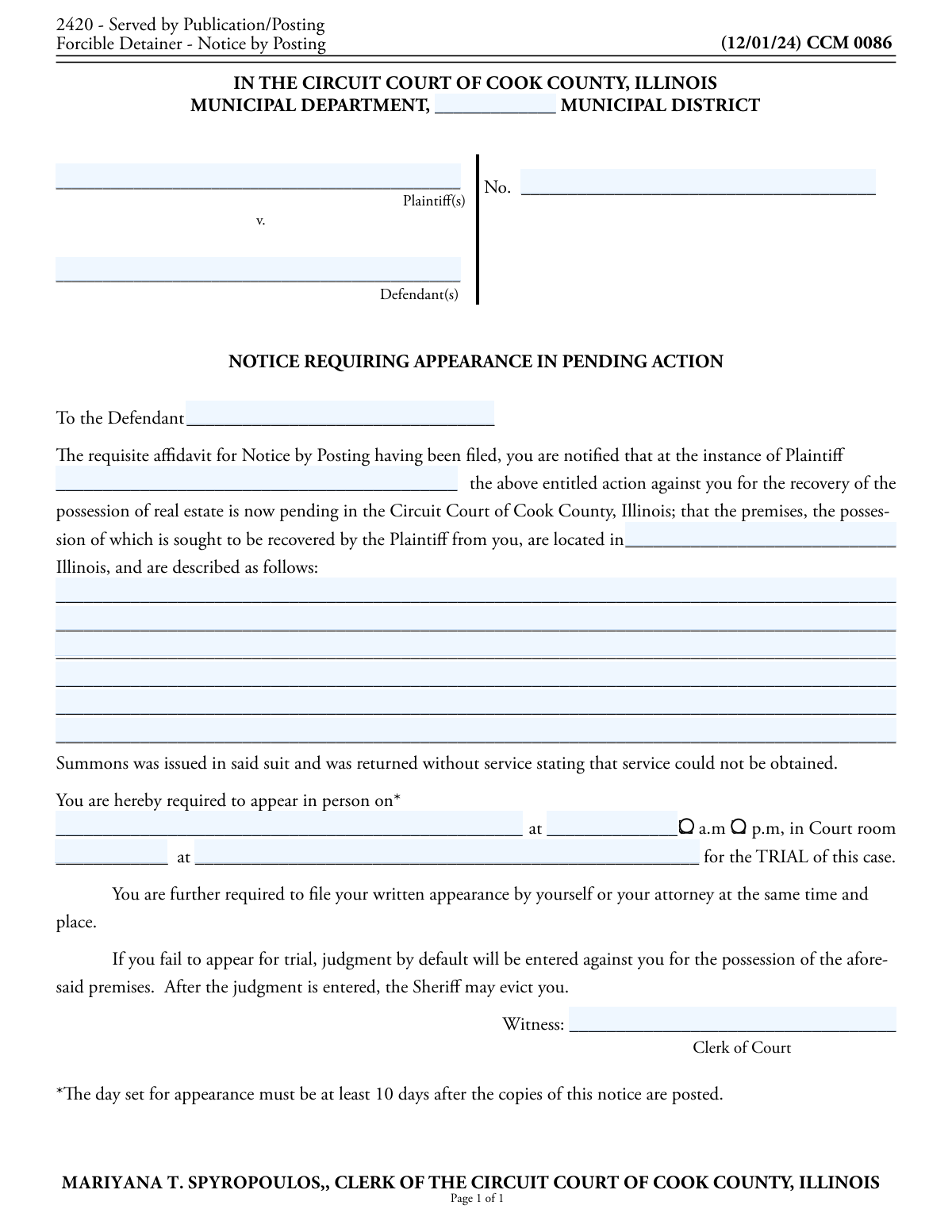
About 401a forms
These forms are primarily used by public sector employees, such as teachers, administrators, and municipal workers, during key career milestones. You will likely encounter these documents when first joining an organization to enroll in the plan, or when making life changes that require updating beneficiary information or adjusting contribution types. Additionally, those nearing retirement or transitioning to a new role will use these forms to initiate distributions or process rollovers into other qualified accounts. Managing these documents accurately is vital for securing financial stability after leaving the workforce.
Navigating the technical details of retirement paperwork can be time-consuming and prone to errors. Tools like Instafill.ai use AI to fill these 401(a) forms in under 30 seconds, ensuring data is handled accurately and securely to streamline your financial planning. By automating the data entry process, you can focus on your retirement strategy rather than the complexities of the paperwork itself.
Every form on this page can be completed without typing. Instafill is form filling software that reads a PDF and fills it for you — including flat and scanned documents that carry no fillable fields at all.
- Enterprise-grade security & data encryption
- 99%+ accuracy powered by AI
- 1,000+ forms from all industries
- Complete forms in under 60 seconds
How to Choose the Right Form
Choosing the right 401(a) form depends on where you are in your career journey—whether you’re just starting a government or non-profit role, managing your current savings, or preparing for retirement. Use this guide to identify the document that matches your specific goal.
Setting Up Your Account
If you have recently joined an organization that offers a 401(a) Money Purchase Plan, your first step is typically the 401(a) Enrollment Form. This document establishes your account and sets your initial investment preferences. Alongside this, you should complete a Beneficiary Designation Form to ensure your assets are protected and directed according to your wishes in the event of your death.
Managing and Growing Your Savings
If you are looking to consolidate retirement accounts from previous employers, you will need a 401(a) Rollover Contribution Form. This allows you to move funds from a 401(k), 403(b), or IRA into your current 401(a) plan. If your specific plan allows for voluntary contributions beyond the mandatory employer/employee amounts, look for a Voluntary Contribution Change Form to adjust your monthly savings rate.
Accessing Your Funds
Accessing 401(a) funds is generally more restricted than other plans, often requiring a "triggering event" like separation from service or reaching a specific retirement age.
- Separation from Service / Retirement: Use the 401(a) Distribution Request Form to begin receiving payments or to roll your balance into an IRA after leaving your employer.
- Emergency Needs: If your plan permits, a 401(a) Loan Application or a Hardship Withdrawal Request may be available for immediate financial needs, though these usually require additional supporting documentation to prove eligibility.
- Required Minimum Distributions (RMDs): If you are age 73 or older and no longer working, use the 401(a) RMD Election Form to meet mandatory federal tax requirements.
Always verify with your HR department or plan administrator which specific version of these forms is required for your particular employer-sponsored plan before filing.
Form Comparison
| Form | Purpose | Key Action | Primary Requirement |
|---|---|---|---|
| 401(a) Enrollment Form | Establishes participation in the employer-sponsored retirement plan. | Select contribution amounts and initial investment allocations. | Employee identification and official employment start date. |
| 401(a) Beneficiary Designation | Identifies individuals to receive funds upon the participant's death. | Assign percentages to primary and contingent beneficiaries. | Beneficiary names, social security numbers, and contact information. |
| 401(a) Distribution Request | Requests a payout of funds from the retirement account. | Choose between lump-sum, installments, or direct rollover options. | Termination of employment status or reaching age 59.5. |
| 401(a) Rollover Contribution | Transfers funds from a previous employer's retirement plan. | Deposit assets into the current 401(a) account tax-free. | Certification of the previous plan's tax-qualified status. |
| 401(a) Loan Application | Borrow funds from the participant's vested account balance. | Agree to specific repayment terms and payroll deduction interest. | Proof of eligibility and available vested account balance. |
| 401(a) Investment Change | Modifies how existing and future contributions are invested. | Rebalance portfolio or shift funds between different investment options. | Specific fund names and target allocation percentages. |
| 401(a) Hardship Withdrawal | Emergency access to funds for specific immediate financial needs. | Demonstrate immediate and heavy financial necessity per IRS rules. | Supporting documentation of medical, housing, or educational costs. |
Tips for 401a forms
Before filling out a withdrawal or rollover form, confirm your current vesting percentage with your plan administrator. This ensures you understand exactly how much of the employer-contributed funds you are legally entitled to receive before you finalize the paperwork.
Always include both primary and contingent beneficiaries to ensure your retirement assets are handled according to your wishes. Missing or incomplete details in this section are common reasons for form rejection and can lead to significant administrative delays.
401a plans are often unique to specific government agencies or non-profit organizations. Double-check that you have entered the correct Plan ID or Employer Identification Number (EIN) to ensure the form is routed to the correct department without issue.
When filling out distribution forms, pay close attention to the federal and state tax withholding sections. Incorrectly marking these boxes can lead to unexpected tax liabilities or early withdrawal penalties during the next tax filing season.
AI-powered tools like Instafill.ai can complete these forms in under 30 seconds with high accuracy, which is a real time-saver for people dealing with multiple retirement documents. Your sensitive financial data stays secure during the process, providing a safe and efficient way to handle your paperwork.
Ensure you are using the correct form specifically for a 401(a) plan rather than a 403(b) or 457(b). While these plans are often offered by the same employers, the rules regarding mandatory contributions and withdrawal eligibility differ significantly.
Frequently Asked Questions
401a forms are used to manage retirement plans specifically designed for government employees, teachers, and staff at non-profit organizations. These documents facilitate various administrative tasks, including enrolling in a plan, designating beneficiaries, and requesting distributions upon retirement or separation from service.
These forms are typically filled out by employees of public sector entities, such as state and local governments, or certain tax-exempt organizations. Because 401(a) plans are often employer-sponsored with specific participation rules, employees must complete these forms to ensure their contributions and employer matches are handled correctly.
While both types of forms relate to defined-contribution retirement plans, 401a forms are exclusive to the public and non-profit sectors, whereas 401k forms are used by private-sector companies. Additionally, 401(a) plans often involve mandatory employer contributions, which are reflected in the specific data fields on these forms.
Yes, AI tools like Instafill.ai can fill out 401a forms in under 30 seconds by accurately extracting data from your source documents. This technology automatically places your information into the correct fields, minimizing manual entry errors and streamlining the submission process.
You should update your beneficiary designation form whenever you experience a significant life event, such as a marriage, divorce, or the birth of a child. Regularly reviewing this form ensures that your retirement assets are distributed according to your current wishes without legal delays.
Most 401a forms should be submitted to your employer's human resources department or the third-party financial institution that administers the plan. Always check the specific instructions at the bottom of the form to determine if it requires an original physical signature or if a digital submission is acceptable.
To complete a rollover form, you will generally need the account number and contact information for both the sending and receiving financial institutions. You may also need to provide a recent account statement to verify the balance and the tax-qualified status of the funds being moved.
Filling out these forms manually can take 15 to 20 minutes, but using an AI-powered platform like Instafill.ai can reduce that time to less than 30 seconds. The AI quickly parses your identification and financial data to populate the PDF accurately and efficiently.
Yes, any time you wish to take money out of a 401(a) account, a distribution form is required to document the reason for the withdrawal and your tax withholding preferences. This form is essential for the IRS to track whether the distribution is subject to early withdrawal penalties or standard income tax.
In many cases, if you are married and choosing a beneficiary other than your spouse or selecting a specific distribution method, your spouse may be required to sign a waiver. This section of the form often requires a notary public to witness the signature to ensure it is legally binding.
An enrollment form typically requires your Social Security number, contact information, employment start date, and your choices regarding contribution rates and investment allocations. Providing accurate information is critical for the proper setup of your retirement account and the commencement of employer matching.
Yes, most plan administrators provide a specific form for reallocating your existing balance or changing how future contributions are invested. These forms allow you to adjust your portfolio to better align with your long-term retirement goals and risk tolerance.
Glossary
- 401(a) Plan
- A tax-qualified retirement savings plan typically offered by government agencies, educational institutions, and non-profit organizations to their employees.
- Vesting Schedule
- The specific timeline that determines when an employee gains full ownership of the employer-contributed funds in their retirement account.
- Mandatory Contribution
- A required percentage of an employee's salary that must be contributed to the 401(a) plan as a condition of their employment.
- Rollover
- The process of moving retirement assets from one qualified plan to another, such as moving 401(a) funds into an IRA, to maintain tax-deferred status.
- Qualified Domestic Relations Order (QDRO)
- A legal judgment or decree that recognizes the right of an alternate payee, such as a former spouse, to receive a portion of a participant's retirement benefits.
- In-Service Distribution
- A withdrawal of funds from a retirement account while the employee is still actively working for the employer who sponsors the plan.
- Beneficiary Designation
- The formal process of naming the person or entity who will inherit the assets in the retirement account upon the death of the participant.
- Fiduciary
- An individual or organization legally obligated to manage the plan's assets and make decisions solely in the best interest of the plan participants.