Fill out contract for renting a house
with AI.
A contract for renting a house is a fundamental legal document that establishes a formal agreement between a property owner and a tenant. These agreements are essential for outlining the specific terms of a residency, including monthly rent amounts, security deposit requirements, utility responsibilities, and property maintenance rules. By clearly defining these parameters, both parties are legally protected, ensuring that expectations are set from the beginning and providing a clear framework for resolving any potential disagreements during the tenancy.
By continuing, you acknowledge Instafill's Privacy Policy and agree to get occasional product update and promotional emails.
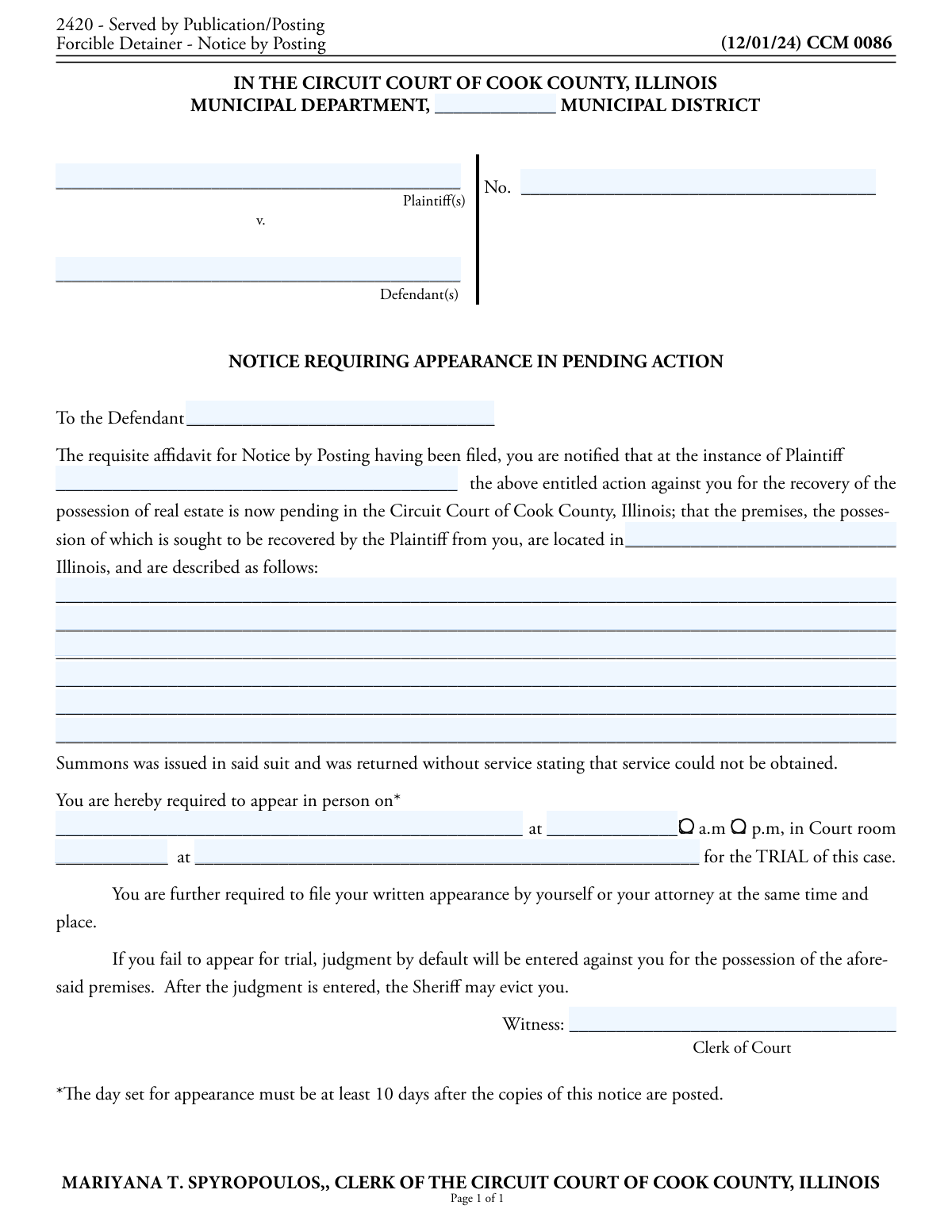
About contract for renting a house
This category of forms is primarily used by private landlords, property management companies, and individuals looking to secure a new home. Whether you are drafting a standard residential lease, a month-to-month rental agreement, or a specialized room rental contract, having the right documentation is critical for a smooth transition. These forms are used at the start of a new rental period, during lease renewals, or when updating terms to reflect changes in local housing regulations or property management policies.
Navigating the complexities of legal paperwork can be time-consuming, but modern technology has simplified the process. Tools like Instafill.ai use AI to fill these rental forms accurately and securely in under 30 seconds, allowing you to finalize your housing arrangements without the hassle of manual data entry.
Every form on this page can be completed without typing. Instafill is form filling software that reads a PDF and fills it for you — including flat and scanned documents that carry no fillable fields at all.
- Enterprise-grade security & data encryption
- 99%+ accuracy powered by AI
- 1,000+ forms from all industries
- Complete forms in under 60 seconds
How to Choose the Right Form
Choosing the right residential lease depends primarily on the length of the stay and the specific living arrangement. Using a standardized template ensures that you comply with landlord-tenant laws while clearly defining the responsibilities of both parties.
Long-Term Residential Agreements
If you are looking for stability, a Standard Residential Lease Agreement is the most common choice. This is typically used for fixed-term tenancies, such as a one-year lease. It outlines the monthly rent, security deposit terms, and maintenance responsibilities. If you are renting out a single-family home, ensure you select a form that specifically covers property-specific rules like lawn care, utility payments, or HOA compliance.
Short-Term and Flexible Options
For arrangements without a set end date, a Month-to-Month Rental Agreement offers the most flexibility. This allows either the landlord or the tenant to terminate the lease with proper notice (usually 30 days). This is ideal for transitional housing or for landlords who want the option to adjust rent prices or terms more frequently than a fixed-term lease allows.
Specialized Living Situations
If you aren't renting out the entire house, look for these specific forms to ensure all house rules are documented:
- Room Rental Agreement: Use this when a homeowner or primary tenant is renting out a single bedroom while sharing common areas like the kitchen and living room. It often includes specific clauses regarding quiet hours and shared chores.
- Sublease Agreement: This is essential if an existing tenant is renting the property to a third party for the remainder of their lease term, provided the original landlord allows it.
Before You Sign
Before finalizing a formal contract, it is best practice to have the prospective tenant fill out a Rental Application. This form allows you to collect necessary information for background checks and credit reports, helping you vet applicants before committing to a formal House Lease Contract.
Form Comparison
| Form | Agreement Type | Ideal Duration | Key Advantage |
|---|---|---|---|
| Standard Residential Lease Agreement | Fixed-term contract | Typically 12 months | Provides long-term rental price and occupancy stability for both parties. |
| Month-to-Month Rental Agreement | Periodic tenancy | Indefinite/Monthly | Offers maximum flexibility to terminate the lease with short notice. |
| Roommate Agreement | Shared living contract | Varies by lease term | Clarifies house rules, utility splits, and private vs. shared spaces. |
| Sublease Agreement | Secondary lease | Remaining original term | Allows a current tenant to rent the space to a third party. |
| Rent-to-Own Agreement | Lease with purchase option | Multi-year | Allows tenants to build equity or secure a purchase price early. |
| Short-Term Vacation Rental Agreement | Temporary lodging | Days or weeks | Includes specific clauses for cleaning fees, guest limits, and check-out rules. |
Tips for contract for renting a house
Before signing your rental contract, take detailed photos or videos of the entire house to document its current state. Attach a move-in checklist to the agreement to ensure you are not held responsible for pre-existing damage when your lease ends.
Ensure the contract explicitly states which party is responsible for utilities like water, electricity, and trash, as well as seasonal maintenance like lawn care. Ambiguity in these sections is a common cause of disputes between landlords and tenants.
AI-powered tools like Instafill.ai can complete these rental forms in under 30 seconds with high accuracy. Your personal data stays secure during the process, providing a massive time-saving advantage if you are applying for multiple properties simultaneously.
Carefully review the termination clause to understand how much advance notice is required before vacating the property. Missing the deadline for written notice can lead to automatic lease renewals or the loss of your security deposit.
Check the agreement for specific restrictions on painting walls, hanging heavy shelving, or installing smart home devices. If you plan on making minor changes, it is best to get written consent from the landlord before the lease begins.
Once all parties have signed, store a digital copy of the contract in a secure cloud folder for quick reference. Having easy access to your lease allows you to quickly verify rules regarding guest policies, pet fees, or emergency repair procedures.
Frequently Asked Questions
A residential lease agreement is a legally binding contract between a landlord and a tenant that outlines the terms of a property rental. It serves to protect both parties by clearly defining the rent amount, duration of the stay, and the responsibilities regarding maintenance and utilities. Having a written document ensures there is a clear record of the agreement in case of future disputes.
Typically, the property owner or landlord and all adult tenants who will be residing in the home must sign the contract. In some situations, a co-signer or guarantor may also be required to sign if the primary tenants do not meet certain credit or income requirements. Each person who signs the document is legally held to the terms and conditions outlined within it.
The most common types are fixed-term leases and month-to-month rental agreements. A fixed-term lease usually lasts for six months or a year and provides stability for both parties, while a month-to-month agreement offers more flexibility, allowing either party to terminate the arrangement with a standard notice period, usually 30 days.
Yes, it is possible to use AI tools like Instafill.ai to complete these documents efficiently. These tools can accurately extract data from source documents, such as identification or previous agreements, and place that information directly into the appropriate fields of your rental contract.
While manual entry can take 15 to 20 minutes depending on the complexity of the agreement, AI-powered tools can significantly reduce this time. Using Instafill.ai, you can often complete a standard rental form in under 30 seconds by automating the data extraction and placement process.
While laws vary by jurisdiction, a written contract is highly recommended for any residential rental to ensure the rights of both the landlord and tenant are enforceable. Many states require a written lease for any rental period exceeding one year to comply with the Statute of Frauds. A written document provides the best evidence of the terms agreed upon at the start of the tenancy.
A comprehensive contract should include the full names of the parties, the specific address of the property, the start and end dates of the lease, and the monthly rent amount. It should also clearly state the security deposit amount, pet policies, and which party is responsible for specific utility payments and yard maintenance.
In most cases, a residential lease agreement does not need to be notarized to be legally binding. As long as both parties have signed the document, it is generally considered valid. However, some people choose to notarize their signatures for added security or if the lease term is exceptionally long, such as several years.
Any changes made after the initial signing should be documented in a written amendment or addendum signed by both the landlord and the tenant. Verbal changes are difficult to prove and often not legally enforceable if the original contract requires all modifications to be in writing.
Once signed, the rental contract does not usually need to be filed with a government agency. Instead, the landlord should keep the original or a signed copy, and a duplicate original or copy should be provided to the tenant for their personal records. Digital copies are also frequently stored in secure online portals for easy access by both parties.
Glossary
- Lessor and Lessee
- The 'Lessor' is the landlord or property owner who is renting out the house, while the 'Lessee' is the tenant who is paying to live in it.
- Security Deposit
- A refundable payment made by the tenant before moving in to cover potential property damage or unpaid rent at the end of the lease.
- Prorated Rent
- A partial rent payment calculated based on the specific number of days a tenant occupies the property, usually used when moving in or out mid-month.
- Joint and Several Liability
- A legal clause meaning that all tenants on the lease are collectively and individually responsible for the full rent amount and any damages caused.
- Sublease
- An arrangement where the original tenant rents out the property to another person, though the original tenant usually remains responsible to the landlord.
- Right of Entry
- The legal right of a landlord to enter the rented house for repairs or inspections, typically requiring a 24 to 48-hour notice to the tenant.
- Quiet Enjoyment
- The tenant's right to use and occupy the property peacefully without unreasonable disturbance or interference from the landlord.
- Addendum
- An additional document attached to the main rental contract that outlines specific rules or changes, such as a pet policy or smoking ban.