Fill out contract for selling a house
with AI.
Selling a home is one of the most significant financial transactions most people will ever undertake, requiring a suite of legally binding documents to ensure the transfer of property is handled correctly. This category encompasses the essential contracts and disclosures needed to formalize an agreement between a buyer and a seller. These forms define critical details such as the purchase price, financing terms, property condition disclosures, and the timeline for closing the deal. Having the right paperwork in place protects both parties by clearly outlining their obligations and rights throughout the sale process.
By continuing, you acknowledge Instafill's Privacy Policy and agree to get occasional product update and promotional emails.
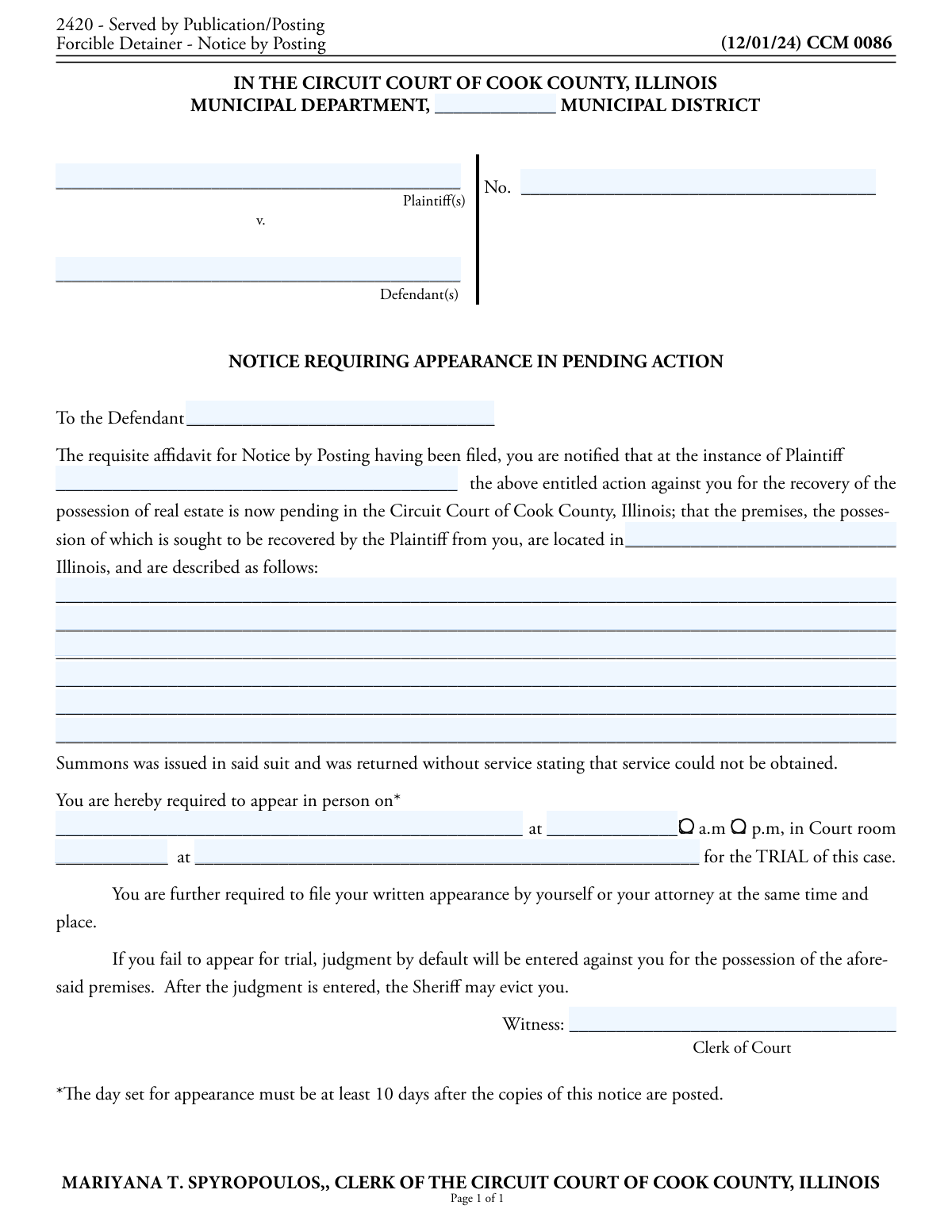
About contract for selling a house
These documents are typically used by homeowners selling their property independently (FSBO), real estate agents representing clients, and legal professionals facilitating the transaction. Whether you are drafting an initial Purchase Agreement or completing a Lead-Based Paint Disclosure, these forms are necessary from the moment an offer is accepted until the final signatures are collected at the closing table. Ensuring these forms are filled out accurately is vital to avoid delays or legal disputes that could jeopardize the sale.
To streamline this often complex paperwork, tools like Instafill.ai use AI to fill these forms in under 30 seconds while ensuring data accuracy and security. This provides a practical way to manage the administrative side of a real estate transaction without the manual effort usually required for detailed legal documentation.
Every form on this page can be completed without typing. Instafill is form filling software that reads a PDF and fills it for you — including flat and scanned documents that carry no fillable fields at all.
- Enterprise-grade security & data encryption
- 99%+ accuracy powered by AI
- 1,000+ forms from all industries
- Complete forms in under 60 seconds
How to Choose the Right Form
Selecting the right contract for selling a house depends on your specific role, the property type, and your state's legal requirements. To ensure a smooth transaction, consider these categories when choosing your form:
Standard Sales Agreements
The most common form is the Residential Real Estate Purchase Agreement. This serves as the primary legally binding document between the buyer and seller, outlining the price, closing date, and terms. If you are handling the sale without a real estate agent, look specifically for a For Sale By Owner (FSBO) Contract, which is tailored for independent transactions and often includes additional guidance for the parties involved.
Mandatory Disclosure Forms
In most jurisdictions, the seller is legally required to disclose known issues with the property before the sale is finalized.
- Seller’s Property Disclosure Statement: Use this to report the condition of the roof, plumbing, HVAC, and structural integrity.
- Lead-Based Paint Disclosure: This is a federal requirement for any residential property built before 1978. Failure to include this can lead to significant legal complications.
Addenda and Contingencies
Rarely is a sale "standard." You may need to attach specific addenda to the main contract to protect your interests:
- Financing Addendum: Use this if the sale is dependent on the buyer securing a mortgage.
- Inspection Contingency: This allows the buyer to back out or renegotiate if a professional inspection reveals major issues.
- Buyer’s Property Sale Contingency: Choose this if the buyer needs to sell their current home before they can finalize the purchase of yours.
Post-Agreement Modifications
If you have already signed a contract but need to change the closing date, sale price, or repair terms, do not draft an entirely new contract. Instead, use an Amendment to Real Estate Purchase Agreement. This keeps the original terms intact while legally documenting the specific changes agreed upon by both parties.
Form Comparison
| Form | Primary Purpose | Best For | Key Feature |
|---|---|---|---|
| Residential Purchase Agreement | Standard legal contract for buying/selling a home | Traditional agent-assisted home sales | Includes standard contingencies for inspections and financing |
| FSBO Purchase Agreement | Contract for sales without real estate agents | Private sellers looking to save on commissions | Simplified terms for direct buyer-seller negotiation |
| Contract for Deed | Seller-financed sale where title transfers later | Buyers who cannot secure traditional bank financing | Seller retains legal title until the final payment |
| Lease Option Agreement | Rent-to-own arrangement with future purchase right | Tenants wanting to lock in a purchase price | Combines rental terms with an exclusive option to buy |
| Commercial Purchase Agreement | Sale of business, office, or industrial property | Investors and corporate business entities | Extensive due diligence and zoning compliance clauses |
| Offer to Purchase Real Estate | Initial formal proposal to buy a property | Starting the negotiation process with a seller | Becomes a binding contract upon seller's signature |
| Real Estate Purchase Addendum | Modifies or adds terms to an existing contract | Adding specific conditions like home sale contingencies | Legally attaches to and alters the original agreement |
| Seller's Property Disclosure | Discloses known material defects of the property | Protecting the seller from future legal liability | Mandatory document in most residential real estate transactions |
| Earnest Money Agreement | Secures the property with a good-faith deposit | Demonstrating buyer commitment during the escrow period | Defines conditions for deposit refund or forfeiture |
| Land Contract | Installment-based purchase of vacant land or lots | Rural property sales or developer-to-buyer deals | Outlines payment schedules and land-use restrictions |
Tips for contract for selling a house
Double-check the legal description of the property, including parcel numbers and lot boundaries, rather than relying solely on the street address. Inaccurate property details can lead to title disputes or significant delays during the closing process.
Explicitly list conditions such as home inspections, financing approvals, or the sale of a current home to protect your interests. Vague contingency clauses are a frequent source of legal friction and can make a contract difficult to enforce.
Failure to disclose known defects can lead to legal complications or even lawsuits after the sale is finalized. Ensure all mandated disclosure forms are filled out accurately and attached to the contract to maintain full transparency with the buyer.
Real estate contracts are highly time-sensitive, with specific windows for inspections, appraisals, and earnest money deposits. Use a dedicated calendar to track these dates to ensure you do not accidentally breach the contract terms.
AI-powered tools like Instafill.ai can complete these complex house-selling forms in under 30 seconds with high accuracy. Your sensitive real estate data stays secure during the process, providing a practical time-saving solution for sellers managing multiple documents.
Keep all related documents, such as HOA rules, lead-based paint disclosures, and repair receipts, in a single digital folder. Having these ready to attach to your main contract ensures a smoother submission process to title companies and attorneys.
Ensure that everyone listed on the property title is available to sign the contract and that any corporate or trust-owned properties have the correct authorized representative. Missing a required signature can invalidate the entire agreement and halt the sale.
Frequently Asked Questions
A contract for selling a house, also known as a real estate purchase agreement, is a legally binding document that outlines the terms and conditions of a property transaction. It specifies the purchase price, the closing date, and any conditions or contingencies that must be met before the sale can be finalized.
Typically, the buyer's real estate agent or attorney prepares the initial contract as an offer. If the seller agrees to the terms, they sign the document, but if they wish to change anything, they may issue a counter-offer using an amended version of the form.
Most contracts require a legal description of the property, the agreed-upon sale price, and a specified earnest money deposit. They also usually include clauses for home inspections, financing approvals, and disclosures regarding the property's condition.
Yes, you can use AI tools like Instafill.ai to complete these forms. These tools are designed to accurately extract data from your source documents and place it directly into the relevant fields on the PDF contract.
When using AI-powered platforms, you can often fill out these forms in under 30 seconds. The technology automates the data entry process, which significantly reduces the time spent on manual typing and helps prevent clerical errors.
The agreement becomes legally binding once both the buyer and the seller have signed the document and acceptance has been officially communicated. In most states, real estate contracts must be in writing to be valid under the Statute of Frauds.
A standard contract often allows the buyer to request repairs or credits after an inspection, whereas an 'as-is' contract indicates that the seller will not make any repairs. However, even in an 'as-is' sale, the seller is generally required to disclose known material defects.
Once the contract is fully executed, it is typically sent to a title company or an escrow agent who will begin the closing process. This third party coordinates the transfer of funds, title searches, and the eventual recording of the deed.
Any modifications to a signed contract must be made through a written amendment or addendum. For the changes to take effect, both the buyer and the seller must agree to the new terms and sign the additional documentation.
While the core elements of the contract remain the same, FSBO sellers often use specialized disclosure forms and purchase agreements tailored for transactions without agent representation. It is important to ensure the form you choose complies with your specific state's real estate laws.
Yes, residential and commercial property sales use different forms because the legal requirements, inspections, and financing structures differ. Commercial contracts tend to be more complex and involve detailed due diligence periods that are not common in residential sales.
If a buyer misses a contingency deadline, such as the date for securing financing, they may be in breach of contract. Depending on the terms, the seller may have the right to terminate the agreement or keep the buyer's earnest money deposit.
Glossary
- Earnest Money
- A security deposit provided by the buyer to demonstrate their serious intent to purchase the home, which is typically applied to the down payment at closing.
- Escrow
- A legal arrangement where a neutral third party holds funds and important documents until all conditions of the sale contract have been fulfilled.
- Contingency
- A specific condition in the contract that must be met for the sale to proceed, such as the buyer obtaining a mortgage or the home passing an inspection.
- Disclosure
- A formal statement from the seller identifying known property defects or environmental hazards, which is often required by state law.
- Title Search
- An examination of public records to confirm the seller's legal ownership of the property and to check for any liens or claims against it.
- Closing Costs
- The final fees paid at the end of the transaction, which may include loan origination fees, title insurance, and government recording fees.
- Addendum
- A supplemental document added to the main contract to include extra terms or clarify existing ones without changing the original text.
- Proration
- The process of dividing ongoing property expenses, like taxes or homeowner association fees, between the buyer and seller based on their period of ownership.