Fill out death notification forms
with AI.
Death notification forms are essential legal and administrative documents used to formally inform organizations and institutions about the passing of an individual. These forms serve as the primary trigger for settling estates, closing accounts, and initiating the distribution of benefits. In the immediate aftermath of a loss, completing these documents is a necessary step to ensure that a deceased person’s final affairs are handled in accordance with their legal obligations and personal wishes.
By continuing, you acknowledge Instafill's Privacy Policy and agree to get occasional product update and promotional emails.
About death notification forms
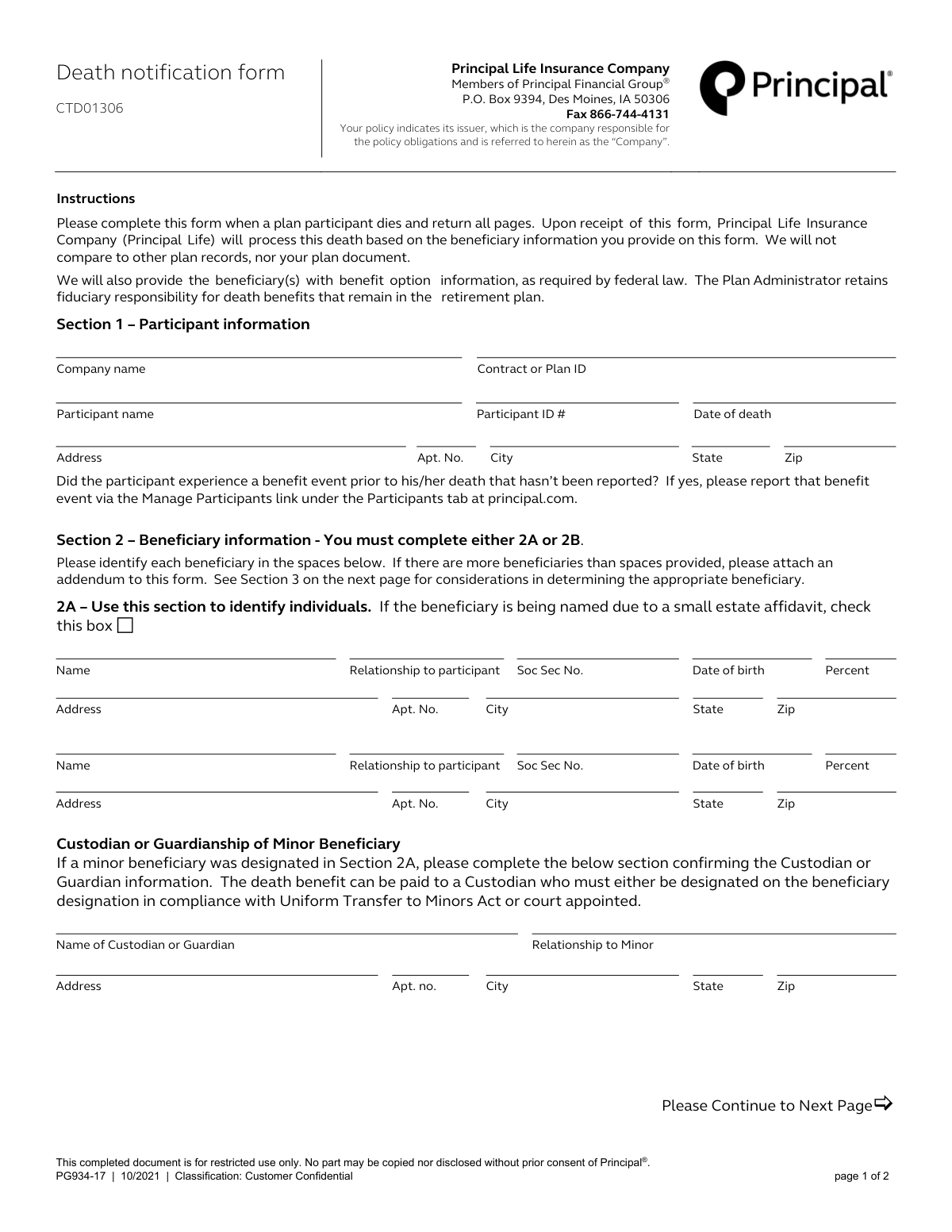
Typically, these forms are required by surviving family members, estate executors, or plan sponsors who must manage the transition of benefits. They are used in various critical situations, such as notifying life insurance providers like Principal Life to begin a claims process or informing financial institutions to secure and transfer assets. Because these documents often require precise participant and beneficiary information, accuracy is vital to prevent delays that could stall the delivery of much-needed support to beneficiaries.
Navigating the administrative requirements of a death notification can be a daunting task during a difficult time. Tools like Instafill.ai use AI to fill these forms in under 30 seconds, handling sensitive data accurately and securely to help streamline the process. This allows you to manage the necessary paperwork efficiently, ensuring that insurance claims and estate notifications are processed without unnecessary manual effort.
Every form on this page can be completed without typing. Instafill is form filling software that reads a PDF and fills it for you — including flat and scanned documents that carry no fillable fields at all.
Forms in This Category
| Form Name | Pages | FCI | |
|---|---|---|---|
| 1. | Principal Life Insurance Company Death Notification Form | 1 | – |
- Enterprise-grade security & data encryption
- 99%+ accuracy powered by AI
- 1,000+ forms from all industries
- Complete forms in under 60 seconds
How to Choose the Right Form
Choosing the right death notification form depends entirely on the insurance provider or financial institution holding the policy or benefit plan. While this category currently features a specific document for one provider, it is critical to ensure it matches your specific plan sponsor's requirements to avoid delays in the claims process.
When to Use the Principal Life Insurance Company Death Notification Form
This document is a specialized form intended for a specific set of circumstances. You should select the Principal Life Insurance Company Death Notification Form if:
- The Provider is Principal Life: The deceased was a participant in a retirement, life insurance, or employee benefit plan managed specifically by Principal Life Insurance Company.
- You are a Plan Sponsor: You are the employer, HR representative, or plan administrator responsible for officially notifying the carrier of a participant's death.
- Initiating Claims: You need to trigger the distribution of death benefits to designated beneficiaries by providing the carrier with the necessary participant data.
Essential Information for Completion
To complete the Principal Life Insurance Company Death Notification Form accurately using Instafill’s AI tools, you should have the following information prepared:
- Participant Details: Full legal name, Social Security Number, and date of birth.
- Policy Information: The specific plan or policy number associated with the account.
- Date of Death: The official date as listed on the death certificate.
- Beneficiary Data: Contact information and identifying details for the individuals or entities slated to receive the benefits.
Verifying Your Choice
If the policy is held by a different carrier—such as MetLife, Prudential, or a government entity—the Principal Life Insurance Company Death Notification Form will not be accepted. Always verify the logo and company name on the original policy documents before you begin. If you have a different, non-fillable PDF from another provider, you can use our AI conversion tools to make it interactive and easy to complete.
Form Comparison
| Form | Primary Purpose | Who Files It | Key Information Needed |
|---|---|---|---|
| Principal Life Insurance Company Death Notification Form | Initiates the claims process by notifying the insurer of a participant's death. | The plan sponsor or employer administrator associated with the insurance policy. | Requires participant data, date of death, and beneficiary contact information. |
Tips for death notification forms
Minor errors in the deceased's Social Security number or full legal name can lead to significant delays in processing benefits. Ensure every digit and spelling matches official records exactly to avoid the need for manual corrections or resubmission.
Most insurance providers require a certified copy of the death certificate to accompany the notification form. Having these digital or physical copies ready before you start filling out the form will streamline the entire notification and claims process.
Since these forms are often submitted via an employer or plan sponsor, you will need their specific contact and plan information. Confirming these details beforehand ensures the form reaches the correct department at Principal Life Insurance Company without being redirected.
AI-powered tools like Instafill.ai can complete these forms in under 30 seconds with high accuracy, serving as a real time-saver when dealing with multiple documents. Your data stays secure throughout the process, allowing you to focus on more pressing matters during a difficult time.
Providing outdated or incorrect contact details for beneficiaries can stall the distribution of benefits for weeks. Take a moment to confirm current addresses and phone numbers to ensure the insurance company can reach the intended recipients without issue.
Keep a digital copy of every completed notification form and any submission receipts for your personal records. This documentation is vital if you need to follow up on the status of a claim or provide proof of notification to other legal entities.
Frequently Asked Questions
A death notification form is a formal document used to inform an organization, such as an insurance company or pension provider, that a participant or policyholder has passed away. It serves as the initial step to trigger the processing of death benefits, life insurance payouts, or the settlement of an account.
Usually, a plan sponsor, employer, or the designated beneficiary is responsible for completing the form. In many corporate settings, the Human Resources department or the administrator of the benefit plan handles the submission to ensure all participant details are accurate.
Most organizations require a certified copy of the death certificate to verify the claim. Depending on the specific plan, you may also need to provide proof of the beneficiary's identity and documentation confirming the legal relationship to the deceased.
While specific timelines vary by provider, it is generally recommended to file a death notification as soon as possible to prevent delays in benefit distribution. Prompt filing ensures that any ongoing payments are stopped and that beneficiaries receive the support they are entitled to in a timely manner.
Yes, AI tools like Instafill.ai can be used to fill out death notification forms by accurately extracting data from source documents and placing it into the correct fields. This technology simplifies the process of handling sensitive paperwork during a difficult time by automating data entry.
Using AI-powered services, these forms can often be filled out in under 30 seconds. The AI quickly parses information from death certificates or participant records, reducing the manual effort required and minimizing the risk of errors in the submission.
After receiving the form, the insurance company or plan administrator will review the information and verify the coverage details. They will then typically reach out to the listed beneficiaries with instructions on how to file a formal claim for benefits.
Completed forms are typically sent to the claims department of the insurance company or the benefits administrator of the employer's plan. Many providers allow for submission via secure online portals, mail, or fax, depending on their specific administrative requirements.
You should have the deceased person's full legal name, Social Security number, date of birth, and date of death ready. Additionally, having the policy or plan number and the contact information for all potential beneficiaries will make the process much smoother.
In many cases, a beneficiary can initiate the process, but some group policies require the employer or plan sponsor to submit the official notification first. It is best to check the specific requirements of the policy or contact the plan administrator to confirm the correct procedure.
Glossary
- Beneficiary
- A person, estate, or entity designated by the policyholder to receive the proceeds of a life insurance policy or retirement plan upon the insured's death.
- Plan Sponsor
- The employer, union, or organization that sets up and manages the group insurance or retirement plan for its employees or members.
- Plan Participant
- The individual employee or member who is enrolled in the insurance plan and whose life is covered by the policy.
- Death Benefit
- The total sum of money that the insurance company pays to the designated beneficiaries when the insured individual passes away.
- Certified Death Certificate
- An official government document that serves as legal proof of death, typically required by insurance companies to process a notification or claim.
- Contingent Beneficiary
- A secondary person or organization named to receive benefits only if the primary beneficiary has died or is disqualified from receiving the payout.
- Group Policy Number
- A specific identification number assigned to an insurance contract that covers a group of people, such as all employees of a single company.
- Claimant
- The person or representative who officially notifies the insurance company of the death and submits the necessary paperwork to receive the death benefit.