Fill out residential lease forms
with AI.
Residential lease forms are the essential legal foundation for any rental relationship, serving as the formal bridge between property owners and tenants. This category covers a wide range of documents necessary for establishing, managing, and renewing tenancies, including rental applications and comprehensive lease agreements for apartments, condominiums, and single-family homes. These forms are critical because they clearly define the rights and responsibilities of both parties, documenting vital details such as rent amounts, security deposits, maintenance duties, and state-mandated disclosures. By using standardized real estate forms, both landlords and tenants can ensure they are protected and compliant with local housing laws.
By continuing, you acknowledge Instafill's Privacy Policy and agree to get occasional product update and promotional emails.
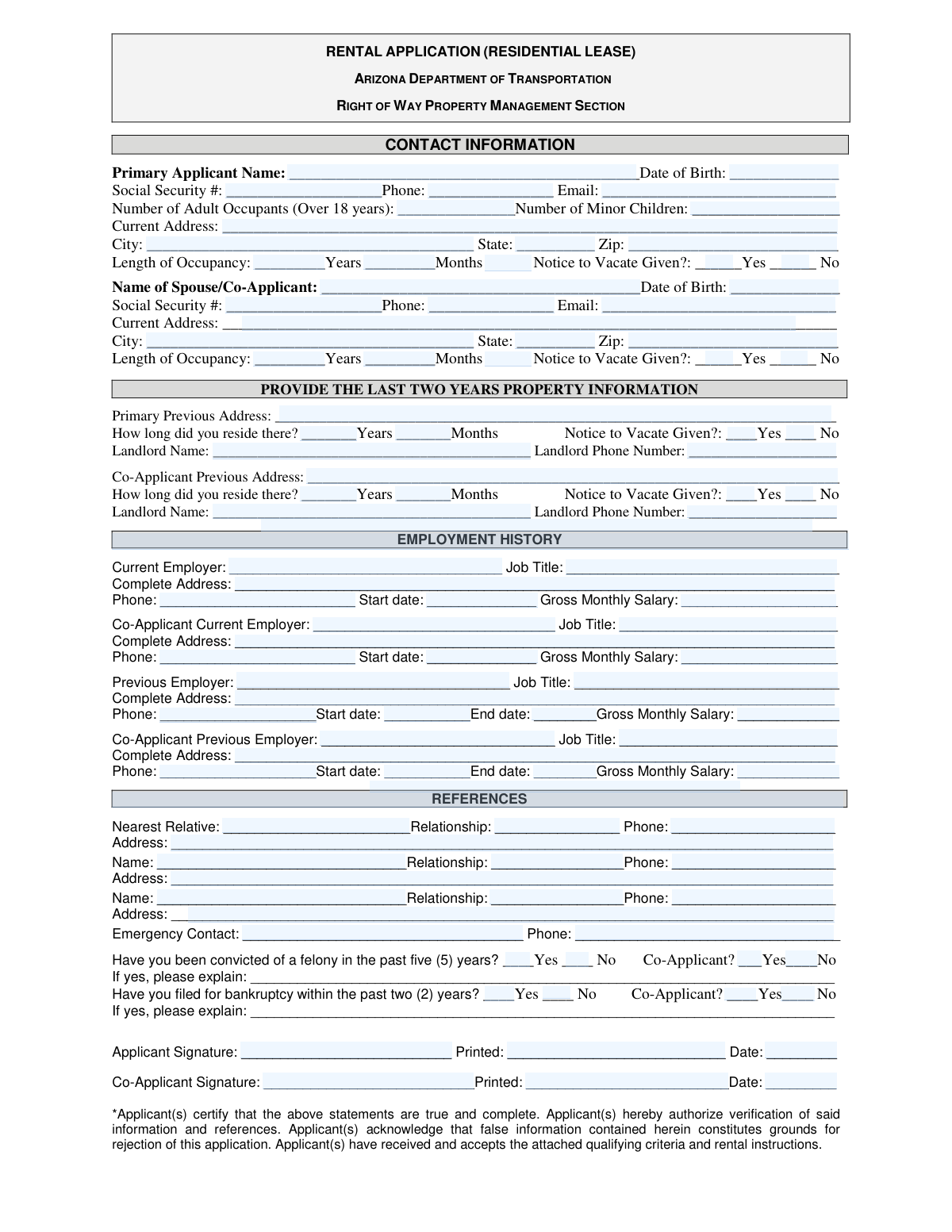
About residential lease forms
Whether you are a property manager overseeing a large portfolio, a landlord renting out a private residence, or a real estate professional utilizing specialized California rental forms, having the correct paperwork is vital for successful property management. These documents are typically needed during the initial tenant screening process, when onboarding a new resident, or when transitioning to a month-to-month agreement. Using professional forms like the Application for Lease or regional rental agreements helps prevent future disputes by providing a clear, written record of the terms agreed upon by all parties involved.
Completing these documents manually can be a repetitive and time-consuming task, but tools like Instafill.ai use AI to fill these forms in under 30 seconds while ensuring the data is handled accurately and securely. This practical solution allows you to process residential lease forms quickly, reducing the administrative burden and helping you finalize rental agreements with greater efficiency.
Every form on this page can be completed without typing. Instafill is form filling software that reads a PDF and fills it for you — including flat and scanned documents that carry no fillable fields at all.
Forms in This Category
The forms in this category have a median Form Complexity Index of 68/100 (Complex), measured across 7 forms by field count, input difficulty, length, conditional logic and structure. See how it is calculated.
- Enterprise-grade security & data encryption
- 99%+ accuracy powered by AI
- 1,000+ forms from all industries
- Complete forms in under 60 seconds
How to Choose the Right Form
Navigating residential lease forms requires understanding whether you are in the screening phase or the final contracting phase. Choosing the correct document ensures you comply with local laws and capture all necessary disclosures required for your specific region.
Screening Potential Tenants
Before a legal lease is signed, landlords must vet applicants to ensure they are a good fit for the property.
- Inland Residential Real Estate Services LLC Application for Lease (Form 4301): This is the form to choose if you are a property manager or landlord at the start of the process. It is designed to collect identity details, employment history, and emergency contacts. Crucially, it provides the legal authorization needed to run credit reports and criminal background checks, helping you make an informed screening decision.
Finalizing a Lease in California
Rental laws are highly state-specific, and California has some of the most detailed requirements in the country.
- C.A.R. Form LR, Residential Lease or Month-to-Month Rental Agreement: If your property is located in California, this is the standard choice. It is versatile enough to handle both fixed-term leases and month-to-month tenancies. It covers essential California-specific provisions such as HOA rules, statutory disclosures, and mediation procedures, ensuring that both landlord and tenant are protected under state law.
Finalizing a Lease in Chicago
Chicago has unique local ordinances that govern residential tenancies, which are different from general state or national forms.
- Chicago Residential Lease (Chicago Association of REALTORS®): Choose this form for apartments, condos, or single-family homes located within Chicago. This document is specifically tailored to handle Chicago’s requirements regarding security deposits, move-in fees, and utility disclosures. It clearly defines who is authorized to occupy the premises and provides the necessary structure to comply with local housing regulations.
Quick Selection Guide
- To screen an applicant: Use the Inland Application for Lease (Form 4301).
- For a California rental: Use the C.A.R. Form LR.
- For a Chicago rental: Use the Chicago Residential Lease.
Form Comparison
| Form | Purpose | Location/Jurisdiction | Key Information Included |
|---|---|---|---|
| Inland Residential Real Estate Services LLC Application for Lease (Form 4301, Rev. 11/14) | Evaluating prospective tenants through screening and background checks. | Specific to properties managed by Inland Residential Real Estate Services LLC. | Identity details, income, rental history, and background check consent. |
| California Association of REALTORS® (C.A.R.) Form LR, Residential Lease or Month-to-Month Rental Agreement (Revised 12/19) | Establishing a legal rental agreement for fixed or monthly terms. | California residential properties (C.A.R. standardized). | Rent amount, security deposit, maintenance duties, and state disclosures. |
| Chicago Residential Lease for Apartments, Condominiums, Single Family Homes, and Townhomes (Chicago Association of REALTORS®) (V13.0 2026) | Defining legal rights and obligations for residential tenancies. | Chicago, Illinois residential properties (Chicago Association of REALTORS® standardized). | Rent, move-in fees, utility responsibilities, and local Chicago mandates. |
Tips for residential lease forms
When filling out applications like the Inland Form 4301, ensure all contact information for previous landlords and employers is current. Missing or incorrect phone numbers can significantly delay the background check process and lead to missed opportunities for your preferred rental unit.
Before signing a California C.A.R. Form LR, double-check that the correct box is selected for the tenancy type. Selecting the wrong duration can impact your legal rights regarding notice periods for termination and may lead to unexpected relocation requirements.
For Chicago-specific leases, it is vital to clearly distinguish between refundable security deposits and non-refundable move-in fees. Documenting these specific amounts and their designated purposes helps prevent financial disputes and ensures compliance with local rental standards.
Residential leases often require additional attachments regarding lead-based paint, mold, or specific HOA regulations. Ensure these disclosures are bundled and signed alongside the main agreement to ensure the contract is complete and legally sound.
Managing multiple real estate forms can be overwhelming, but AI-powered tools like Instafill.ai can complete these forms in under 30 seconds with high accuracy. Your data stays secure during the process, making it a highly efficient solution for landlords or tenants dealing with high volumes of paperwork.
Avoid future conflicts by explicitly stating which party is responsible for specific utilities like water, trash, or landscaping. Use the 'Additional Agreements' or 'Rules' sections to clarify maintenance duties for common areas to prevent unexpected costs for the tenant or landlord.
Frequently Asked Questions
A rental application, such as Form 4301, is a screening tool used by landlords to collect background and financial information to evaluate a potential tenant's suitability. In contrast, a residential lease agreement is the legally binding contract signed after approval that dictates the specific terms of the tenancy, including rent, duration, and property rules.
For California properties, the C.A.R. Form LR (Residential Lease or Month-to-Month Rental Agreement) is the industry standard. It is designed to comply with California’s specific real estate laws and includes necessary provisions for security deposits, late fees, and statutory disclosures.
Yes, Chicago has unique local ordinances, such as the Residential Landlord and Tenant Ordinance (RLTO), that govern rental agreements. Using the Chicago Association of REALTORS® Residential Lease ensures that you are using a document tailored to these local regulations, covering required disclosures and specific tenant rights.
Yes, you can use AI tools like Instafill.ai to fill out residential lease forms in under 30 seconds. The AI accurately extracts relevant data from your source documents and places it directly into the form fields, ensuring high accuracy and saving time on manual entry.
Applicants are usually required to provide their full legal name, social security number, employment history, and proof of income. Landlords also use these forms to collect details on pets, vehicles, and prior rental history to conduct comprehensive background and credit checks.
While filling out these comprehensive legal documents manually can take 15 to 20 minutes, using an AI-powered platform like Instafill.ai reduces the time to less than 30 seconds. The tool automates the data placement process, making it much faster than typing information into each individual field.
While verbal agreements may be recognized in some regions for short-term stays, a written lease is essential for protecting both the landlord and the tenant. A written document clearly outlines responsibilities for repairs, utility payments, and insurance, which helps prevent future legal disputes.
Many standardized forms are distributed as flat PDF files that do not allow for direct typing. AI services like Instafill.ai can convert these non-fillable versions into interactive forms, allowing you to complete them digitally without the need for printing, handwriting, and scanning.
Standardized residential leases, such as those from the California or Chicago Associations of REALTORS®, typically include sections or attachments for mandatory federal and state disclosures. This often includes information regarding lead-based paint, mold, and other environmental hazards as required by law.
Yes, most of the forms in this category are versatile and can be used for various residential property types, including apartments, condominiums, townhomes, and single-family houses. They are designed to cover the standard operational and legal needs of most residential tenancies.
The landlord or property manager typically provides the lease agreement to the tenant after a rental application has been approved. Once both parties have reviewed and signed the document, it becomes a binding contract, and each party should retain a copy for their records.
Glossary
- Form Complexity Index
- Instafill’s 0–100 measure of how much effort a form takes to complete, calculated deterministically from the form’s own structure rather than estimated. It combines the number of fillable fields (the largest factor), how difficult those fields are to complete based on their type, the number of pages that contain fields, the amount of conditional “fill-only-if” logic, and how many sections the form is divided into, then adds modifiers for tables and repeating lists, bundled instruction pages, and dense page layouts. A higher score means the form is harder to fill out by hand. The forms in this category have a median Form Complexity Index of 68/100 (Complex). See exactly how it is calculated.
- Lessor and Lessee
- The lessor is the property owner or landlord granting the lease, while the lessee is the tenant who receives the right to occupy the property.
- Security Deposit
- A refundable sum of money paid by the tenant at the start of a lease to cover potential property damage or unpaid rent beyond normal wear and tear.
- C.A.R. Forms
- Standardized legal documents created by the California Association of REALTORS® that comply with California state laws and are widely used in residential real estate transactions.
- Month-to-Month Tenancy
- A rental agreement that does not have a fixed end date and automatically renews every month until either the landlord or tenant provides notice to terminate.
- Fixed-Term Lease
- A rental contract that lasts for a specific duration, such as one year, providing both parties with a guaranteed length of occupancy and set rent for that period.
- Premises
- The specific real estate being rented, including the unit number, building address, and any included land or common areas described in the lease.
- Consumer Report
- A background check that includes a tenant's credit history, criminal records, and prior evictions, used by landlords to evaluate an applicant's reliability.
- HOA Rules
- The regulations set by a Homeowners Association that govern conduct and property use within a community, which tenants are legally required to follow under most lease terms.