Fill out civil appeal forms
with AI.
Civil appeal forms are the essential bridge between a trial court’s judgment and a higher court’s review. When a party believes a legal error occurred during their initial case, these documents serve to formally request an appeal and organize the evidence for the appellate judges. Proper documentation is vital in this stage, as it ensures the appellate court receives a complete and accurate record of the original proceedings. Without these forms, critical evidence or testimony might be overlooked, potentially jeopardizing the outcome of the appeal.
By continuing, you acknowledge Instafill's Privacy Policy and agree to get occasional product update and promotional emails.
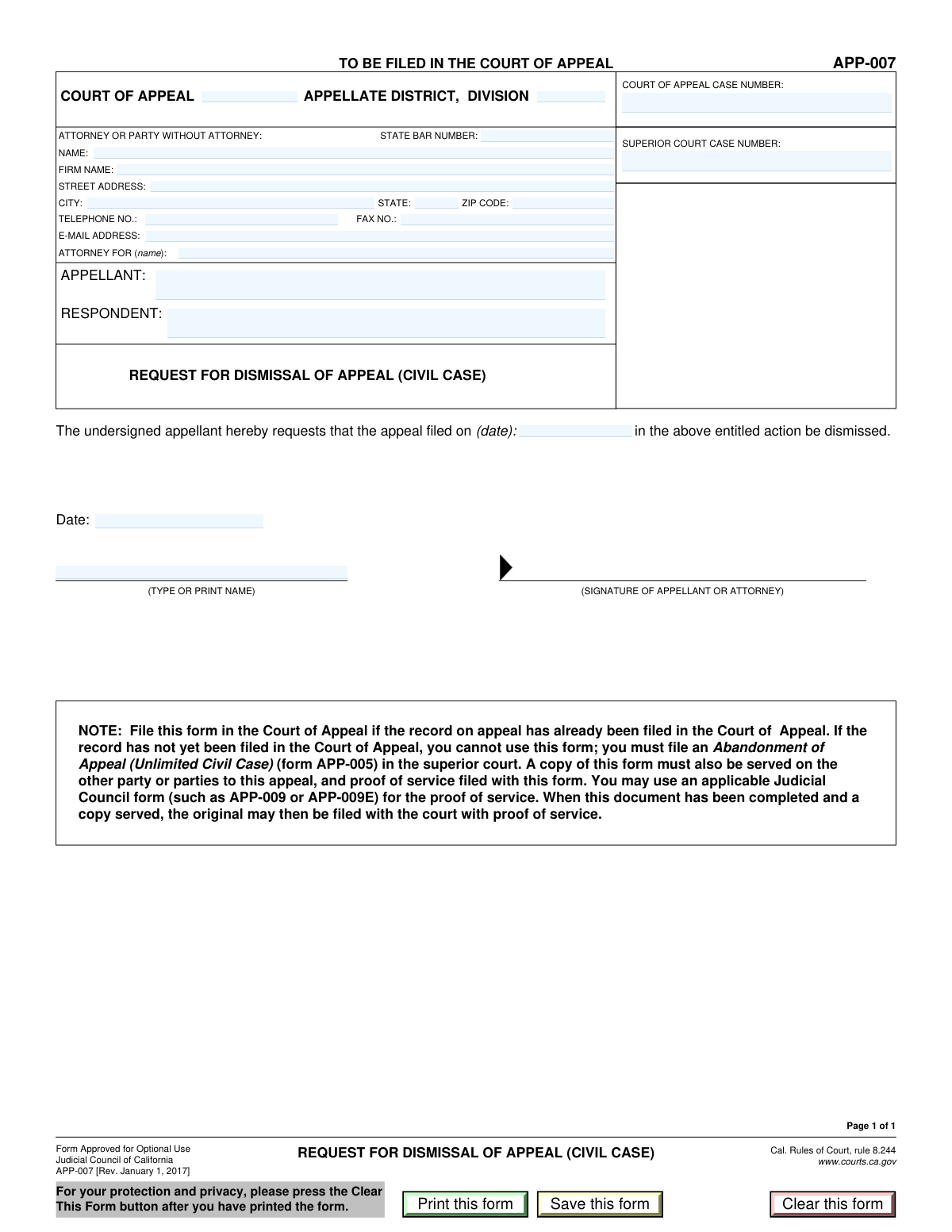
About civil appeal forms
Litigants typically encounter these forms after a final judgment has been entered in a civil matter, such as a contract dispute or a property disagreement. For instance, a Designation of Record on Appeal is a common requirement used to specify which transcripts, exhibits, and pleadings should be transferred to the higher court for review. Whether you are representing yourself or working with legal counsel, completing these forms correctly is a necessary step in the judicial process to ensure your arguments are heard and the record is complete.
Navigating the complexities of appellate paperwork can be overwhelming, especially when court deadlines are tight. Tools like Instafill.ai use AI to fill these civil appeal forms in under 30 seconds, handling your data accurately and securely to help streamline the filing process and save valuable time.
Every form on this page can be completed without typing. Instafill is form filling software that reads a PDF and fills it for you — including flat and scanned documents that carry no fillable fields at all.
Forms in This Category
The forms in this category have a median Form Complexity Index of 54/100 (Moderate), measured across 14 forms by field count, input difficulty, length, conditional logic and structure. See how it is calculated.
- Enterprise-grade security & data encryption
- 99%+ accuracy powered by AI
- 1,000+ forms from all industries
- Complete forms in under 60 seconds
How to Choose the Right Form
Navigating the Civil Appeal Process
If you are appealing a decision from the Maricopa County Justice Courts, the paperwork can be daunting. While the category for civil appeal forms currently focuses on a specific step in the process, it is a critical one for ensuring your case is heard fairly by the Superior Court. Understanding when and why to use this specific document is key to a successful filing.
Defining Your Case Record
The primary document available here is the Designation of Record on Appeal (Civil) (Maricopa County Justice Courts, Arizona) (Form APP 8150-702). You should choose this form if you have already filed your Notice of Appeal and now need to specify exactly which documents the appellate court should review. Without this form, the higher court may not receive the specific evidence or transcripts necessary to understand your side of the story.
This form is essential for:
- Identifying Evidence: Use it to list specific exhibits, motions, or orders that were part of your original trial.
- Requesting Transcripts: If oral testimony is vital to your appeal, this form helps you designate those transcripts for inclusion in the record.
- Legal Compliance: Ensuring the Clerk of the Court knows exactly what to transmit to the higher court to avoid missing critical information that could affect the outcome.
Is This the Right Form for You?
You should select the Designation of Record on Appeal (Civil) (Form APP 8150-702) if:
1. Your original case was heard in a Maricopa County Justice Court (not a Superior Court or a different county).
2. You are the "Appellant" (the person appealing) or the "Appellee" (the person responding) and want to ensure certain records are included.
3. You have already initiated the appeal and are within the statutory timeframe to designate the record.
Using Instafill.ai to complete this form allows you to focus on the legal details of your case rather than struggling with PDF formatting. By accurately listing your pleadings and exhibits, you ensure that the reviewing judge has everything they need to evaluate your claims.
Form Comparison
| Form | Purpose | Who Files It | Key Requirements |
|---|---|---|---|
| Designation of Record on Appeal (Civil) (Maricopa County Justice Courts, Arizona) (Form APP 8150-702) | Identifies specific pleadings, transcripts, and exhibits required for the appellate court's review. | The appellant or their legal representative initiating a civil appeal. | Must specify documents to include and provide proof of service to other parties. |
Tips for civil appeal forms
Errors in the case number or court designation can cause significant delays or lead to a dismissal of the appeal. Double-check that the appellant and appellee names match the original trial court records exactly to maintain consistency throughout the appellate process.
Only include the specific pleadings, exhibits, and orders necessary for the appellate court to review your legal arguments. Including unnecessary documents can clutter the record and potentially increase the costs associated with transcript preparation or court filing fees.
Civil appeals operate on rigid timelines, and the Designation of Record is often one of the first documents required after filing the Notice of Appeal. Missing this deadline can result in the loss of your right to present certain evidence or even the dismissal of the entire appeal.
Use the certificate of delivery section to document that you have sent copies of the designation to all other parties involved in the case. Failing to provide notice to opposing counsel can lead to motions to strike your filing and delay the appellate process.
If your appeal relies on oral testimony, you must specifically designate the transcripts and ensure the court reporter is notified. Failing to arrange for transcript payment or delivery early can prevent the record from being transmitted to the higher court on time.
AI-powered tools like Instafill.ai can complete these complex forms in under 30 seconds with high accuracy, ensuring all required fields are addressed. Your data stays secure during the process, making it a highly efficient way to manage repetitive legal paperwork without manual data entry errors.
Always keep a stamped or electronic copy of your submitted Designation of Record for your own files. This helps you track exactly what evidence the appellate court is reviewing and allows you to quickly resolve any disputes regarding the contents of the record.
Frequently Asked Questions
Civil appeal forms are used by a party who has lost a case in a lower court and wishes to have a higher court review the decision. These documents initiate the appellate process and help organize the evidence and legal arguments that the higher court will examine.
The party initiating the appeal, known as the appellant, is typically responsible for filing this form. It is used to notify the court and the opposing party which specific pleadings, transcripts, and exhibits from the original trial should be included in the record for the appellate judges to review.
You should identify the necessary forms immediately after a final judgment is entered in your case. Appellate deadlines are usually very strict and missing a filing window can result in the permanent loss of your right to appeal.
Completed forms are generally submitted to the clerk of the court where the original trial took place, such as the Maricopa County Justice Courts for Arizona-specific forms. The clerk then ensures the record is prepared and transmitted to the appropriate appellate division.
Yes, you can use AI tools like Instafill.ai to complete civil appeal forms efficiently. These tools can accurately extract data from your source documents and place it into the correct fields in under 30 seconds, ensuring the information matches your existing legal records.
Filling out these forms manually can take significant time due to the need for precise case numbers and document dates, but online AI services reduce this time significantly. Using Instafill.ai, most users can generate a completed, ready-to-file PDF in less than a minute.
The appellate court does not conduct a new trial; it only reviews the record from the original proceedings. If a crucial piece of evidence or a specific transcript is not designated, the appellate judges cannot consider it when making their decision, which could negatively impact the outcome.
While individuals are permitted to represent themselves and fill out these forms 'pro se,' civil appeals are legally complex. Using standardized forms helps ensure you follow court rules, but consulting with a legal professional is often recommended to ensure your legal arguments are properly preserved.
If you omit a document, you may need to file a motion to supplement the record later, which can cause delays and may require court approval. It is best to be thorough when first completing your designation forms to avoid these complications.
Yes, filing an appeal typically involves a filing fee, and there may be separate costs for the court reporter to prepare transcripts. You should check the current fee schedule of the specific court jurisdiction where you are filing, as these costs vary.
Most civil appeal forms include a Certificate of Service or Certificate of Delivery section. You must complete this section to certify that you have provided copies of the documents to all other parties involved in the case, usually via mail or electronic service as required by local rules.
Glossary
- Form Complexity Index
- Instafill’s 0–100 measure of how much effort a form takes to complete, calculated deterministically from the form’s own structure rather than estimated. It combines the number of fillable fields (the largest factor), how difficult those fields are to complete based on their type, the number of pages that contain fields, the amount of conditional “fill-only-if” logic, and how many sections the form is divided into, then adds modifiers for tables and repeating lists, bundled instruction pages, and dense page layouts. A higher score means the form is harder to fill out by hand. The forms in this category have a median Form Complexity Index of 54/100 (Moderate). See exactly how it is calculated.
- Appellant
- The party who disagrees with a lower court's decision and files an appeal to have a higher court review the case.
- Appellee
- The party who won the case in the lower court and is responding to the appeal filed by the appellant.
- Designation of Record
- A formal list identifying the specific documents, evidence, and transcripts from the original trial that must be sent to the appellate court for review.
- Transcript
- A written, word-for-word record of court proceedings, typically prepared from an audio recording or by a court reporter.
- Certificate of Service
- A signed statement on a court form confirming that you have delivered a copy of the document to all other parties involved in the case.
- Pleadings
- The formal written documents filed at the start of a case, such as the complaint and the answer, which outline the parties' claims and defenses.
- Justice Court
- In Arizona, a court that handles civil lawsuits involving limited dollar amounts; decisions from this court are appealed to the Superior Court.
- Appellate Court
- A higher court that reviews the record of a trial court to determine if legal errors were made that affected the outcome of the case.