Fill out HART forms
with AI.
HART forms are essential legal and financial documents primarily associated with The Hartford’s insurance and retirement services. This category encompasses a range of paperwork used to manage life insurance claims, pension distributions, and beneficiary designations. These forms are critical because they serve as the official record for distributing assets and verifying legal identities. For instance, documents like the Preference Beneficiary Affidavit are used to establish a clear line of succession for benefit proceeds, ensuring that funds are allocated correctly according to the policyholder's wishes and applicable laws. Accuracy in these forms is vital, as errors can lead to significant delays in payment or legal complications regarding estate settlements.
By continuing, you acknowledge Instafill's Privacy Policy and agree to get occasional product update and promotional emails.
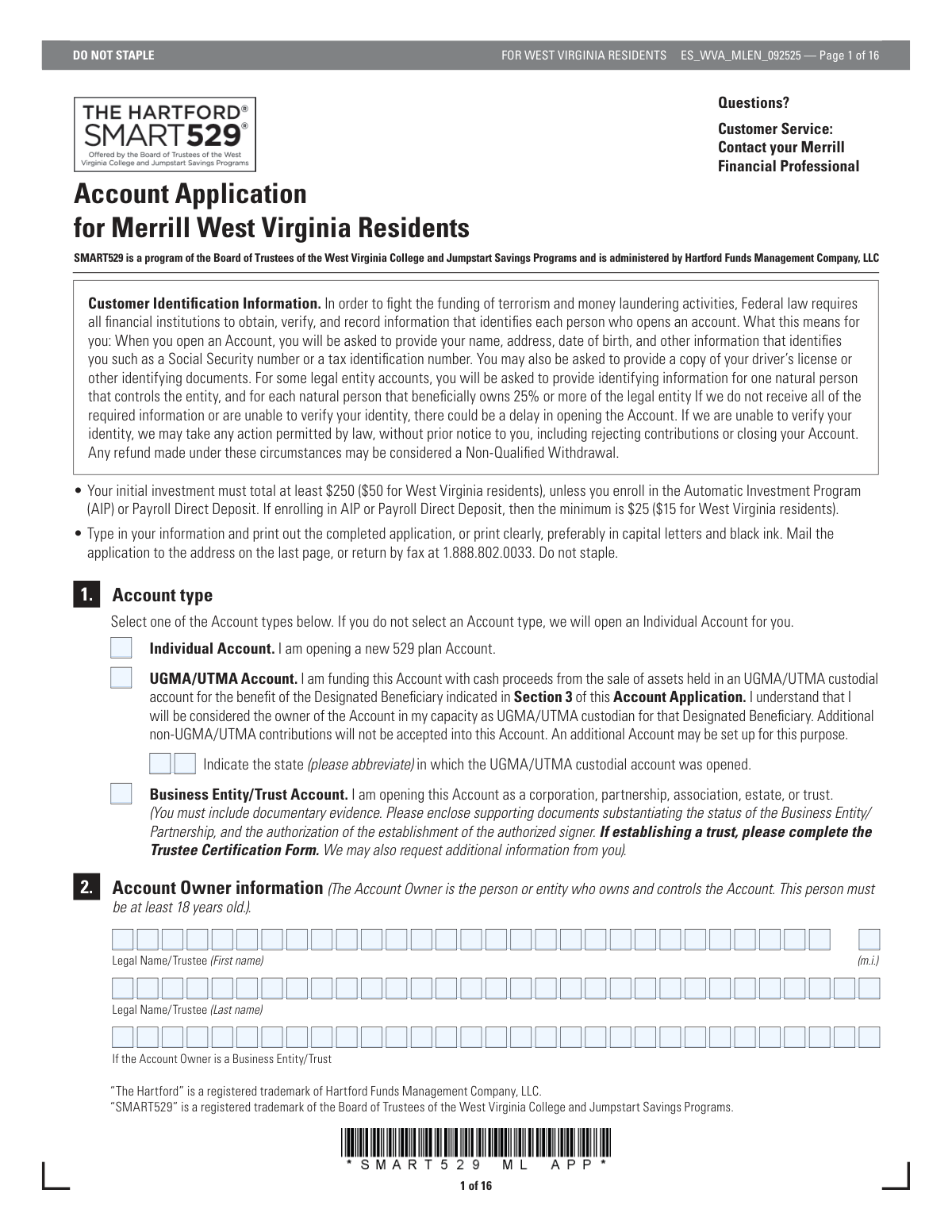
About HART forms
Typically, these forms are required by individuals navigating major life transitions, such as beneficiaries filing a claim after the loss of a loved one or retirees organizing their pension payouts. Executors and estate representatives also frequently use these documents to provide sworn statements regarding next of kin or to certify the status of an estate. Because many of these forms involve sworn affidavits and fraud warnings, they require careful attention to detail and a clear understanding of the information being provided. Completing them correctly the first time is often the key to a smooth administrative process during what is frequently a stressful period for the family involved.
Managing complex paperwork can be a daunting task, especially when legal accuracy is required. Tools like Instafill.ai use AI to fill these HART forms in under 30 seconds, handling the data accurately and securely to streamline the submission process and save you valuable time.
Every form on this page can be completed without typing. Instafill is form filling software that reads a PDF and fills it for you — including flat and scanned documents that carry no fillable fields at all.
Forms in This Category
The forms in this category have a median Form Complexity Index of 60/100 (Moderate), measured across 2 forms by field count, input difficulty, length, conditional logic and structure. See how it is calculated.
- Enterprise-grade security & data encryption
- 99%+ accuracy powered by AI
- 1,000+ forms from all industries
- Complete forms in under 60 seconds
How to Choose the Right Form
Navigating life insurance claims can be complex, especially during difficult times. When dealing with The Hartford (HART), choosing the correct documentation is the first step toward a successful claim process. While many users search for retirement or pension forms, the primary document required for settling life insurance claims without a clear beneficiary is the Preference Beneficiary Affidavit.
Determining if You Need Form LC-7086-17
The primary document in this category is the Affidavit and Representations Regarding Next of Kin (Preference Beneficiary Affidavit) (The Hartford) – Form LC-7086-17. You should select this form if the following conditions apply:
- Missing or Deceased Beneficiary: Use this form if the deceased individual did not name a specific person to receive the life insurance proceeds, or if the named beneficiary passed away before the insured.
- Establishing Legal Hierarchy: This form is necessary to formally declare the surviving spouse, children, parents, or siblings. It helps The Hartford determine who is legally entitled to the benefits based on the policy's "preference beneficiary" clause.
- Estate Representation: If you are acting on behalf of the estate or the immediate family, you must provide this sworn statement to identify the rightful heirs in the correct order of preference.
Critical Requirements for Completion
Before you begin filling out Form LC-7086-17, keep these requirements in mind to ensure your claim is not rejected:
- Notarization is Mandatory: Because this is a sworn affidavit, you must sign it in the presence of a Notary Public to validate the statement.
- Accuracy and Liability: The affiant certifies the information under penalty of perjury. Incorrect or incomplete information can lead to significant delays, the legal requirement to reimburse paid proceeds, or even civil and criminal penalties for fraud.
- State-Specific Compliance: The form includes specific fraud warnings for various states. Ensure you review the sections relevant to your jurisdiction to remain compliant with local insurance laws.
By accurately completing the Preference Beneficiary Affidavit, you provide the legal assurance The Hartford needs to distribute proceeds to the surviving next of kin efficiently.
Form Comparison
| Form | Primary Purpose | Who Files It | Key Requirement |
|---|---|---|---|
| Affidavit and Representations Regarding Next of Kin (Preference Beneficiary Affidavit) (The Hartford) – Form LC-7086-17 | Identifies surviving next of kin to determine life insurance benefit distribution. | Surviving spouse, children, parents, or legal representative of the deceased. | Must be signed under oath and notarized to validate the information provided. |
Tips for HART forms
When identifying next of kin, ensure you list relatives in the exact order requested, such as spouse, then children, then parents. Skipping levels or providing incorrect contact details can lead to significant delays in claim processing or legal disputes over benefit proceeds.
Since these are sworn affidavits, they typically require a signature in the presence of a notary public to be legally binding. Do not sign the document until you are with the notary, and ensure your government-issued ID is current to avoid a rejected filing.
Many HART forms include several pages of state-specific legal warnings regarding insurance fraud. Carefully review the disclosures for your specific state of residence, as these outline the civil and criminal penalties for providing false information on an affidavit.
Before starting the form, collect the full legal names, current addresses, and relationship details for all surviving next of kin. Incomplete data is one of the most common reasons life insurance claims are pended for further investigation by the insurer.
AI-powered tools like Instafill.ai can complete these forms in under 30 seconds with high accuracy, ensuring no fields are missed. Your data stays secure during the process, providing a reliable way to manage complex paperwork during a difficult time.
Always save a completed copy of the affidavit and any supporting documentation, such as the death certificate, before submission. Having a digital or physical copy ensures you can quickly respond if the insurance provider requests clarification or additional proof.
Frequently Asked Questions
HART forms generally refer to documents used by The Hartford for managing insurance claims, retirement accounts, and pension benefits. These forms are essential during the claims process, especially when determining the rightful beneficiaries of a policy or account after a policyholder has passed away.
This form is typically completed by a surviving family member, such as a spouse, child, or parent, when a primary beneficiary has not been named or is no longer living. It serves as a legal statement to identify the next of kin according to a specific order of preference defined by the policy.
Notarization acts as a fraud prevention measure by verifying the identity of the person signing the document. Since these forms often involve the distribution of significant financial assets, a notary public must witness the signature to ensure the information provided is a sworn statement under penalty of perjury.
You will generally need the deceased person's policy or account number, their full legal name, and social security number. Additionally, you should have the contact information and legal names of all surviving next of kin to ensure the affidavit is complete and accurate.
Yes, you can use AI tools like Instafill.ai to complete HART forms efficiently. These tools can extract data from your existing source documents and accurately place it into the correct fields on the PDF, reducing the risk of manual entry errors.
Using traditional methods, filling out complex affidavits can take 15 to 30 minutes, but AI-powered platforms can complete them in under 30 seconds. This allows users to quickly generate a professional, ready-to-print document for notarization and submission.
The order of preference is a hierarchy used to determine who receives benefits when no beneficiary is named. Typically, this starts with a surviving spouse, followed by children, then parents, and finally the estate representative, ensuring the funds are distributed according to the policy's terms.
Providing false or incomplete information can lead to significant delays in the processing of a claim or the distribution of pension funds. In some cases, the signer may be required to reimburse any proceeds paid out in error and could face legal penalties for fraud or perjury.
Completed and notarized forms should usually be sent directly to The Hartford’s claims or retirement department as specified in your claim instructions. Many departments allow for submission via secure online portals, fax, or standard mail, depending on the specific requirements of the policy.
Yes, many HART forms include specific fraud warnings required by individual states. These disclosures outline the legal ramifications of insurance fraud and are included to ensure that claimants understand the seriousness of providing truthful information under their state's jurisdiction.
While many HART forms are designed for life insurance claims, similar affidavits are often required for pension and retirement account distributions. These documents help the financial institution verify the legal recipients of any remaining funds in an account after the owner's death.
Glossary
- Form Complexity Index
- Instafill’s 0–100 measure of how much effort a form takes to complete, calculated deterministically from the form’s own structure rather than estimated. It combines the number of fillable fields (the largest factor), how difficult those fields are to complete based on their type, the number of pages that contain fields, the amount of conditional “fill-only-if” logic, and how many sections the form is divided into, then adds modifiers for tables and repeating lists, bundled instruction pages, and dense page layouts. A higher score means the form is harder to fill out by hand. The forms in this category have a median Form Complexity Index of 60/100 (Moderate). See exactly how it is calculated.
- Next of Kin
- The closest living blood relatives of a deceased person, typically categorized in a specific order such as spouse, children, and then parents.
- Preference Beneficiary
- A person entitled to receive insurance benefits based on a pre-defined order of priority established in the policy when no specific beneficiary was named by the deceased.
- Affiant
- The individual who is completing the form and swearing to the truth of the information provided under oath.
- Benefit Proceeds
- The funds or insurance payout amount that The Hartford distributes to the eligible parties following a valid claim.
- Notarization
- The official process where a Notary Public verifies a person's identity and witnesses their signature to ensure the document is authentic and legally binding.
- Perjury
- The criminal offense of intentionally providing false information or lying after taking an official oath to tell the truth.
- Estate Representative
- A person legally authorized, such as an executor or administrator, to manage the assets and legal affairs of someone who has died.
- Fraud Warning
- State-specific legal notices included on insurance forms that outline the civil and criminal penalties for providing deceptive or false information.