Fill out medical school forms
with AI.
Medical school forms encompass a broad range of documentation required for both the academic admissions process and the ongoing health management of students within educational environments. These documents are critical because they ensure that institutions have accurate records of a student's qualifications, clinical prerequisites, and specific health needs. Whether it is a formal admission application for a specialized program or a treatment order for a student requiring medical support during school hours, these forms serve as the official bridge between healthcare providers, educational administrators, and families.
By continuing, you acknowledge Instafill's Privacy Policy and agree to get occasional product update and promotional emails.
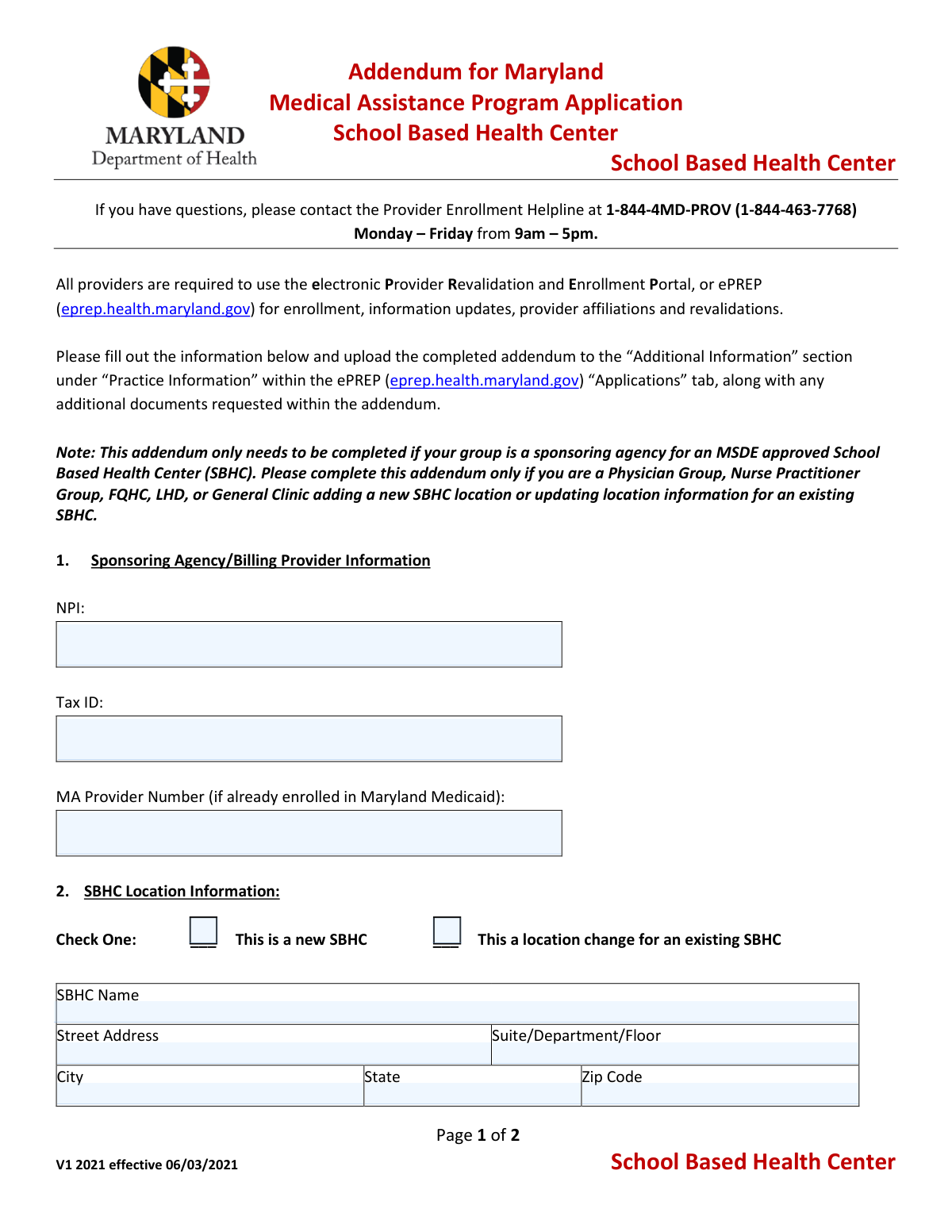
About medical school forms
This category is primarily utilized by prospective students applying to specialized medical programs, such as diagnostic imaging, as well as parents and healthcare providers managing a student's care plan. For instance, forms like the Medically Prescribed Treatment (Non-Medication) packet are essential for documenting procedures that must be performed during school hours to ensure student safety and compliance with health regulations. Similarly, admissions applications require detailed educational and professional histories to evaluate a candidate's readiness for rigorous clinical training. Timely and accurate completion is vital, as missing information can delay enrollment or the delivery of necessary health services.
Navigating these complex documents can be time-consuming, but tools like Instafill.ai use AI to complete these forms in under 30 seconds while maintaining high standards for data accuracy and security. This allows students and healthcare professionals to focus on clinical care and academic preparation rather than manual data entry.
Every form on this page can be completed without typing. Instafill is form filling software that reads a PDF and fills it for you — including flat and scanned documents that carry no fillable fields at all.
Forms in This Category
The forms in this category have a median Form Complexity Index of 69/100 (Complex), measured across 3 forms by field count, input difficulty, length, conditional logic and structure. See how it is calculated.
- Enterprise-grade security & data encryption
- 99%+ accuracy powered by AI
- 1,000+ forms from all industries
- Complete forms in under 60 seconds
How to Choose the Right Form
Navigating medical school documentation can be confusing, as the category often applies to both professional medical education and health services provided within a school environment. To find the right document, determine whether you are applying for a program or managing a student's health care needs.
Applying for Medical Education Programs
If your goal is to enroll in a specialized medical training program, you should use the Admissions Application, School of Diagnostic Imaging, Mills-Peninsula Medical Center. This document is specifically for prospective students seeking entry into the field of diagnostic imaging. It requires comprehensive details regarding:
- Academic Prerequisites: Listing completed coursework required for program eligibility.
- Professional History: Documenting previous work experience and clinical exposure.
- Personal Data: Providing identifying information and contact details for the admissions committee.
Managing Student Health and Treatment
If you are a healthcare provider or a parent of a student who requires medical intervention during school hours, the Medically Prescribed Treatment (Non-Medication) Form — Provider Treatment Order Form | Office of School Health | School Year 2025–2026 is the correct choice. This form is a critical part of the OSH consent packet and is used to:
- Outline Clinical Orders: Specify non-medication procedures, contraindications, and emergency protocols. Licensed practitioners must complete the clinical details to ensure student safety.
- Secure Legal Consent: Allow the school to implement treatment plans during the school day, on trips, or during after-school programs.
- Ensure Compliance: Meet the requirements for the 2025–2026 school year. These orders typically expire annually, so timely submission is essential to avoid delays in services.
By identifying your specific role—either as an applicant or a care coordinator—you can quickly select the form that meets your immediate administrative or clinical needs.
Form Comparison
| Form | Purpose | Target Audience | Key Requirements |
|---|---|---|---|
| Medically Prescribed Treatment (Non-Medication) Form — Provider Treatment Order Form | Office of School Health | School Year 2025–2026 | Authorizes non-medication medical procedures for students to be performed during school hours. | Parents and licensed health care practitioners for students with specific medical needs. | Detailed clinical orders, practitioner signature, and parent/guardian consent for treatment. |
| Admissions Application, School of Diagnostic Imaging, Mills-Peninsula Medical Center | Official application for enrollment into the diagnostic imaging professional education program. | Prospective students applying for admission to the School of Diagnostic Imaging. | Personal data, academic history, work experience, and prerequisite course documentation. |
Tips for medical school forms
When filling out treatment order forms, double-check that the healthcare provider has specified exact parameters, contraindications, and emergency instructions. Incomplete clinical details are the most common reason for delays in a student receiving necessary medical services at school.
For medical imaging or clinical program applications, have your educational history and prerequisite course grades ready to reference. Accurate reporting of your GPA and course dates ensures your application moves quickly through the admissions review process.
Medical school health forms often require signatures from both a licensed practitioner and a guardian. Ensure the parent/guardian section is completed immediately after the doctor provides the clinical orders to prevent the form from being rejected due to missing signatures.
When applying to specialized medical schools, provide specific dates and descriptions for your clinical work history. Highlighting relevant experience in diagnostic or patient-care settings can significantly strengthen your application profile and demonstrate your readiness for the program.
AI-powered tools like Instafill.ai can complete these complex medical and admission forms in under 30 seconds with high accuracy. Your sensitive data stays secure during the process, making it a reliable way to handle multiple documents during the busy school enrollment season.
Most school-based medical treatment plans are only valid for a single academic year. Check that the start and end dates on the form align with the upcoming school calendar to ensure uninterrupted care for the student throughout the term.
Keep a digital copy of all submitted medical and admission forms for your personal records. Having these on hand makes it much easier to provide updates if the school requests more information or if you need to re-file similar documents in the future.
Frequently Asked Questions
This category includes a variety of documents used for both student health management and educational program enrollment. Common forms include medical treatment orders for students requiring clinical procedures during the school day and admissions applications for specialized medical training programs like diagnostic imaging.
These documents generally require input from multiple parties. A licensed healthcare practitioner must complete the clinical instructions and orders, while a parent or guardian must provide consent and administrative details to ensure the school can safely implement the treatment plan.
Yes, AI tools like Instafill.ai can fill these forms in under 30 seconds by accurately extracting and placing data from your source documents into the relevant fields. This technology is also capable of converting non-fillable PDF versions of these forms into interactive, digital documents.
Applicants are usually required to provide detailed personal data, a comprehensive educational history, and specific information regarding prerequisite courses. Many forms also ask for professional work history or volunteer experience to evaluate the candidate's suitability for a medical career.
While manual completion can be time-consuming due to the level of detail required, using an AI-powered service like Instafill.ai allows you to complete these forms in under 30 seconds. The AI ensures that complex clinical or academic data is accurately transferred without the need for manual data entry.
Most school health orders are valid only for the current school year and expire during the summer. Annual updates are necessary to ensure that the medical instructions on file are current, reflecting any changes in the student's health status or treatment requirements.
Incomplete forms often lead to administrative delays. For school health services, this could mean a delay in the student receiving necessary procedures; for admissions applications, an incomplete form may result in the application being rejected or excluded from the current review cycle.
Yes, schools typically use distinct forms for different types of care. Non-medication forms are used for clinical procedures like catheterization or suctioning, while separate medication administration forms are required for daily or emergency prescriptions.
Submission locations depend on the form's purpose. Health-related treatment orders should be submitted to the school nurse or the Office of School Health, while admissions applications should be directed to the specific medical center or educational registrar's office.
Most medical and admissions forms require valid signatures from the applicant, parent, or healthcare provider. While many institutions now accept digital signatures, it is important to verify the specific requirements of the receiving school or health office.
Glossary
- Form Complexity Index
- Instafill’s 0–100 measure of how much effort a form takes to complete, calculated deterministically from the form’s own structure rather than estimated. It combines the number of fillable fields (the largest factor), how difficult those fields are to complete based on their type, the number of pages that contain fields, the amount of conditional “fill-only-if” logic, and how many sections the form is divided into, then adds modifiers for tables and repeating lists, bundled instruction pages, and dense page layouts. A higher score means the form is harder to fill out by hand. The forms in this category have a median Form Complexity Index of 69/100 (Complex). See exactly how it is calculated.
- Practitioner
- A licensed health care professional, such as a doctor, nurse practitioner, or physician assistant, who is legally authorized to diagnose patients and prescribe medical treatments.
- Prerequisites
- Specific courses or academic requirements that an applicant must successfully complete before they are eligible to enroll in a medical or diagnostic imaging program.
- Clinical Order
- A formal set of instructions written by a healthcare provider that details the specific medical procedures or treatments a student must receive while at school.
- Contraindications
- Specific medical reasons or conditions that make a particular treatment or procedure inadvisable or potentially harmful for the student.
- Diagnostic Imaging
- A field of medicine focused on using technologies like X-rays, ultrasounds, and MRIs to create visual representations of the inside of the body for clinical analysis.
- Office of School Health (OSH)
- A joint program between the Department of Education and the Department of Health that manages the medical services and health requirements for students within a school system.
- Parameters
- The specific limits or conditions defined by a doctor, such as the exact frequency, duration, or physical measurement thresholds for a medical treatment.