Fill out health services forms
with AI.
Health services forms are essential for coordinating medical care, verifying provider credentials, and managing insurance authorizations. They ensure that patients receive the correct level of care and that healthcare providers are properly reimbursed. Whether it's documenting behavioral health specialties or requesting prior authorization for a medical procedure, these documents serve as the legal and clinical backbone of the healthcare system. Accuracy in these forms is critical, as errors can lead to delays in treatment, denied insurance claims, or gaps in patient support services.
By continuing, you acknowledge Instafill's Privacy Policy and agree to get occasional product update and promotional emails.
About health services forms
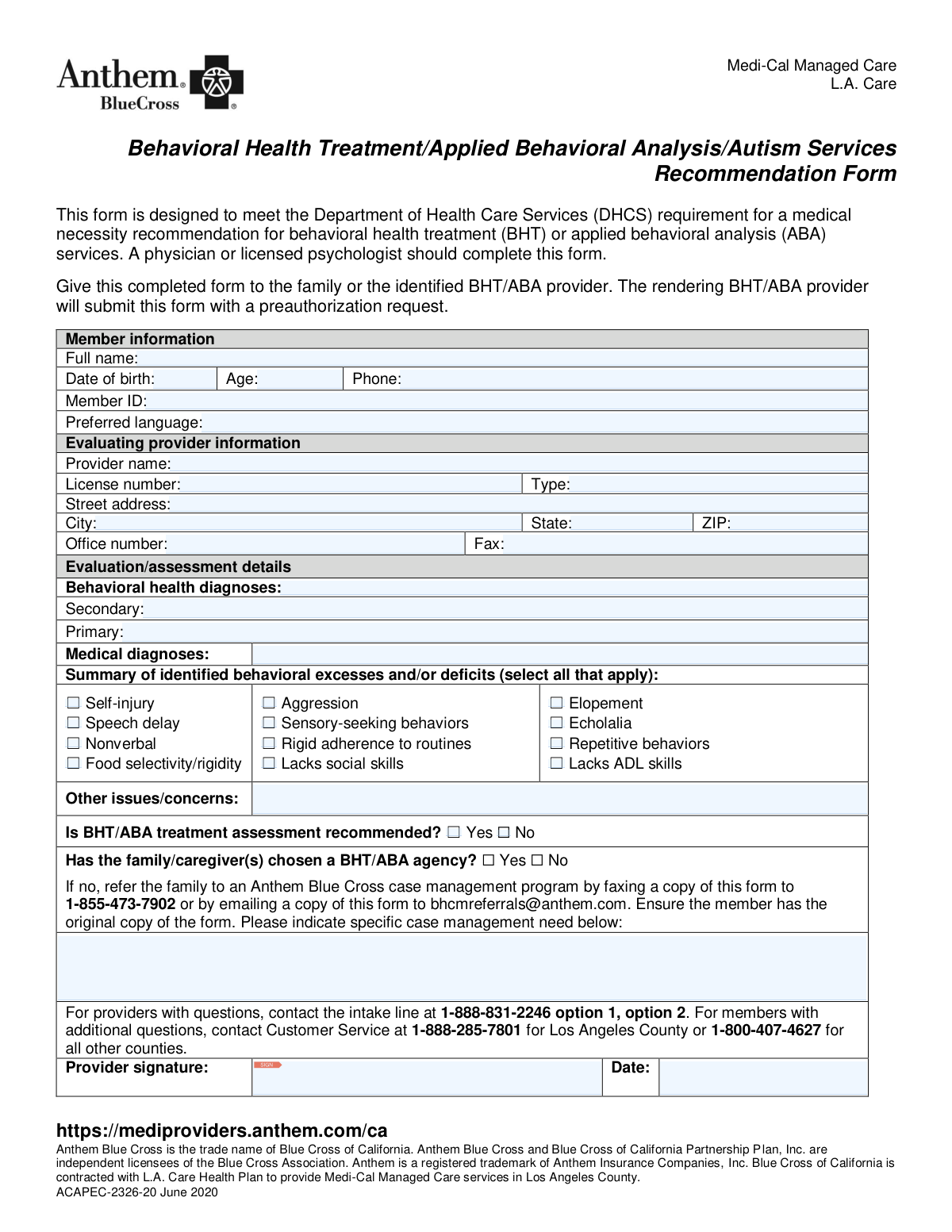
This category includes a diverse range of documents used by medical practitioners, social workers, and administrative staff across various healthcare sectors. For example, behavioral health professionals use specialized questionnaires to detail their clinical expertise, while foster care applicants in states like California must complete health screenings to ensure they are physically capable of providing care. Similarly, providers in Texas and Oregon rely on standardized forms to request prior authorizations from insurance plans or state health programs. These forms are typically required during the onboarding of new patients, the credentialing of providers, or when seeking approval for specific treatments and residential services.
Managing this volume of paperwork manually is often time-consuming and prone to clerical mistakes. Tools like Instafill.ai use AI to fill these forms in under 30 seconds, handling complex medical and administrative data accurately and securely. By automating the data entry process, healthcare professionals and applicants can focus more on patient care and less on administrative hurdles, ensuring that vital documentation is submitted correctly the first time.
Every form on this page can be completed without typing. Instafill is form filling software that reads a PDF and fills it for you — including flat and scanned documents that carry no fillable fields at all.
Forms in This Category
The forms in this category have a median Form Complexity Index of 53/100 (Moderate), measured across 10 forms by field count, input difficulty, length, conditional logic and structure. See how it is calculated.
- Enterprise-grade security & data encryption
- 99%+ accuracy powered by AI
- 1,000+ forms from all industries
- Complete forms in under 60 seconds
How to Choose the Right Form
Navigating health service documentation depends on whether you are a healthcare provider seeking authorization, a practitioner updating your directory profile, or an individual applying for caregiver status. Use the following groupings to find the correct form for your specific regional or clinical need.
Behavioral Health and Provider Enrollment
If you are a behavioral health professional or facility, select your form based on your administrative objective:
- For Directory and Referral Updates (Geisinger Network): Use the Geisinger Health Plan Behavioral Health Professional Services Questionnaire to document your specialties, languages, and treatments. This ensures Geisinger members can find your practice based on their specific clinical needs.
- For Residential/Personal Care Authorization (Oregon): If you are a provider in Oregon requesting approval for 1915(i) behavioral health services, use Form CH-006: PA-BH-Res-PCS. This is required for initial authorizations, 90-day reauthorizations, or annual redeterminations for residential care.
Caregiver and Social Service Requirements
If you are a prospective foster parent or kinship caregiver in California, you must complete the California Department of Social Services Form RFA 07 (Resource Family Approval Health Questionnaire). This mandatory form documents your medical history and current health status to help agencies assess your suitability for caregiving responsibilities.
Medical Prior Authorizations
For healthcare providers operating in Texas, the Texas Standard Prior Authorization Request Form for Health Care Services is the essential document for requesting pre-approval for medical procedures. This standardized form is used across various health benefit plans, including Medicaid, CHIP, and commercial insurance, to verify medical necessity before services are rendered.
Using Instafill.ai, you can quickly complete these PDFs by leveraging AI to fill out required fields accurately, ensuring your submissions are processed without delays.
Form Comparison
| Form | Purpose | Primary User | Key Information Collected | Region or Scope |
|---|---|---|---|---|
| Geisinger Health Plan Behavioral Health Professional Services Questionnaire | Documents provider specialties and clinical services for member referral directories. | Behavioral health practitioners and medical providers in the network. | Practitioner demographics, therapies offered, and specific clinical conditions treated. | Geisinger Health Plan network. |
| Form CH-006: PA-BH-Res-PCS, Oregon Behavioral Health Support Program Plan of Care Authorization (Plan of Care Request for Behavioral Health Residential or Personal Care Services) | Requests authorization or reauthorization for residential behavioral health services. | Oregon behavioral health providers and Community Mental Health Programs. | Member details, procedure codes, and requested service dates or units. | Oregon Behavioral Health Support Program. |
| California Department of Social Services Form RFA 07 (2/18), Resource Family Approval (RFA) Health Questionnaire (Mandatory) | Assesses physical health suitability of potential resource family caregivers. | Applicants seeking approval to become a resource family or caregiver. | Medical history, medications, tobacco/alcohol use, and health provider information. | California Department of Social Services. |
Tips for health services forms
When completing health questionnaires or provider profiles, double-check all dates of service, medication lists, and specialty certifications. Inaccurate information can lead to claim denials, referral delays, or complications in the licensing process for resource families.
Many health service forms, such as prior authorizations or plan-of-care requests, require supplementary clinical notes or assessments to justify medical necessity. Failing to include these attachments is a leading cause of administrative delays and service rejections.
Always cross-reference National Provider Identifier (NPI) numbers and tax IDs before submission. Even a single digit error in provider demographics can prevent the form from being processed by insurance carriers or state health departments.
Utilize the most current CPT and ICD-10 codes to describe services and conditions accurately. Standardized coding ensures that your request aligns with the health plan's coverage criteria and reduces the need for manual clarification from reviewers.
AI-powered tools like Instafill.ai can complete these forms in under 30 seconds with high accuracy, which is a real time-saver for healthcare professionals dealing with high volumes of paperwork. Your data stays secure during the process, ensuring HIPAA-compliant workflows remain efficient.
Keep a detailed record of when each health form was submitted and the expected response timeframe. Since many services require reauthorization every 90 days or annually, tracking these dates prevents gaps in patient care and ensures timely redeterminations.
Health forms often require both the provider’s and the patient’s or guardian’s signature to be valid. Ensure that all authorization-to-release-information sections are signed and dated to avoid the form being returned for incomplete consent.
Frequently Asked Questions
Health services forms are essential documents used by providers, patients, and caregivers to facilitate medical care, insurance coverage, and social services. They help document medical history, request authorization for specific treatments, or update provider directories to ensure patients find the right care.
These forms are used by a wide range of individuals, including healthcare practitioners updating their clinical specialties, families applying for foster care approval, and medical staff requesting insurance pre-approval. Depending on the specific form, the responsibility for completion may fall on the patient, the doctor, or a state-licensed agency.
You generally need a prior authorization form if your insurance plan requires a review of medical necessity before they will cover a specific procedure, medication, or service. For example, in Texas, providers use a standardized form to ensure all necessary clinical information is submitted to the insurer for a timely decision.
Yes, many health plans require behavioral health professionals to submit questionnaires to document their demographics, treatment specialties, and accepted age groups. This information is used to populate provider directories, making it easier for members to find mental health services that match their specific clinical needs.
In programs like California's Resource Family Approval, a health questionnaire is used to assess an applicant's physical and mental fitness for caregiving responsibilities. It covers medical history, medications, and lifestyle factors to ensure that the environment is safe and supportive for children in the foster care system.
A Plan of Care Authorization is typically required when a patient needs specialized residential or personal care services, such as those under Oregon's behavioral health programs. These requests are used for initial approvals, annual redeterminations, or when a patient's condition changes significantly.
Yes, you can fill out health services forms using AI tools like Instafill.ai. These tools can accurately extract data from your existing records and place it into the correct fields, reducing the risk of manual entry errors on complex medical documents.
Using AI-powered software, most health services forms can be completed in under 30 seconds. This technology automates the data entry process by pulling information from source documents, which is significantly faster than typing out medical histories or provider details manually.
Submission instructions vary depending on the form and the state agency or health plan involved. Generally, forms are submitted directly to the insurance carrier, the state Department of Human Services, or the specific health network overseeing the care or provider directory.
Most health service forms require supporting clinical documentation, such as physician notes, lab results, or treatment plans, to justify the request. For provider-specific forms, you may also need to provide copies of professional licenses or certifications.
Accuracy is critical because omissions or incorrect data can lead to claim denials, delays in treatment authorization, or the rejection of a caregiving application. Clear and precise information ensures that reviewers have everything they need to make an informed decision without requesting additional follow-up.
Many of these forms are designed to be versatile and may be used for commercial insurance, Medicaid, or CHIP programs. Standardized forms, like those used for prior authorizations, help streamline communication between healthcare providers and various types of health benefit plan issuers.
Glossary
- Form Complexity Index
- Instafill’s 0–100 measure of how much effort a form takes to complete, calculated deterministically from the form’s own structure rather than estimated. It combines the number of fillable fields (the largest factor), how difficult those fields are to complete based on their type, the number of pages that contain fields, the amount of conditional “fill-only-if” logic, and how many sections the form is divided into, then adds modifiers for tables and repeating lists, bundled instruction pages, and dense page layouts. A higher score means the form is harder to fill out by hand. The forms in this category have a median Form Complexity Index of 53/100 (Moderate). See exactly how it is calculated.
- Prior Authorization
- A requirement by a health insurance plan that a provider must obtain approval before certain medical services, treatments, or medications are provided for the service to be covered.
- Medical Necessity
- The clinical standard used by health plans to determine if a service or treatment is required for the diagnosis or treatment of a condition and meets accepted standards of medical practice.
- Behavioral Health
- An umbrella term that includes mental health services and substance use disorder treatments, focusing on the connection between behaviors and the health of the mind and body.
- MAT (Medication-Assisted Treatment)
- The use of FDA-approved medications, usually in combination with counseling and behavioral therapies, to treat substance use disorders such as opioid or alcohol addiction.
- Resource Family
- A term used in child welfare to describe individuals or families who provide foster, kinship, or adoptive care for children who cannot safely live with their primary parents.
- 1915(i) Services
- A specific Medicaid state plan option that allows states to provide various home and community-based services to individuals with specific needs, such as behavioral health conditions.
- PHP/IOP
- Levels of care for behavioral health; Partial Hospitalization Programs (PHP) provide several hours of daily treatment, while Intensive Outpatient Programs (IOP) offer slightly less frequent structured therapy.
- CHIP (Children’s Health Insurance Program)
- A state and federal partnership that provides low-cost health coverage to children in families that earn too much to qualify for Medicaid but cannot afford private insurance.