Fill out County court forms
with AI.
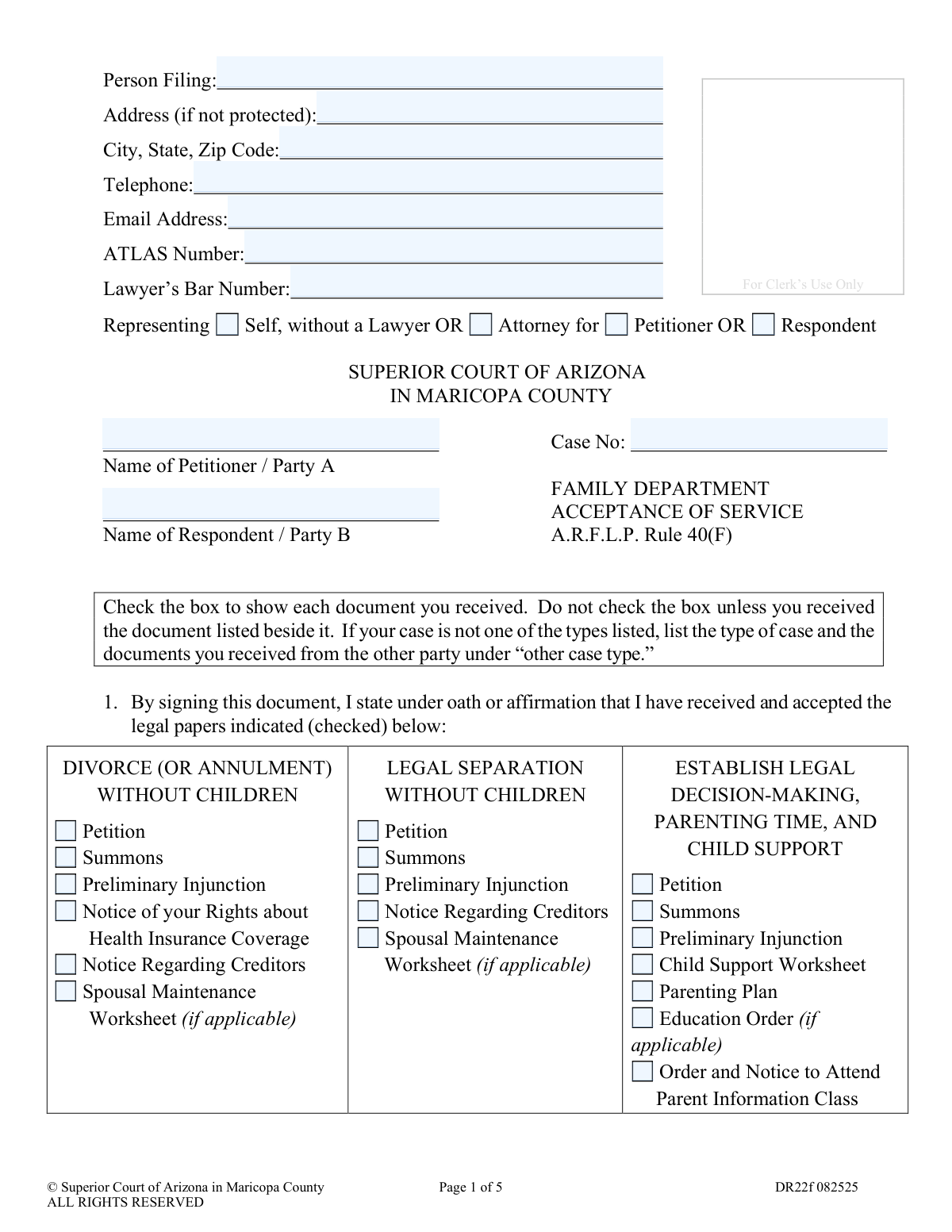
County court forms are the essential paperwork required to initiate or respond to legal proceedings at the local level. These documents serve as the official record for various civil matters, ranging from small claims and housing disputes to domestic relations and probate. Because county courts handle a high volume of cases that directly impact individuals' daily lives, completing these forms correctly is vital to ensuring that a case proceeds through the legal system without unnecessary procedural delays or dismissals.
By continuing, you acknowledge Instafill's Privacy Policy and agree to get occasional product update and promotional emails.
About County court forms
These forms are typically used by individuals representing themselves, legal professionals, and businesses navigating local jurisdictions. For instance, a petitioner might use a Petition for Leave to Proceed In Forma Pauperis to request a fee waiver due to financial hardship, while others may need a Designation of Record on Appeal to ensure the correct evidence is reviewed during a higher court's evaluation. In specific situations, documents like an Affidavit for Service by Publication are necessary when a defendant cannot be located through traditional means. Regardless of the specific legal issue, these documents require precise personal and financial data to satisfy strict statutory requirements.
Navigating the complexities of legal paperwork can be daunting, but digital tools have made the process significantly more efficient. Tools like Instafill.ai use AI to fill these county court forms in under 30 seconds, ensuring that data is handled accurately and securely while saving users from the tedious manual entry typically associated with court filings.
Every form on this page can be completed without typing. Instafill is form filling software that reads a PDF and fills it for you — including flat and scanned documents that carry no fillable fields at all.
Forms in This Category
The forms in this category have a median Form Complexity Index of 38/100 (Basic), measured across 39 forms by field count, input difficulty, length, conditional logic and structure. See how it is calculated.
- Enterprise-grade security & data encryption
- 99%+ accuracy powered by AI
- 1,000+ forms from all industries
- Complete forms in under 60 seconds
How to Choose the Right Form
County court procedures vary significantly by jurisdiction and the specific phase of your legal matter. Whether you are just starting a case, dealing with financial constraints, or moving into the appellate phase, selecting the correct document is essential for your case to proceed smoothly through the local court system.
Initiating Service and Notification
If you are involved in a civil case in the Circuit Court of Cook County, Illinois, and have been unable to serve the defendant through traditional personal means, you likely need the Affidavit for Service by Publication/Posting (CCG 0013 A/B). This form is used when a defendant cannot be found after a "diligent inquiry" or is intentionally concealing their whereabouts. Filing this correctly allows you to satisfy the legal requirement for constructive service, ensuring your case isn't dismissed or delayed due to a lack of notice to the other party.
Addressing Court Costs and Financial Hardship
Legal fees can be a significant barrier to justice. If you are filing or defending a civil action in the Court of Common Pleas of Lehigh County, Pennsylvania, but cannot afford the associated filing fees, use the Petition for Leave to Proceed In Forma Pauperis. This document acts as a financial affidavit, requiring you to disclose detailed information regarding your income, assets, and debts. If the court grants this petition, you may be permitted to proceed without paying certain upfront court costs, provided you update the court if your financial situation improves.
Navigating the Appeals Process
Once a judgment has been rendered in a lower court, you may decide to challenge the outcome. For civil cases originating in the Maricopa County Justice Courts, Arizona, the Designation of Record on Appeal (Civil) (Form APP 8150-702) is the standard tool for identifying exactly which evidence, transcripts, and pleadings should be sent to the appellate court. Choosing this form is critical for ensuring that the reviewing judge has the complete context of your original trial and that no vital evidence is omitted from the record.
Form Comparison
| Form | Jurisdiction | Primary Purpose | Key Requirements |
|---|---|---|---|
| Affidavit for Service by Publication/Posting (Circuit Court of Cook County, Illinois) (CCG 0013 A/B) | Cook County, Illinois | Requesting legal permission for constructive service when personal service is not feasible. | Detailed explanation of diligent efforts to locate or serve the defendant. |
| Petition for Leave to Proceed In Forma Pauperis (Court of Common Pleas of Lehigh County, Pennsylvania, Civil Division) | Lehigh County, Pennsylvania | Seeking a waiver of court filing fees based on the filer's financial hardship. | Comprehensive financial disclosure including income, assets, debts, and household expenses. |
| Designation of Record on Appeal (Civil) (Maricopa County Justice Courts, Arizona) (Form APP 8150-702) | Maricopa County, Arizona | Specifying which documents and transcripts are included in a civil appeal record. | List of relevant court orders, pleadings, and proof of service to parties. |
Tips for County court forms
Many county forms, such as fee waiver petitions, are signed under penalty of perjury or local falsification laws. Ensure all income, debt, and residency details are precise to avoid legal penalties or the immediate rejection of your filing by the court clerk.
When filing affidavits for service by publication, you must demonstrate a 'diligent inquiry' to locate the other party. Keep a log of your attempts to find their address, as the court may require you to explain these specific efforts if the service is later challenged.
AI-powered tools like Instafill.ai can complete these complex county forms in under 30 seconds with high accuracy. Your data stays secure during the process, providing a reliable and efficient way to handle multiple legal documents without the risk of manual data entry errors.
When designating a record on appeal, only include the specific pleadings and transcripts relevant to your legal arguments. Over-designating the record can lead to unnecessary processing costs and may make it more difficult for the appellate court to locate key evidence.
County courts often require proof that you have served copies of your forms to all other parties involved in the case. Always check if your specific form requires a certificate of mailing or a formal affidavit of service to be considered valid by the court.
Before filling out financial or procedural forms, gather your pay stubs, case numbers, and previous court orders. Having these details ready prevents errors and ensures the information you provide on the form matches the court's existing records exactly.
Frequently Asked Questions
County court forms are legal documents used to initiate lawsuits, respond to claims, or request specific actions from a judge within a local jurisdiction. These forms cover a wide range of civil matters, including small claims, evictions, and financial petitions, ensuring that the court receives information in a standardized format.
The correct form depends on your specific legal situation and the county where your case is being heard. Most court systems provide categorized indexes or self-help resources to help you identify the appropriate paperwork. If you are unsure, you can often consult the clerk of the court or a legal professional to ensure you are using the version required by local rules.
Yes, AI tools like Instafill.ai can fill out these forms in under 30 seconds by accurately extracting and placing data from your source documents. This technology helps ensure that complex fields are populated correctly and can even convert non-fillable PDFs into interactive versions for easier completion.
While manual entry can take a significant amount of time, using AI-powered platforms can reduce the process to less than a minute. These systems are designed to parse your information and map it to the correct legal fields instantly, allowing you to meet tight court deadlines with greater efficiency.
Most county courts allow individuals experiencing financial hardship to file a petition to proceed 'In Forma Pauperis.' This request involves providing a detailed affidavit of your income, assets, and expenses so the court can determine if you qualify for a fee waiver or reduction.
Whether a form requires notarization depends on the specific document and the local court's rules. Many forms now use a 'verification' or 'certification' statement where you sign under penalty of perjury, which carries the same legal weight as a notarized signature without requiring a notary public.
Completed forms are typically submitted to the Clerk of the Court in the county where the legal action is taking place. Depending on the jurisdiction, you may be able to file them electronically through an e-filing system, or you may need to deliver physical copies in person or via mail.
This is a sworn statement used when you cannot locate a defendant to serve them with legal papers in person. It notifies the court that you have made a 'diligent inquiry' to find the individual and requests permission to provide notice through a newspaper or public posting instead.
When appealing a case, a Designation of Record is used to identify the specific documents, transcripts, and exhibits from the original trial that must be sent to the appellate court. This ensures the higher court has all the necessary evidence to review the lower court's decision without including irrelevant files.
No, court forms are highly specific to the state and often the individual county where they are filed. While two forms may serve the same purpose, such as a fee waiver, the specific legal citations and required information will differ based on local statutes and procedural rules.
If you have been granted permission to proceed without paying fees and your financial status improves significantly, you are generally required to notify the court. The court may re-evaluate your eligibility, and in some cases, you may be required to pay the previously waived costs as the case progresses.
In most civil cases, the person filing the forms is responsible for ensuring that all other parties involved receive a copy, a process known as 'service of process.' You must usually file a proof of service or a certificate of mailing with the court to demonstrate that the other party was properly notified.
Glossary
- Form Complexity Index
- Instafill’s 0–100 measure of how much effort a form takes to complete, calculated deterministically from the form’s own structure rather than estimated. It combines the number of fillable fields (the largest factor), how difficult those fields are to complete based on their type, the number of pages that contain fields, the amount of conditional “fill-only-if” logic, and how many sections the form is divided into, then adds modifiers for tables and repeating lists, bundled instruction pages, and dense page layouts. A higher score means the form is harder to fill out by hand. The forms in this category have a median Form Complexity Index of 38/100 (Basic). See exactly how it is calculated.
- Service of Process
- The formal procedure of providing a defendant with official notice of a legal action so they have the opportunity to respond to the court.
- Affidavit
- A written statement of facts that the signer swears is true before a person authorized to administer oaths, such as a notary public.
- In Forma Pauperis
- A legal status granted by the court that allows a person with financial hardship to file a lawsuit or appeal without paying standard court fees.
- Affiant
- The individual who makes and signs a written statement under oath in an affidavit.
- Service by Publication
- A method of notifying a defendant about a lawsuit by publishing a notice in a designated newspaper when the person cannot be found or served in person.
- Designation of Record
- A document filed during an appeal that lists the specific files, transcripts, and exhibits from the original trial that should be sent to the higher court for review.
- Pleadings
- Formal documents filed with the court, such as complaints or answers, that outline the legal positions of the parties and the issues to be decided.
- Verification
- A formal declaration at the end of a court document where the filer states under penalty of perjury that the information provided is true and correct.