Fill out DCMA forms
with AI.
The Defense Contract Management Agency (DCMA) plays a critical role in the oversight of government contracts, ensuring that the Department of Defense and other federal agencies receive high-quality equipment and services on time and at a fair cost. DCMA forms and guidebooks are essential tools for maintaining compliance with complex Federal Acquisition Regulations (FAR). These documents standardize the processes for property administration, quality assurance, and contract oversight, ensuring that both the government and private contractors are operating within strict legal and fiscal requirements.
By continuing, you acknowledge Instafill's Privacy Policy and agree to get occasional product update and promotional emails.
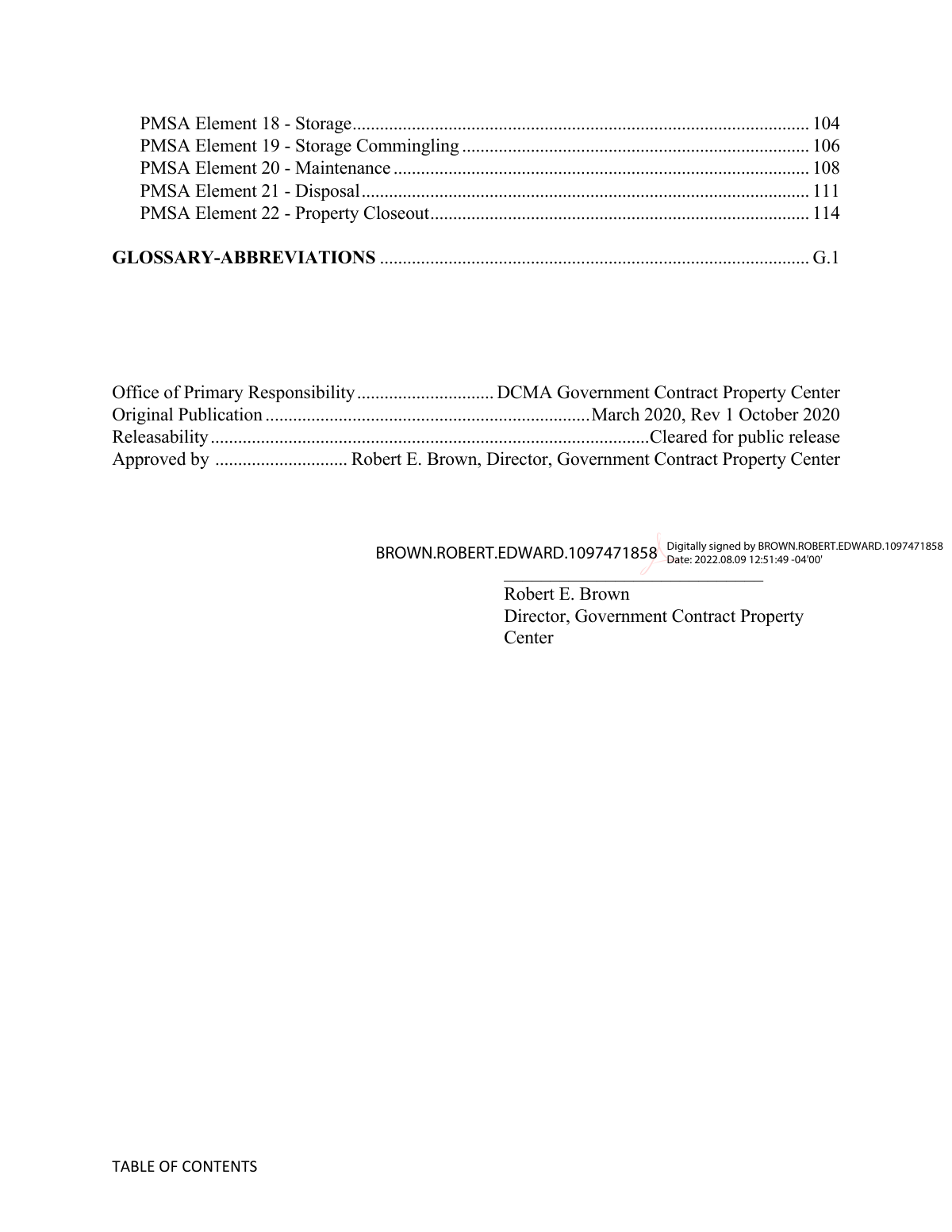
About DCMA forms
These forms are primarily utilized by government contractors, property administrators, and DCMA personnel involved in the lifecycle of a defense contract. Whether you are conducting a Property Management System Analysis (PMSA) or managing government-furnished property, having access to the correct documentation is vital for passing audits and maintaining contract eligibility. For example, guidebooks related to property administration help contractors navigate FAR 52.245-1 requirements, detailing the specific analysis techniques and procedures needed to manage government assets effectively.
Navigating these technical documents often involves significant data entry and meticulous attention to detail to ensure regulatory compliance. Tools like Instafill.ai use AI to fill these forms in under 30 seconds, ensuring that data is handled accurately and securely while saving significant administrative time. This allows defense industry professionals to focus on the technical and operational aspects of contract management rather than manual paperwork.
Every form on this page can be completed without typing. Instafill is form filling software that reads a PDF and fills it for you — including flat and scanned documents that carry no fillable fields at all.
Forms in This Category
| Form Name | Pages | FCI | |
|---|---|---|---|
| 1. | DCMA Guidebook for Government Contract Property Administration | 1 | – |
- Enterprise-grade security & data encryption
- 99%+ accuracy powered by AI
- 1,000+ forms from all industries
- Complete forms in under 60 seconds
How to Choose the Right Form
Navigating DCMA Documentation
When dealing with the Defense Contract Management Agency (DCMA), selecting the right documentation is critical for maintaining compliance with government contracts. Most users visiting this category are focused on property oversight, system audits, and ensuring that government-furnished property is handled according to federal regulations.
Managing Government Property Systems
If your primary goal is to understand or implement the oversight process for contractor-held property, you should utilize the DCMA Guidebook for Government Contract Property Administration. This is the foundational resource for several key stakeholders:
- Compliance Officers: Use this to ensure your internal systems align with FAR 52.245-1 requirements before an official inspection.
- DCMA Personnel: Reference this for the standardized procedures required to conduct a formal Property Management System Analysis (PMSA).
- Contractors: Prepare for upcoming audits by understanding the specific analysis techniques, risk assessments, and reporting requirements used by the agency.
When to Use This Guidebook
Unlike a simple administrative form, this guidebook serves as a comprehensive framework for the entire property management lifecycle. You should consult this document when you need to:
- Evaluate the adequacy of a contractor's property management system.
- Determine the specific reporting requirements for lost, damaged, or destroyed property.
- Standardize the evaluation process across different government contracts to ensure consistency.
Streamlining Your DCMA Paperwork
While the guidebook outlines complex procedures, the actual reporting and data entry required by the agency can be time-consuming. Using Instafill.ai, you can take the requirements found within the DCMA Guidebook for Government Contract Property Administration and apply them to fillable templates. Our AI tools help you convert static PDF reports into interactive forms, ensuring that your property management records are accurate, professional, and submitted on time, reducing the risk of non-compliance findings.
Form Comparison
| Form | Purpose | Primary Audience | Regulatory Basis | Key Focus |
|---|---|---|---|---|
| DCMA Guidebook for Government Contract Property Administration | Provides procedures for DCMA personnel to oversee contractor property management systems. | Defense Contract Management Agency personnel and government contractors managing federal property. | Based on FAR 52.245-1 requirements for government contract property administration. | Procedures for conducting a Property Management System Analysis (PMSA) for compliance. |
Tips for DCMA forms
Using AI-powered tools like Instafill.ai can complete complex government contract forms in under 30 seconds with high accuracy. Your sensitive contract data remains secure throughout the process, making it an ideal solution for professionals managing high volumes of property administration paperwork.
Before submitting property reports, double-check that your data adheres to the specific clauses outlined in FAR 52.245-1. Ensuring your forms reflect current regulatory standards helps avoid delays during a Property Management System Analysis (PMSA).
Clearly categorize property types on your forms to ensure accurate oversight by DCMA personnel. Mislabeling government-furnished versus contractor-acquired property is a common error that can lead to discrepancies in financial reporting and audit findings.
Keep all supporting documentation, such as shipping receipts and disposal records, organized alongside your primary DCMA forms. This level of organization simplifies the review process for government auditors and ensures a transparent audit trail for every asset under your management.
Ensure that every piece of property is identified by a consistent tag or serial number across all submitted forms and reports. Inconsistent identification makes it difficult for the DCMA to track equipment through its lifecycle, often resulting in avoidable corrective action requests.
Incomplete forms are a primary cause of administrative rejection in government contracting. Take a moment to verify that every required field, including dates and signatures, is filled out to prevent unnecessary back-and-forth with contract management officers.
Frequently Asked Questions
DCMA forms are utilized by the Defense Contract Management Agency to standardize the oversight of Department of Defense contracts. They ensure that contractors remain compliant with federal regulations regarding property management, quality control, and financial reporting throughout the lifecycle of a contract.
These forms are primarily used by government contract property administrators and the contractors themselves. Contractors use them to report on the status of government-furnished property, while DCMA personnel use them to document audits and Property Management System Analyses (PMSA).
The most common regulation associated with these forms is FAR 52.245-1, which outlines the requirements for government property. DCMA guidebooks and forms provide the practical framework for implementing these federal requirements and verifying contractor compliance.
Yes, AI tools like Instafill.ai can fill out DCMA-related forms by extracting data from your source documents and automatically placing it into the correct fields. These tools can complete a standard form in under 30 seconds, ensuring high accuracy and reducing manual entry errors.
A PMSA is a systematic review conducted by the DCMA to evaluate a contractor's effectiveness in managing government property. The process relies on specific guidebooks and forms to document whether the contractor's system meets the standards required by their specific government contract.
While manual entry can take significant time due to the technical nature of the data, using an AI-powered service like Instafill.ai allows you to complete these forms in less than 30 seconds. The AI accurately maps data from your contracts and reports directly into the PDF fields.
Most DCMA forms are submitted electronically through the Procurement Integrated Enterprise Environment (PIEE) or directly to an assigned Administrative Contracting Officer (ACO). Submission methods may vary based on the specific requirements outlined in the contract's terms.
DCMA forms provide a documented audit trail that ensures government assets are tracked, maintained, and used appropriately. By standardizing the reporting process, they help identify potential risks in a contractor's management system before they lead to financial losses or project delays.
If a form or analysis reveals a deficiency, the DCMA may issue a formal notification requiring the contractor to implement a corrective action plan. Failure to address these issues can lead to the disapproval of the contractor's property management system, impacting future eligibility for government contracts.
Yes, AI-powered services like Instafill.ai can convert static or non-fillable PDF versions of DCMA guidebooks and reports into interactive, fillable forms. This allows users to enter data digitally rather than having to print, sign, and scan documents manually.
No, these forms are generally required only for contracts that involve government-furnished property or specific oversight requirements from the Department of Defense. You should check your contract's clauses to determine which DCMA procedures and forms are applicable to your situation.
Glossary
- DCMA
- The Defense Contract Management Agency, a Department of Defense component that manages government contracts and ensures contractor compliance with property regulations.
- PMSA
- Property Management System Analysis; a formal evaluation conducted by the DCMA to determine if a contractor's system for managing government property is effective and compliant.
- FAR 52.245-1
- The standard Federal Acquisition Regulation clause that establishes the requirements for contractors regarding the management, protection, and reporting of government property.
- GFP (Government Furnished Property)
- Equipment, materials, or facilities provided directly by the government to a contractor for use in the performance of a specific contract.
- CAP (Contractor-Acquired Property)
- Property purchased by the contractor for contract performance to which the government holds title, usually because the cost is directly charged to the government.
- Property Administrator (PA)
- The authorized representative of the contracting officer specifically designated to evaluate and oversee the contractor's property management system.
- Plant Clearance
- The formal process of reporting and disposing of excess government property that is no longer needed for a contract's performance.
- LTDD
- An abbreviation for Loss, Theft, Damage, or Destruction; refers to reportable incidents involving government property that require formal investigation and documentation.