Fill out loan application forms
with AI.
Loan application forms are the essential gateway to financial support, whether for personal, business, or educational needs. These documents serve as a formal request to a lender—such as a bank, credit union, or government agency—to borrow funds for a specific purpose. They are vital because they provide the necessary data for lenders to assess creditworthiness, evaluate risk, and determine the terms of the loan. From securing a mortgage for a new home to obtaining disaster relief for a business, these financial forms ensure that the agreement is documented and legally sound for both parties.
By continuing, you acknowledge Instafill's Privacy Policy and agree to get occasional product update and promotional emails.
About loan application forms
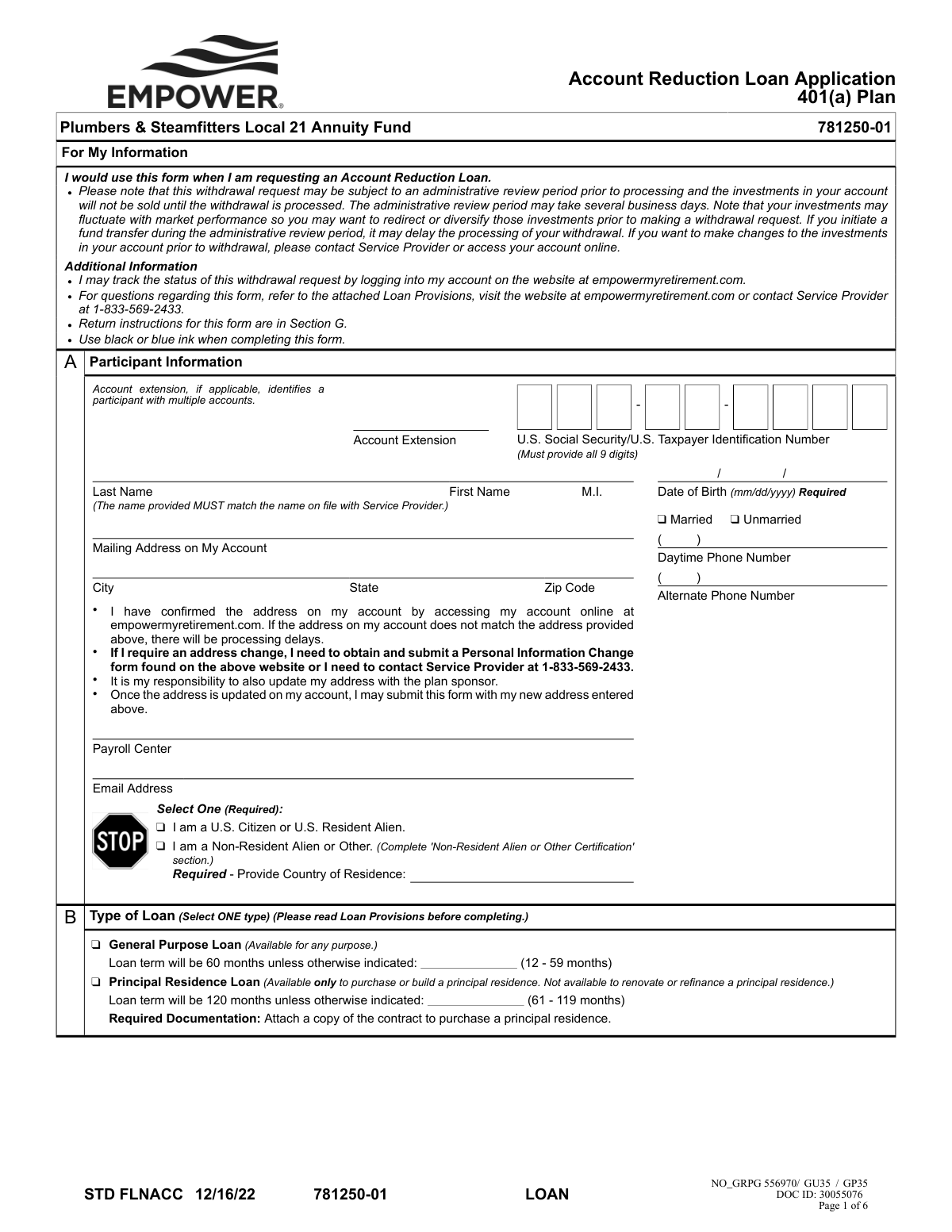
Individuals and business owners typically encounter these forms during major life transitions or specific financial milestones. For example, prospective homeowners often need to complete the Uniform Residential Loan Application (Form 1003) to start the mortgage process, while employees may use account reduction loan applications to borrow against their retirement plans, such as a 401(a) or 403(b). Additionally, students and public service workers use specific documentation like the PSLF certification to manage or forgive their federal debt. Whether you are an entrepreneur applying for an SBA disaster loan or an investor seeking a DSCR business purpose loan, having the right paperwork is the first step toward approval.
Completing these extensive financial forms can be a daunting and time-consuming task, often requiring precise calculations and detailed personal history. Tools like Instafill.ai use AI to fill these forms in under 30 seconds, handling sensitive data accurately and securely to streamline the application process. By automating the data entry, users can focus on their financial goals rather than the complexity of the paperwork.
Every form on this page can be completed without typing. Instafill is form filling software that reads a PDF and fills it for you — including flat and scanned documents that carry no fillable fields at all.
Forms in This Category
The forms in this category have a median Form Complexity Index of 74/100 (Complex), measured across 14 forms by field count, input difficulty, length, conditional logic and structure. See how it is calculated.
- Enterprise-grade security & data encryption
- 99%+ accuracy powered by AI
- 1,000+ forms from all industries
- Complete forms in under 60 seconds
How to Choose the Right Form
Navigating the variety of financial forms available can be complex. To find the correct loan application, first identify whether you are borrowing from a bank, your own retirement fund, or a government agency.
Residential Mortgages & Housing
If you are applying for a home loan in the United States, you will almost certainly need the Uniform Residential Loan Application (Fannie Mae Form 1003 / Freddie Mac Form 65). This is the industry-standard document for assessing creditworthiness. For those banking specifically with China Banking Corporation, the HomePlus Loan Application (Individuals) is the required form for housing loans and property collateral disclosure.
Retirement Plan & Annuity Loans
Many union members and employees have the option to borrow against their own retirement savings. These are often referred to as "Account Reduction Loans."
- 401(a) Plans: Use the Account Reduction Loan Application 401(a) Plan for general requests, or the specific version for Electrical Workers Local Union No. 369 if you are a member of that plan.
- 403(b) Plans: The Account Reduction Loan Application 403(b) Plan is designed for participants in plans like the Capital Health Retirement Savings & Investment Plan.
- Annuity Trusts: Members of the Iron Workers District Council should use the General Purpose Loan Application Packet, IW DC of SOV Annuity Trust for comprehensive loan requests including spousal waivers.
Business, Disaster, & Student Loans
For specialized financial needs, look to these specific categories:
- Real Estate Investors: The DSCR Business Purpose Loan Application is used when a loan is based on a property's Debt Service Coverage Ratio rather than personal income.
- Disaster Relief: If your business has been affected by a declared disaster, use Form 5, SBA Disaster Loan Application to seek federal assistance.
- Student Debt: To track qualifying payments or apply for debt cancellation, use the Public Service Loan Forgiveness (PSLF) & TEPSLF Certification & Application.
Form Comparison
| Form | Loan Type | Intended Use | Key Documentation |
|---|---|---|---|
| Account Reduction Loan Application 401(a) Plan | Retirement Loan | Borrowing from a 401(a) plan account balance | Participant personal details and repayment method selection |
| Account Reduction Loan Application 401(a) Plan, Electrical Workers Local Union No. 369 Retirement Plan | Union Retirement Loan | Accessing 401(a) funds for local union members | Personal info, loan amount, and required spousal consent |
| Account Reduction Loan Application 403(b) Plan | Retirement Loan | Borrowing from vested 403(b) account balances | General purpose funds or principal residence purchase details |
| DSCR Business Purpose Loan Application | Commercial Loan | Real estate investment based on property cash flow | Debt Service Coverage Ratio and business entity information |
| General Purpose Loan Application Packet, IW DC of SOV Annuity Trust | Union Annuity Loan | Requesting a general-purpose loan from annuity trust | Loan terms agreement and required spousal waiver forms |
| HomePlus Loan Application (Individuals) – China Banking Corporation (CBC) | Housing Loan | Residential mortgage for individuals in the Philippines | Income disclosure, bank secrecy waivers, and credit investigation consent |
| Public Service Loan Forgiveness (PSLF) & TEPSLF Certification & Application | Student Loan Forgiveness | Certifying public service employment for debt cancellation | Employment certification and tracking of 120 qualifying payments |
| Form 5, SBA Disaster Loan Application | SBA Disaster Loan | Financial recovery for businesses after declared disasters | Business information and proof of disaster-related financial loss |
| Uniform Residential Loan Application (Fannie Mae Form 1003) | Residential Mortgage | Standardized application for U.S. residential home loans | Detailed financial history including assets, liabilities, and income |
| Uniform Residential Loan Application (Fannie Mae Form 1003 / Freddie Mac Form 65) | Residential Mortgage | Industry-standard form for evaluating home loan creditworthiness | Comprehensive borrower identity, employment, and real estate ownership data |
Tips for loan application forms
Discrepancies between your application and your bank statements or tax returns can trigger red flags during the underwriting process. Always double-check your monthly income and debt totals to ensure they align perfectly with your official financial records to avoid processing delays.
Many retirement plan loan applications, such as 401(a) or 403(b) forms, require a spouse’s consent to borrow against the account balance. These forms often need to be signed in the presence of a notary public or plan representative to be legally valid, so review the signature requirements before submitting.
Filling out multi-page financial documents like the Uniform Residential Loan Application can be time-consuming and prone to manual errors. AI-powered tools like Instafill.ai can complete these forms in under 30 seconds with high accuracy, and your sensitive data stays secure during the entire process.
Most loan applications will ask for specific details regarding your assets, liabilities, and employment history. Having your recent pay stubs, W-2s, and investment statements on hand will save you from having to pause the application to search for critical numbers.
For forms like the DSCR Business Purpose Loan or SBA Disaster Loan, ensure you are providing information relevant to the business entity rather than just personal finances. Lenders for these loans focus heavily on property income or specific disaster impact, so tailor your answers to meet those specific criteria.
Ensure that your name, address, and Social Security number are written exactly the same way on every page of the application packet. Small variations, like using a nickname or omitting a middle initial on some pages but not others, can cause automated verification systems to flag your application for manual review.
Frequently Asked Questions
These forms are used to formally request credit or financing from various entities, including banks, government agencies, and retirement plan administrators. They serve as a standardized way to provide lenders with the financial information they need to assess your creditworthiness and determine if you meet the eligibility criteria for a specific loan program.
The correct form depends on the type of financing you are seeking. For a home mortgage, you will typically use the Uniform Residential Loan Application (Form 1003); for a loan from your employer-sponsored retirement plan, you should look for an Account Reduction Loan Application specific to your plan type, such as a 401(a) or 403(b).
Yes, you can fill out these forms efficiently using AI tools like Instafill.ai. These tools can accurately extract data from your source documents and place it into the correct fields in under 30 seconds, ensuring that your application is completed quickly and without manual entry errors.
An Account Reduction Loan application is a specific document used by participants in retirement plans, such as those for union members or hospital staff, to borrow money from their vested account balance. These forms detail the repayment terms and ensure the loan remains in compliance with federal tax laws and plan-specific regulations.
This is the industry-standard form required by nearly all mortgage lenders in the United States when you apply for a residential home loan. It gathers comprehensive data on your assets, liabilities, income, and employment history to help the lender perform a thorough underwriting analysis.
While manually filling out complex financial forms can take significant time, AI-powered services like Instafill.ai can complete these applications in under 30 seconds. The AI identifies the relevant data from your uploaded documents and maps it directly to the form fields for you.
This form is intended for individuals with federal student loans who work for qualifying public service employers, such as government agencies or non-profit organizations. Borrowers use it to certify their employment and track their progress toward the 120 payments required for total loan forgiveness.
A DSCR (Debt Service Coverage Ratio) loan application focuses on the income-generating potential of a property rather than the borrower's personal income. You will need to provide details about the subject property, the business entity, and the anticipated rental income to show that the property can cover its own debt service.
Certain loans, particularly those involving retirement accounts or residential property in community property states, require a spouse's signature to acknowledge the debt or waive their rights to the asset. This is a legal requirement designed to protect the interests of both parties in a marriage.
The SBA Form 5 is the primary application for a Small Business Administration disaster loan. It is used by businesses and private non-profit organizations to request low-interest financial assistance to recover from physical damage or economic injury caused by a declared disaster.
While requirements vary, you should generally have your recent pay stubs, tax returns, bank statements, and identification documents ready. Having these documents in digital format allows AI tools to more easily assist in populating the application form accurately.
Submission instructions are usually found at the end of the form or on the lender's official website. Most retirement plan loans are submitted to the plan administrator, while mortgage applications are sent to your chosen bank or mortgage broker, often through a secure online portal.
Glossary
- Form Complexity Index
- Instafill’s 0–100 measure of how much effort a form takes to complete, calculated deterministically from the form’s own structure rather than estimated. It combines the number of fillable fields (the largest factor), how difficult those fields are to complete based on their type, the number of pages that contain fields, the amount of conditional “fill-only-if” logic, and how many sections the form is divided into, then adds modifiers for tables and repeating lists, bundled instruction pages, and dense page layouts. A higher score means the form is harder to fill out by hand. The forms in this category have a median Form Complexity Index of 74/100 (Complex). See exactly how it is calculated.
- URLA
- Short for Uniform Residential Loan Application, this is the industry-standard form (Fannie Mae Form 1003) used by lenders to collect a borrower's financial information for a mortgage.
- Debt-to-Income Ratio (DTI)
- A percentage calculated by dividing your total monthly debt payments by your gross monthly income, used by lenders to measure your ability to manage monthly loan payments.
- Vested Balance
- The portion of a retirement account, such as a 401(a) or 403(b), that an employee legally owns and is eligible to borrow against or withdraw.
- Debt Service Coverage Ratio (DSCR)
- A financial metric used primarily in commercial or investment real estate loans to ensure a property generates enough income to cover its debt obligations.
- Spousal Consent/Waiver
- A legal requirement where a participant's spouse must sign the application to acknowledge and approve a loan taken from a retirement plan or annuity trust.
- Qualifying Payment
- A specific type of student loan payment made while working for a qualifying employer that counts toward the 120 payments required for Public Service Loan Forgiveness (PSLF).
- FATCA
- The Foreign Account Tax Compliance Act, which requires individuals to disclose foreign financial assets and is often a required section in international banking loan applications.
- Attorney-in-Fact
- A person authorized to act on behalf of another person through a power of attorney, often used in loan applications when the borrower cannot sign the documents personally.