Fill out immigration compliance forms
with AI.
Immigration compliance forms are essential documents used by businesses and organizations to verify the legal status of their workforce and ensure they are operating within federal regulations. These forms are critical for maintaining legal standing and avoiding significant penalties related to unauthorized employment. By serving as a formal bridge between private entities and government agencies like the Department of Homeland Security (DHS), these documents ensure that every hire is documented and verified according to current immigration laws.
By continuing, you acknowledge Instafill's Privacy Policy and agree to get occasional product update and promotional emails.
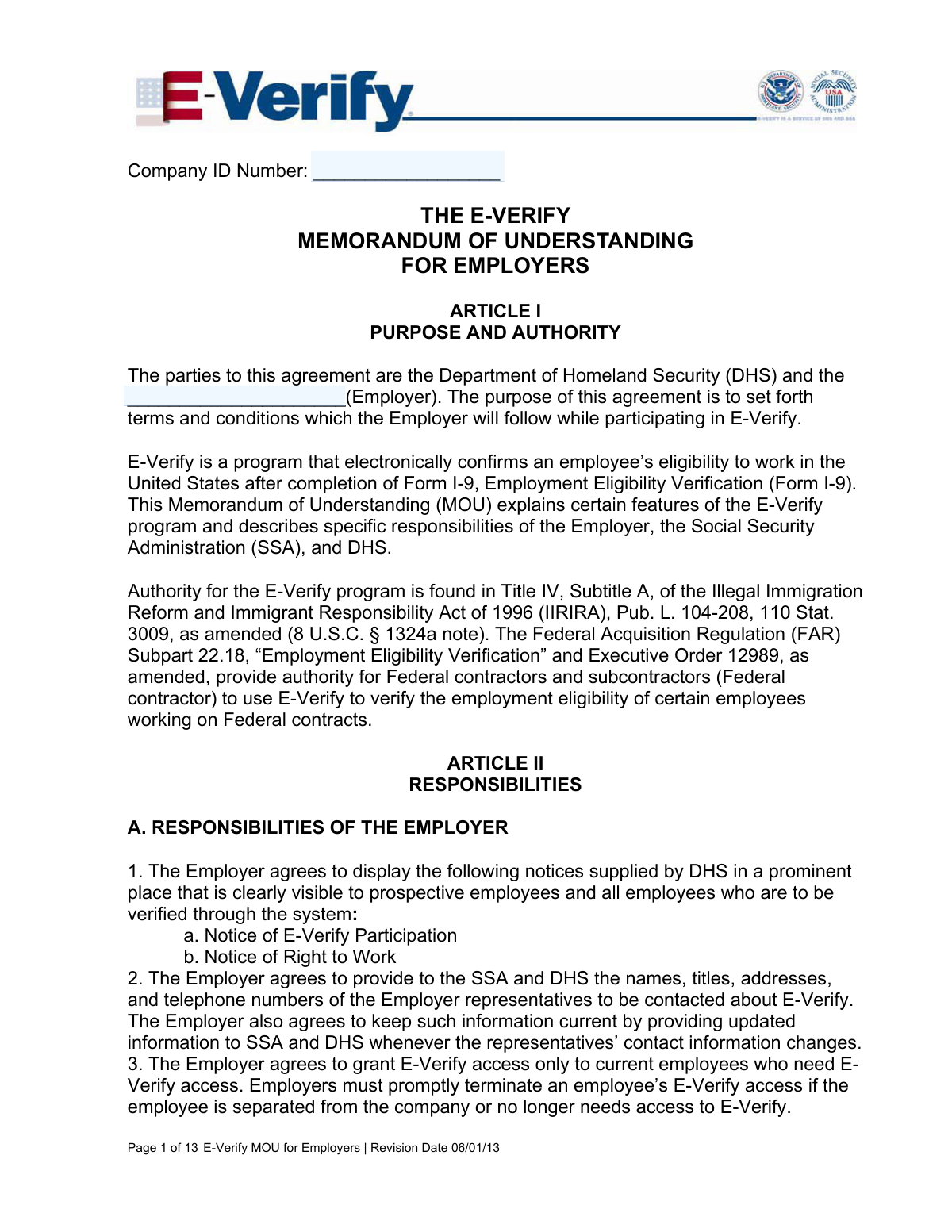
About immigration compliance forms
This category of forms is primarily utilized by HR professionals, business owners, and federal contractors who must formalize their participation in verification programs. For example, documents like the E-Verify Memorandum of Understanding (MOU) for Employers are mandatory for organizations that wish to electronically verify the employment eligibility of new hires. Whether you are a small business owner hiring your first employee or a large corporation managing a high volume of staff, staying compliant is a fundamental part of the onboarding and operational process.
Navigating these complex legal documents can be time-consuming, but tools like Instafill.ai use AI to fill these forms in under 30 seconds while maintaining high standards for data accuracy and security. This automated approach allows employers to focus on their core operations while ensuring that their compliance paperwork is handled efficiently and correctly.
Every form on this page can be completed without typing. Instafill is form filling software that reads a PDF and fills it for you — including flat and scanned documents that carry no fillable fields at all.
Forms in This Category
The forms in this category have a median Form Complexity Index of 55/100 (Moderate), measured across 1 forms by field count, input difficulty, length, conditional logic and structure. See how it is calculated.
| Form Name | Pages | FCI | |
|---|---|---|---|
| 1. | The E-Verify Memorandum of Understanding for Employers | 13 | Moderate 55 |
- Enterprise-grade security & data encryption
- 99%+ accuracy powered by AI
- 1,000+ forms from all industries
- Complete forms in under 60 seconds
How to Choose the Right Form
Choosing the right immigration compliance form is about identifying your organization’s legal obligations regarding employment eligibility. While the landscape of immigration law is broad, the primary focus for most U.S. employers is ensuring that every new hire is legally authorized to work in the country. To do this electronically, you must first establish a formal relationship with the government.
Establishing Your Verification Protocol
If your organization is looking to move beyond manual paper checks and adopt a more robust, electronic verification process, you will likely need The E-Verify Memorandum of Understanding (MOU) for Employers. This is not just a simple application; it is a legally binding agreement between your business and the Department of Homeland Security (DHS). By signing this, you agree to the terms and conditions of the E-Verify program, which is the gold standard for employment eligibility compliance.
Who Should Complete This Form?
You should prioritize this form if your business falls into any of the following categories:
- Federal Contractors: Many federal contracts require the use of E-Verify as a condition of the agreement. This form is the essential first step to meeting those contractual obligations.
- State-Mandated Employers: Several states require some or all employers to use E-Verify for new hires. If you operate in one of these jurisdictions, this MOU is a legal necessity.
- Compliance-Focused HR Teams: Even if not legally required in your state, many companies choose to enroll to minimize the risk of hiring unauthorized workers and to streamline their I-9 audit trails.
Key Considerations for Compliance
Before signing The E-Verify Memorandum of Understanding for Employers, ensure you have the authority to bind the company to a federal agreement. This document outlines your responsibilities, including how to handle "Tentative Nonconfirmations" (TNCs) and how to protect employee privacy. Using Instafill.ai to complete this memorandum ensures that all required fields—such as your Federal Employer Identification Number (EIN) and company contact information—are captured accurately, reducing the risk of processing delays with the DHS.
Form Comparison
| Form | Purpose | Parties Involved | When to Complete |
|---|---|---|---|
| The E-Verify Memorandum of Understanding for Employers | Establishes binding terms for electronic employment eligibility verification participation. | Employers and the Department of Homeland Security (DHS). | During the initial enrollment process for the E-Verify program. |
Tips for immigration compliance forms
Ensure that your company’s legal name and FEIN match your official IRS records exactly before submitting. Discrepancies in these primary identifiers can lead to registration delays or issues during future compliance audits.
The Memorandum of Understanding must be signed by an individual with the legal authority to bind the company to the program's terms. This is typically a business owner, HR director, or legal representative who understands the specific compliance obligations involved.
AI-powered tools like Instafill.ai can complete these complex compliance forms in under 30 seconds with high accuracy. Your sensitive company data stays secure throughout the process, providing a practical and fast solution for managing multiple immigration forms.
Once the document is executed, keep a copy in a secure, centralized location that is easily accessible by your HR or legal team. Compliance officers may request to see proof of your participation in the program during routine site visits or inspections.
If your company changes its primary point of contact or physical address, ensure you update your compliance records promptly. Outdated contact information can cause you to miss critical notifications regarding new regulations or program system changes.
Use consistent formatting for dates, addresses, and titles across all your immigration compliance documents to prevent administrative confusion. Standardizing these entries makes it much easier to cross-reference documents when managing multiple business branches or sub-entities.
Frequently Asked Questions
Immigration compliance forms are essential documents used by businesses to verify the legal work authorization of their employees. These forms, such as the E-Verify Memorandum of Understanding, help ensure that an organization is following federal regulations and maintaining the necessary records for potential government audits.
The E-Verify MOU must be signed by an authorized representative of any company that chooses to participate in the E-Verify program. While participation is voluntary for many, it is mandatory for most federal contractors and employers in certain states that have passed specific compliance laws.
Yes, AI-powered tools like Instafill.ai can be used to fill out various immigration compliance forms with high precision. These tools can accurately extract information from your existing corporate or personal documents and place the data into the correct fields on the PDF automatically.
While manual data entry for complex compliance documents can take a significant amount of time, using AI services can streamline the process. Tools like Instafill.ai can complete these forms in under 30 seconds by instantly mapping your source data to the required form fields.
To complete the E-Verify MOU, you will generally need your company's legal name, physical address, and Federal Employer Identification Number (EIN). You will also need to provide contact information for the individuals who will serve as the primary points of contact for the program.
Yes, the E-Verify Memorandum of Understanding is a binding legal agreement between your business and the Department of Homeland Security. It outlines the specific responsibilities of the employer, including how to handle data privacy and the steps required to verify employee eligibility.
Most modern immigration compliance forms, including the E-Verify enrollment documents, are submitted electronically through official government portals. Once the form is filled out and digitally signed, it is typically processed immediately by the relevant federal agency.
The specific forms you need depend on your industry, your location, and whether you handle federal contracts. The E-Verify MOU is the standard starting point for any business looking to electronically verify employee status, but you should consult with a compliance officer or legal counsel to ensure all state and federal requirements are met.
Failure to maintain proper immigration records or participate in required verification programs can lead to significant civil fines and legal penalties. For federal contractors, non-compliance can also result in the suspension or debarment from future government contract opportunities.
Yes, if you have an older or non-interactive version of a compliance form, AI services like Instafill.ai can convert these static PDFs into interactive, fillable documents. This makes it much easier to enter data digitally rather than printing and filling them out by hand.
Glossary
- Form Complexity Index
- Instafill’s 0–100 measure of how much effort a form takes to complete, calculated deterministically from the form’s own structure rather than estimated. It combines the number of fillable fields (the largest factor), how difficult those fields are to complete based on their type, the number of pages that contain fields, the amount of conditional “fill-only-if” logic, and how many sections the form is divided into, then adds modifiers for tables and repeating lists, bundled instruction pages, and dense page layouts. A higher score means the form is harder to fill out by hand. The forms in this category have a median Form Complexity Index of 55/100 (Moderate). See exactly how it is calculated.
- Employment Eligibility
- The legal status that allows an individual to work in the United States, which employers are required by law to verify for every new employee.
- E-Verify
- A web-based system operated by the Department of Homeland Security that allows employers to confirm the identity and employment authorization of their new hires.
- Memorandum of Understanding (MOU)
- A legally binding agreement between an employer and the federal government that outlines the rules and responsibilities for participating in the E-Verify program.
- Form I-9
- The official document used to verify the identity and legal work authorization of all paid employees in the United States; it is the foundation for all E-Verify cases.
- Tentative Nonconfirmation (TNC)
- A result from the E-Verify system indicating that the information provided does not match government records, requiring the employee to take action to resolve the issue.
- Department of Homeland Security (DHS)
- The federal agency that oversees immigration and border security and manages the E-Verify system in partnership with the Social Security Administration.
- Federal Contractor
- A business or organization that provides goods or services to the U.S. government, often making E-Verify participation a mandatory requirement for their business operations.
- Designated Agent
- An authorized third-party service provider that performs E-Verify queries and manages compliance documentation on behalf of an employer.