Fill out insurance prior authorization forms
with AI.
Insurance prior authorization forms, often referred to as precertification or pre-authorization forms, are essential documents used by healthcare providers to confirm that a specific medical service or procedure is covered by a patient's health plan before treatment begins. This process is critical because it ensures that the insurer deems the requested care medically necessary, which helps prevent unexpected out-of-pocket costs for patients and ensures providers receive proper reimbursement for their services.
By continuing, you acknowledge Instafill's Privacy Policy and agree to get occasional product update and promotional emails.
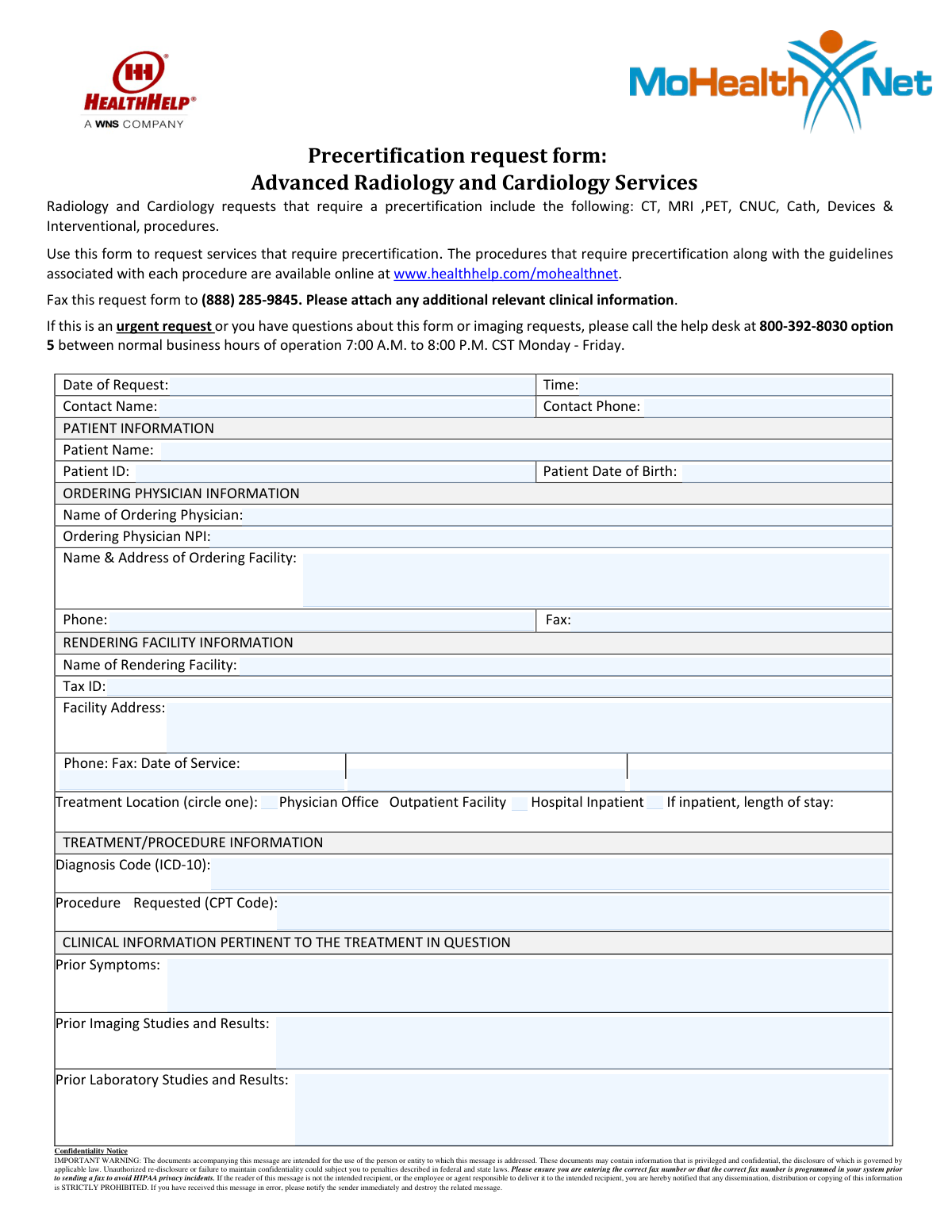
About insurance prior authorization forms
These forms are typically managed by administrative staff in clinics or hospitals, especially when coordinating specialized care such as advanced radiology or cardiology services. For instance, a precertification request for cardiology procedures is a standard requirement to verify that complex heart-related diagnostics meet the clinical guidelines set by the insurance provider. Navigating these requirements accurately and promptly is vital to avoid delays in patient care or the potential denial of insurance claims.
Managing the high volume of paperwork involved in the prior authorization process can be a significant administrative burden for busy medical offices. Tools like Instafill.ai use AI to fill these forms in under 30 seconds, ensuring data is handled accurately and securely while streamlining the workflow. This allows healthcare professionals to spend less time on manual data entry and more time focusing on patient outcomes.
Every form on this page can be completed without typing. Instafill is form filling software that reads a PDF and fills it for you — including flat and scanned documents that carry no fillable fields at all.
Forms in This Category
The forms in this category have a median Form Complexity Index of 37/100 (Basic), measured across 1 forms by field count, input difficulty, length, conditional logic and structure. See how it is calculated.
| Form Name | Pages | FCI | |
|---|---|---|---|
| 1. | Precertification request form: Advanced Radiology and Cardiology Services | 1 | Basic 37 |
- Enterprise-grade security & data encryption
- 99%+ accuracy powered by AI
- 1,000+ forms from all industries
- Complete forms in under 60 seconds
How to Choose the Right Form
Navigating the requirements for medical insurance can be challenging, especially when specialized procedures are involved. Prior authorization (also known as precertification) is a critical step to ensure that your insurance provider will cover the costs of specific treatments before they are administered.
Advanced Imaging and Heart Health
Currently, this category features the Precertification request form: Advanced Radiology and Cardiology Services. This specific document is required when a healthcare provider recommends high-level diagnostic testing. You should choose this form if you are seeking approval for:
- Advanced Radiology: This includes complex imaging such as MRIs, CT scans, and PET scans that require clinical justification beyond a standard X-ray.
- Cardiology Services: This includes specialized heart-related procedures, stress tests, or echocardiograms that must be vetted for medical necessity by the insurance carrier.
When to Use This Form
You should utilize the Precertification request form: Advanced Radiology and Cardiology Services if your insurance plan requires a formal review of clinical documentation before authorizing payment. This is common for "high-tech" services where the insurer needs to confirm that the patient's symptoms or previous treatment history justify the cost of advanced diagnostics.
Key Information for a Successful Request
To ensure your precertification request is not delayed or denied, make sure you have the following details ready when filling out the form:
- Clinical Rationale: Brief notes on why the specific radiology or cardiology test is being ordered.
- Procedure Codes: The specific CPT codes for the requested imaging or service.
- Provider Details: The NPI and contact information for both the ordering physician and the facility where the service will be performed.
By using Instafill.ai, you can convert this precertification PDF into a fillable format, making it easier to input precise medical data and speed up the approval process with your health plan administrator.
Form Comparison
| Form | Primary Purpose | Applicable Procedures | Key Information Required |
|---|---|---|---|
| Precertification request form: Advanced Radiology and Cardiology Services | To obtain insurance approval before performing specialized medical imaging or heart-related procedures. | High-tech diagnostic imaging and complex cardiology services requiring medical necessity verification. | Clinical diagnosis, specific CPT codes, patient demographics, and supporting medical documentation. |
Tips for insurance prior authorization forms
Incorrect procedure or diagnosis codes are a leading cause of prior authorization denials. Always cross-reference the codes provided by the physician with the insurance provider's current requirements to ensure they match the requested cardiology or radiology service.
Most insurance carriers require recent clinical notes, lab results, or imaging reports to prove medical necessity. Ensure these attachments are organized and clearly labeled to avoid delays or secondary requests for additional information from the payer.
AI-powered tools like Instafill.ai can complete these complex forms in under 30 seconds with high accuracy. Your data stays secure during the process, providing a practical way to manage multiple precertification requests without manual data entry errors.
Insurance companies frequently update their precertification and cardiology forms. Always check that you are using the most current version for the specific health plan to prevent the application from being rejected for using an obsolete document.
Prior authorizations are typically valid for a limited window, often between 30 and 90 days. Keep a centralized log of approval dates to ensure the scheduled medical procedure occurs within the authorized timeframe to avoid billing issues.
Many advanced radiology and cardiology forms require a formal signature from the ordering physician. Double-check that all signature and date fields are completed before submission, as missing signatures are a common reason for administrative rejection.
Frequently Asked Questions
A prior authorization form is a formal request for approval from a health insurer before a specific medical service or procedure is performed. It ensures that the insurer agrees the treatment is medically necessary and falls within the patient's coverage benefits.
These specialized services often involve high costs and complex clinical criteria. Insurers require precertification to verify that the proposed diagnostic tests or treatments are the most appropriate next steps based on the patient's medical history.
While the healthcare provider's office typically initiates and submits the precertification request, patients are often involved in providing accurate insurance information. The provider ensures that the clinical documentation matches the requirements of the insurance plan.
Requirements usually include patient demographics, insurance identification numbers, specific ICD-10 diagnosis codes, and CPT procedure codes. Providers may also need to attach clinical notes or results from previous, less invasive tests to support the request.
Yes, AI tools like Instafill.ai can be used to fill out these forms by accurately extracting data from source documents and placing it into the correct fields. This technology can even convert non-fillable PDF versions into interactive forms for easier completion.
Using AI-powered automation, these forms can be completed in under 30 seconds. The system identifies the required data points from your medical or insurance records and populates the form fields automatically, saving significant time compared to manual entry.
If a required authorization is not secured before the service, the insurance company may deny the claim entirely. This often leads to the patient or the healthcare facility being held responsible for the full cost of the procedure.
The review process typically takes anywhere from a few business days to two weeks depending on the insurer. For urgent medical situations, many plans offer an expedited review process that can provide a decision within 24 to 72 hours.
Most managed care plans, such as HMOs and PPOs, require precertification for advanced imaging like MRIs, CT scans, and PET scans. It is important to verify the specific requirements of your individual policy before scheduling a procedure.
Completed forms are generally submitted to the insurance company's utilization management or clinical review department. Submission methods usually include secure provider portals, fax, or mail as specified by the insurer's guidelines.
Glossary
- Form Complexity Index
- Instafill’s 0–100 measure of how much effort a form takes to complete, calculated deterministically from the form’s own structure rather than estimated. It combines the number of fillable fields (the largest factor), how difficult those fields are to complete based on their type, the number of pages that contain fields, the amount of conditional “fill-only-if” logic, and how many sections the form is divided into, then adds modifiers for tables and repeating lists, bundled instruction pages, and dense page layouts. A higher score means the form is harder to fill out by hand. The forms in this category have a median Form Complexity Index of 37/100 (Basic). See exactly how it is calculated.
- Prior Authorization
- A requirement by health insurance companies for patients to obtain approval for a specific medical service or medication before it is provided to ensure coverage.
- Precertification
- The process of seeking approval from an insurance company prior to a procedure to confirm it is medically necessary and covered under the patient's plan.
- Medical Necessity
- The standard used by insurers to determine if a healthcare service or treatment is appropriate and essential for the diagnosis or treatment of a patient’s condition.
- CPT Code
- Short for Current Procedural Terminology, these five-digit numbers are used to identify the specific medical, surgical, or diagnostic services being requested.
- ICD-10 Code
- A standardized system of alphanumeric codes used by healthcare providers to classify and report specific patient diagnoses and symptoms.
- NPI (National Provider Identifier)
- A unique 10-digit identification number issued to healthcare providers in the United States, required on all administrative and financial transactions.
- Referring Provider
- The primary doctor or specialist who evaluates the patient and orders the advanced radiology or cardiology services.
- Rendering Provider
- The specific clinic, hospital, or imaging center where the requested medical procedure or diagnostic test will actually be performed.