Fill out philanthropic forms
with AI.
Philanthropic forms are the administrative backbone of charitable giving, allowing individuals, families, and organizations to formalize their commitment to social causes and manage their contributions effectively. Whether you are establishing a donor-advised fund, managing a private foundation, or organizing a large-scale donation, these documents ensure that your assets are handled according to regulatory standards and your specific intent. By standardizing the way financial resources are allocated, these forms help maintain transparency and maximize the long-term impact of every dollar donated.
By continuing, you acknowledge Instafill's Privacy Policy and agree to get occasional product update and promotional emails.
About philanthropic forms
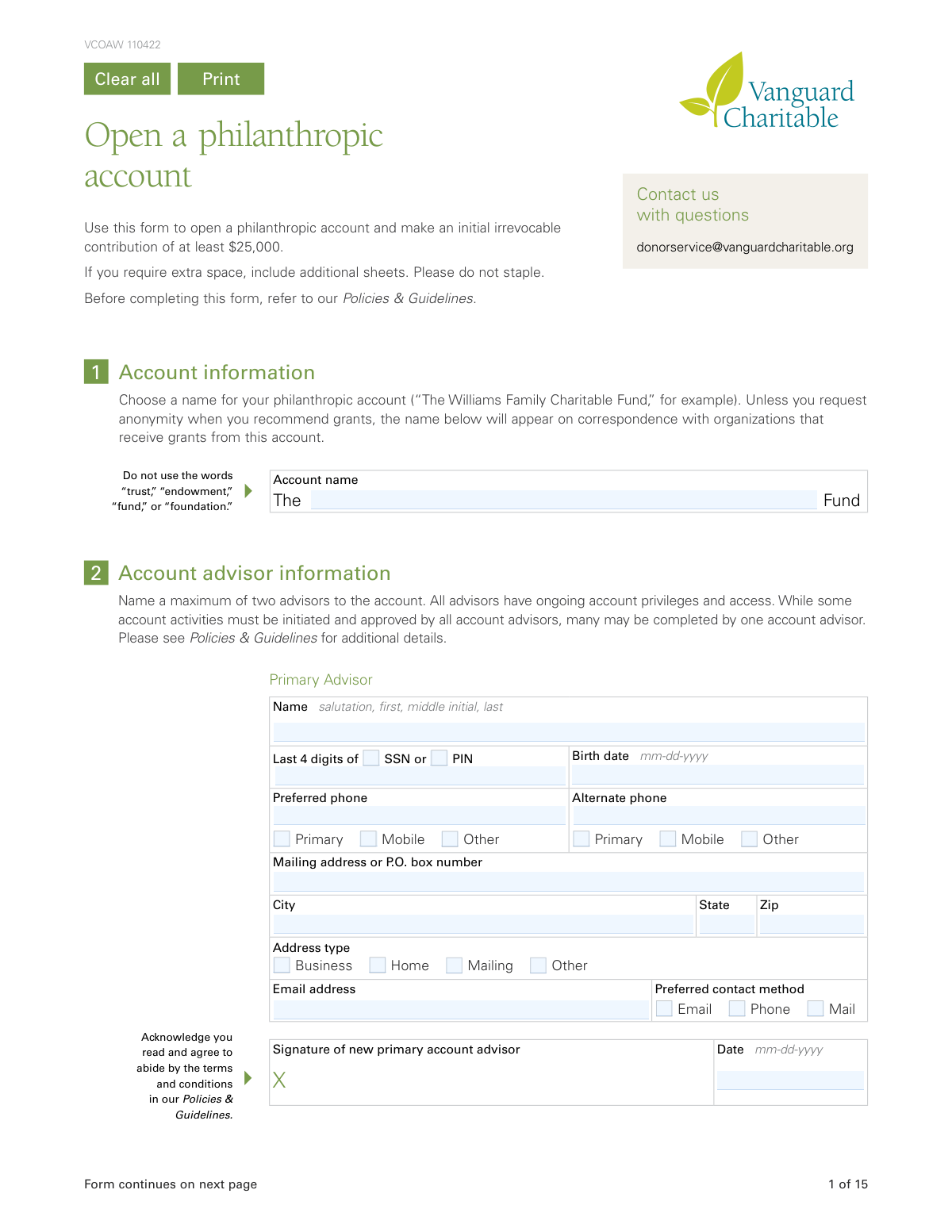
Typically, these forms are utilized by high-net-worth individuals, non-profit organizations, and wealth managers who need to streamline the philanthropic process. For instance, documents like those used to open a philanthropic account with Vanguard Charitable are essential for donors looking to create a structured vehicle for their giving. These situations often arise during annual tax planning, estate settlements, or when a donor decides to consolidate their charitable activities into a single, manageable account. Navigating these requirements can be complex, especially when dealing with irrevocable contributions and succession planning.
Completing these forms accurately is crucial to avoid delays in asset transfers or legal complications. Tools like Instafill.ai use AI to fill these forms in under 30 seconds, ensuring that data is handled securely and accurately. This allows donors to focus more on their charitable goals and less on the administrative hurdles of paperwork.
Every form on this page can be completed without typing. Instafill is form filling software that reads a PDF and fills it for you — including flat and scanned documents that carry no fillable fields at all.
Forms in This Category
The forms in this category have a median Form Complexity Index of 64/100 (Complex), measured across 1 forms by field count, input difficulty, length, conditional logic and structure. See how it is calculated.
| Form Name | Pages | FCI | |
|---|---|---|---|
| 1. | Vanguard Charitable Open a Philanthropic Account | 1 | Complex 64 |
- Enterprise-grade security & data encryption
- 99%+ accuracy powered by AI
- 1,000+ forms from all industries
- Complete forms in under 60 seconds
How to Choose the Right Form
Choosing the right philanthropic paperwork is the first step toward structured, impactful giving. While the world of charitable giving can be complex, selecting the correct document ensures your contributions are managed according to your long-term goals.
Establishing a Donor-Advised Fund (DAF)
If your goal is to manage your charitable giving through a centralized, tax-efficient account, the Vanguard Charitable Open a Philanthropic Account form is the essential document you need. This form is specifically designed for individuals, families, or organizations who want to establish a Donor-Advised Fund. Use this form to:
- Make Initial Contributions: Facilitate an initial, irrevocable tax-deductible contribution to start your fund.
- Select Investment Options: Choose how your donated assets are invested for potential tax-free growth.
- Define Governance: Name account advisors and establish a clear succession plan for the future of the fund.
Is This Form Right for Your Needs?
You should choose the Vanguard Charitable Open a Philanthropic Account form if you have decided on Vanguard Charitable as your sponsor and are ready to move beyond simple direct donations. It is the correct choice if you prefer the administrative ease of a DAF over the higher costs and regulatory requirements of a private foundation.
Preparation Checklist
To fill out this form quickly using Instafill.ai, ensure you have the following details ready:
- Entity Details: Legal names and Social Security or Tax ID numbers for all primary account holders.
- Contribution Strategy: Information regarding the type of assets you are contributing (e.g., cash or securities).
- Succession Planning: The names and contact information for successor advisors or the specific charities that should receive remaining assets in the future.
Using AI-powered tools to complete your Vanguard Charitable Open a Philanthropic Account form helps prevent errors in critical fields like investment selection and tax identification, ensuring your philanthropic journey starts on the right foot.
Form Comparison
| Form | Primary Purpose | Who Should File | Key Components |
|---|---|---|---|
| Vanguard Charitable Open a Philanthropic Account | Establish a donor-advised fund for tax-advantaged charitable giving and investment management. | Individuals or organizations making an initial irrevocable contribution to a charitable account. | Requires advisor details, succession planning, and selection of specific investment options. |
Tips for philanthropic forms
Remember that once assets are transferred into a donor-advised fund or philanthropic account, the contribution is permanent and cannot be returned. Ensure you have finalized your donation amount and tax strategy before submitting the form to avoid complications with your charitable deductions.
To ensure your philanthropic legacy continues, clearly name account successors or charitable organizations in the succession plan section. This step prevents the account from becoming inactive and ensures that your charitable intent is honored even if you are no longer able to manage the fund.
Managing complex philanthropic forms can be time-consuming, but AI-powered tools like Instafill.ai can complete these forms in under 30 seconds with high accuracy. Your sensitive financial and personal data stays secure during the process, making it a practical time-saver for donors handling multiple accounts.
Before starting the application, have your Social Security number or Employer Identification Number (EIN) ready, along with banking details for initial funding. Having these documents on hand prevents session timeouts and ensures that all legal identifying information is entered correctly the first time.
If you are naming multiple account advisors, specify their level of access and decision-making authority within the form. Clearly defining who can recommend grants or change investment options helps prevent administrative confusion and ensures smooth long-term account management.
Philanthropic accounts often offer various investment pools ranging from conservative to growth-oriented. Select the options that best align with your expected grant-making timeline to maximize the potential impact of your donated assets while they remain in the account.
Frequently Asked Questions
Philanthropic forms are documents used to establish and manage charitable giving vehicles, such as donor-advised funds or private foundations. They allow donors to formalize their intent, designate beneficiaries, and outline how assets should be invested or distributed to qualified non-profits.
Generally, individuals, families, and corporate entities can open philanthropic accounts to streamline their charitable giving. Most providers require the account holder to be of legal age and provide valid identification and tax information during the application process.
A donor-advised fund is a private fund managed by a third party that allows donors to make a charitable contribution, receive an immediate tax deduction, and then recommend grants from the fund over time. Forms in this category help donors set up these funds and name advisors to manage the assets.
You will typically need personal identification details, Social Security or Tax ID numbers, and information regarding the initial contribution. You may also be asked to name successors or charitable beneficiaries who will manage the account in the future.
Yes, AI tools like Instafill.ai can fill these philanthropic forms in under 30 seconds by accurately extracting data from your source documents and placing it into the correct fields. This technology simplifies the process of setting up accounts or making updates to your giving strategy.
While manual entry can take 15 to 30 minutes depending on the complexity of the account structure, using AI-powered services can reduce the completion time to less than 30 seconds. These tools ensure that all data is mapped accurately from your financial or personal records to the PDF form.
A succession plan ensures that your charitable goals continue to be met after your lifetime or if you are no longer able to manage the account. Philanthropic forms allow you to name individuals or specific charities to take over the advisory role or receive the remaining assets.
Contributions to donor-advised funds and similar philanthropic accounts are generally irrevocable and qualify for an immediate federal income tax deduction. However, tax laws vary by jurisdiction, so it is advisable to consult a tax professional regarding your specific situation.
Yes, many philanthropic organizations allow businesses and non-profits to open accounts to manage their corporate social responsibility programs. The forms for these entities may require additional documentation, such as articles of incorporation or board resolutions.
Completed forms are usually submitted directly to the sponsoring organization, such as Vanguard Charitable or a community foundation, either via their secure online portal, mail, or fax. Always check the specific instructions on the form for the preferred submission method.
Most philanthropic account forms allow you to choose from a variety of investment pools, ranging from conservative to aggressive growth strategies. The growth of these investments is typically tax-free, providing more funds for future charitable grants.
Glossary
- Form Complexity Index
- Instafill’s 0–100 measure of how much effort a form takes to complete, calculated deterministically from the form’s own structure rather than estimated. It combines the number of fillable fields (the largest factor), how difficult those fields are to complete based on their type, the number of pages that contain fields, the amount of conditional “fill-only-if” logic, and how many sections the form is divided into, then adds modifiers for tables and repeating lists, bundled instruction pages, and dense page layouts. A higher score means the form is harder to fill out by hand. The forms in this category have a median Form Complexity Index of 64/100 (Complex). See exactly how it is calculated.
- Donor-Advised Fund (DAF)
- A private fund managed by a public charity that allows donors to make a charitable contribution, receive an immediate tax deduction, and then recommend grants from the fund over time.
- Irrevocable Contribution
- A gift of cash or assets that cannot be returned to the donor once the transfer is complete, as the legal ownership has passed to the charitable organization.
- Account Advisor
- An individual designated on the form who has the authority to recommend how the assets in the philanthropic account are invested or distributed to specific charities.
- Sponsoring Organization
- The 501(c)(3) public charity that maintains legal control over the donor-advised fund and ensures all grants comply with IRS regulations.
- Succession Plan
- A formal arrangement that specifies who will take over the management of the philanthropic account or which charities will receive the remaining balance after the donor passes away.
- Grant Recommendation
- A request submitted by the account advisor to the sponsoring organization to send a specific amount of money from the account to a qualified non-profit.
- Qualified Charity
- An organization that is recognized by the IRS as a 501(c)(3) non-profit, making it eligible to receive tax-deductible grants from a philanthropic account.
- Investment Pool
- A selection of diversified financial portfolios where the donated assets are held to potentially grow tax-free before being granted to charitable causes.