Fill out insurance authorization forms
with AI.
Insurance authorization forms are essential documents that bridge the gap between healthcare providers, insurance companies, and policyholders. These forms act as a formal request or permission slip, allowing for the release of medical information or the approval of specific treatments and claims. Whether you are dealing with a critical illness claim or a standard prior authorization for a procedure, these documents ensure that all parties have the necessary legal and medical documentation to process benefits accurately and fairly.
By continuing, you acknowledge Instafill's Privacy Policy and agree to get occasional product update and promotional emails.
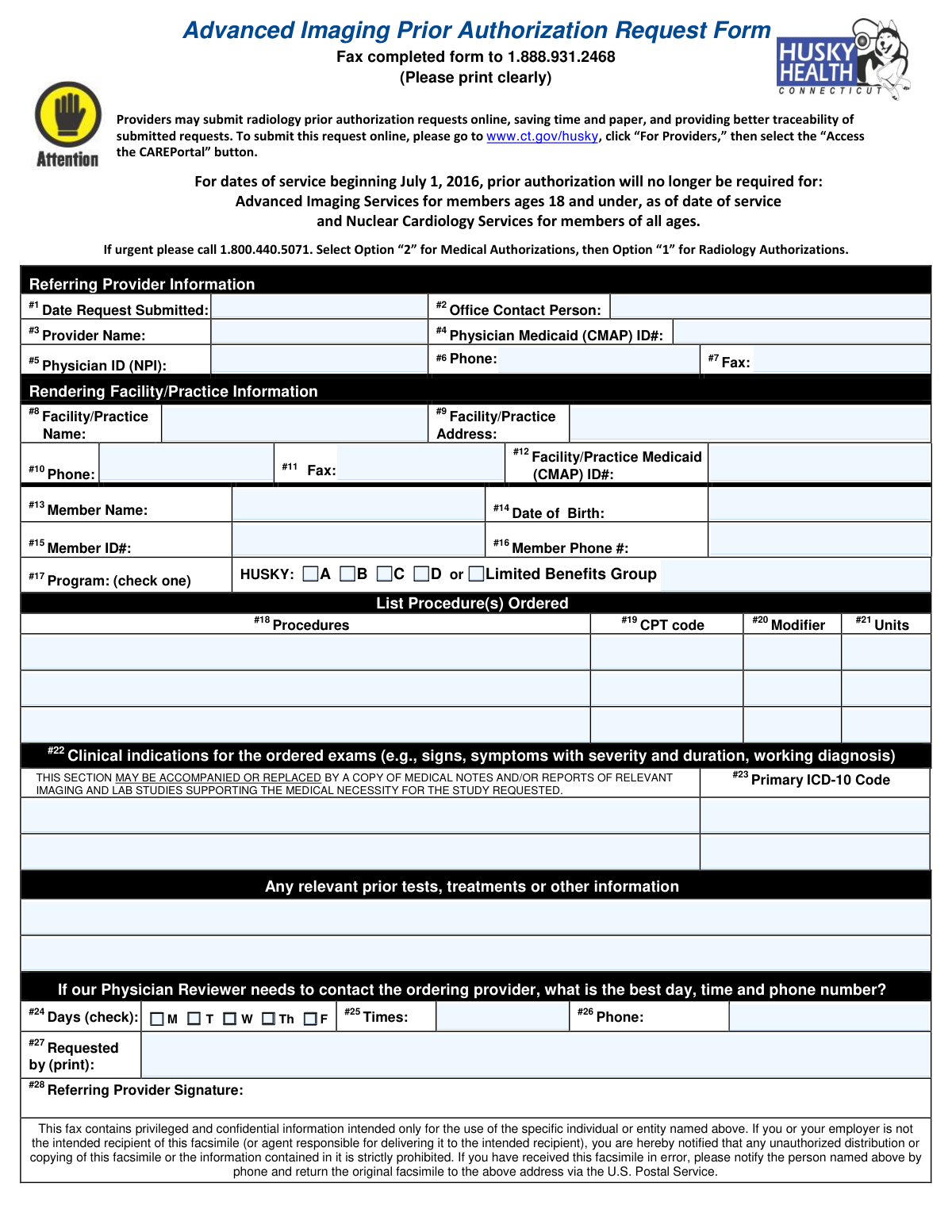
About insurance authorization forms
Typically, these forms are required by patients, policyholders, and medical providers when navigating complex insurance networks like Blue Cross Blue Shield or specialized group insurers like Aflac. For instance, a patient filing a Critical Illness Claim Form often needs to provide an Attending Physician’s Statement alongside a HIPAA Authorization to verify their medical history and eligibility. Similarly, providers often use inquiry forms or prior authorization requests to confirm coverage before administering care. Having the correct paperwork ready is vital for avoiding processing delays, preventing claim denials, and ensuring that financial reimbursements are handled efficiently.
Managing these multi-page documents can be time-consuming and prone to manual errors, but tools like Instafill.ai use AI to fill these insurance authorization forms in under 30 seconds while maintaining high standards of data accuracy and security. This approach simplifies the administrative process, allowing you to submit your documentation quickly and move forward with your claims or treatment plans.
Every form on this page can be completed without typing. Instafill is form filling software that reads a PDF and fills it for you — including flat and scanned documents that carry no fillable fields at all.
Forms in This Category
The forms in this category have a median Form Complexity Index of 60/100 (Moderate), measured across 8 forms by field count, input difficulty, length, conditional logic and structure. See how it is calculated.
- Enterprise-grade security & data encryption
- 99%+ accuracy powered by AI
- 1,000+ forms from all industries
- Complete forms in under 60 seconds
How to Choose the Right Form
Filing a Critical Illness Claim
If you are seeking benefits for a serious medical event under an Aflac Group policy, you likely need the Continental American Insurance Company (CAIC) / Aflac Group Critical Illness Claim Form. This is a comprehensive packet that combines several necessary documents into one file. Use this form if:
- You have a qualifying diagnosis: This form is specifically for events like heart attacks, strokes, or other major illnesses covered by CAIC.
- You need to provide medical proof: The packet includes the Attending Physician’s Statement, which your doctor must complete to substantiate the claim.
- You are authorizing record release: The included HIPAA Authorization allows the insurer to verify your medical history to process the payout.
- You want direct deposit: It contains an Electronic Funds Transaction (EFT) Authorization to speed up your reimbursement.
Prior Authorizations vs. Claim Forms
It is important to distinguish between requesting permission for a procedure and filing for a payout. If you are a healthcare provider or a patient seeking advance approval, you may be looking for a Prior Authorization Form (such as those for Western Sky or BC Complete). These are used before treatment begins, whereas the CAIC form is used after a diagnosis to claim insurance benefits.
Other Insurance & Tax Needs
If you are looking for documents related to different carriers or tax purposes, ensure you have the correct match for your provider:
- Blue Cross Blue Shield (BCBS): Look for specific carrier forms like BCBSIL forms, BCBSNC refund forms, or the Blue Vision Claim Form for specialized care.
- Dental Claims: Use the Protego Dental Claim Form for dental-specific reimbursements.
- Tax Verification: If you need proof of coverage for the IRS, look for the BCBSNC 1095 B or Horizon Blue 1095 documents.
Choosing the right form ensures your claim is processed without delays. If you are filing for a critical illness payout through Aflac Group, the CAIC packet is your primary tool.
Form Comparison
| Form | Primary Purpose | Required Documentation | Who Completes It |
|---|---|---|---|
| Continental American Insurance Company (CAIC) / Aflac Group Critical Illness Claim Form (with Attending Physician’s Statement, HIPAA Authorization to Obtain Information, and Electronic Funds Transaction Authorization) | Request benefit payments for policyholders after a qualifying critical illness diagnosis. | Physician statement, medical records, HIPAA release, and direct deposit information. | The policyholder or patient along with their treating medical physician. |
Tips for insurance authorization forms
Before you begin, collect all diagnostic reports, pathology results, and clinical notes related to your claim. Having these documents ready ensures that the information you provide matches your physician's records exactly, which reduces the likelihood of a request for more information.
Many insurance authorization packets include a section for an Attending Physician’s Statement. Send this portion to your doctor’s office as soon as possible, as medical providers often require several business days to complete and return these substantiating documents.
Forgetting the HIPAA release is one of the most common reasons for processing delays. This authorization is mandatory because it allows the insurance carrier to legally obtain the medical records needed to evaluate your eligibility for benefits.
Filling out lengthy medical forms can be overwhelming, but AI-powered tools like Instafill.ai can complete these documents in under 30 seconds with high accuracy. Your sensitive data stays secure during the process, making it a highly efficient solution for managing complex insurance paperwork.
To avoid waiting for a check in the mail, always complete the Electronic Funds Transaction (EFT) section if available. Providing your direct deposit information ensures that approved benefits are transferred to your bank account immediately after the claim is finalized.
A single typo in your policy or group ID number can lead to an automated rejection. Double-check these numbers against your insurance card or member portal to ensure your form is routed to the correct department for review.
Always save a digital or physical copy of the entire signed form and all attachments before submitting them to the insurer. This provides you with a reference point if you need to discuss the claim with a representative or if the documents are lost during transit.
Frequently Asked Questions
Insurance authorization forms are used to obtain permission from an insurer for specific medical treatments or to authorize the release of medical records for claim processing. They ensure that the insurance company has the necessary medical and legal documentation to verify eligibility and approve benefit payments.
The responsibility typically falls on the policyholder or the patient, though many forms require a section to be completed by a licensed healthcare provider. For example, a critical illness claim often necessitates an Attending Physician’s Statement to medically substantiate the diagnosis.
A HIPAA authorization is a legal requirement that allows the insurance company to access your protected health information from doctors and hospitals. Without this signed consent, the insurer cannot legally review the medical records needed to evaluate your claim or authorization request.
Yes, AI tools like Instafill.ai can fill out insurance authorization forms in under 30 seconds. These tools accurately extract data from your source documents and place it into the correct fields, reducing the time spent on manual data entry and minimizing the risk of errors.
While manually completing complex insurance packets can take 20 minutes or more, using AI-powered platforms can complete the process in less than a minute. AI technology automates the extraction and placement of information, allowing you to finalize and sign documents almost instantly.
Submitting an incomplete form usually results in processing delays or a formal denial of the claim. Insurers require all sections, including physician statements and signatures, to be finished before they can begin the review process.
Submission instructions vary by carrier, but most forms are sent to the insurance company's claims or prior authorization department via a secure online portal, fax, or mail. It is important to check the specific address or fax number listed on the form to ensure it reaches the correct department.
Many insurance authorization packets, such as those for critical illness or disability, include an Electronic Funds Transaction (EFT) section. By providing your banking details on this form, you can authorize the insurer to deposit approved funds directly into your account, which is faster than waiting for a check.
You should select the form that matches your specific insurance provider, such as Blue Cross Blue Shield, Aflac, or Wellmark, and the specific type of claim or request you are making. Using the wrong carrier's form will result in the request being rejected, so it is vital to use the official document provided for your specific policy.
In addition to the signed authorization form, you may need to provide diagnostic reports, hospital discharge summaries, or itemized billing statements. Providing these documents alongside the initial form helps the insurer's medical review team make a decision more quickly.
Generally, yes, as most prior authorizations are specific to a single procedure, date of service, or course of treatment. However, some long-term claim authorizations may cover a specific period of time, so you should consult your policy or the insurer's guidelines for recurring services.
Glossary
- Form Complexity Index
- Instafill’s 0–100 measure of how much effort a form takes to complete, calculated deterministically from the form’s own structure rather than estimated. It combines the number of fillable fields (the largest factor), how difficult those fields are to complete based on their type, the number of pages that contain fields, the amount of conditional “fill-only-if” logic, and how many sections the form is divided into, then adds modifiers for tables and repeating lists, bundled instruction pages, and dense page layouts. A higher score means the form is harder to fill out by hand. The forms in this category have a median Form Complexity Index of 60/100 (Moderate). See exactly how it is calculated.
- Prior Authorization
- A requirement by a health insurer for a patient to get approval before receiving a specific medical service or medication for it to be covered.
- HIPAA Authorization
- A legal document that grants permission for healthcare providers to share a patient's protected health information with insurance companies for claim evaluation.
- Attending Physician’s Statement (APS)
- A medical report completed by the treating doctor that provides clinical evidence of a diagnosis to substantiate an insurance claim.
- Critical Illness Coverage
- A specific type of insurance that pays out a lump sum upon the diagnosis of a serious condition, such as cancer, stroke, or heart attack.
- Form 1095-B
- A tax document provided by health insurance carriers to verify that an individual had the minimum essential health coverage required by law.
- Electronic Funds Transfer (EFT)
- A digital payment method that allows insurance companies to deposit claim benefits directly into a policyholder's bank account.
- Provider Inquiry
- A formal request submitted by a healthcare provider to an insurance company to verify benefit eligibility or resolve issues with a processed claim.
- Substantiation
- The process of providing medical records, lab results, or physician notes to prove that a medical event meets the criteria for insurance reimbursement.