Fill out house purchase contract
with AI.
A house purchase contract is one of the most important legal documents in any real estate transaction. It formalizes the agreement between a buyer and seller, outlining the purchase price, contingencies, closing date, and the rights and responsibilities of each party. Whether you're buying a single-family home, a condo, or an investment property, having the right contract in place protects everyone involved and helps ensure the transaction proceeds smoothly and legally.
By continuing, you acknowledge Instafill's Privacy Policy and agree to get occasional product update and promotional emails.
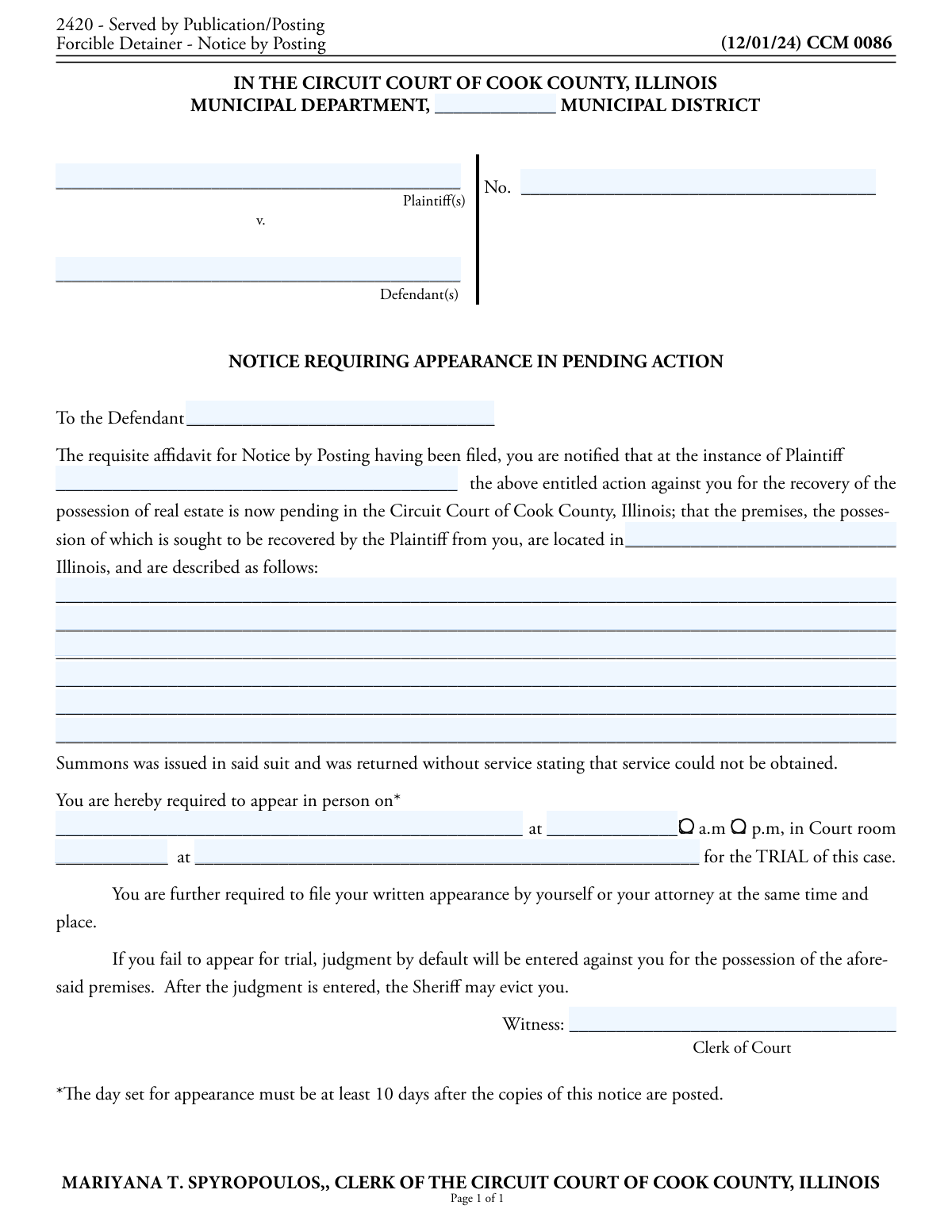
About house purchase contract
These forms are typically needed by homebuyers, sellers, real estate agents, and attorneys at various stages of the property transfer process. Common documents in this category include purchase and sale agreements, earnest money addendums, and disclosure forms — all of which must be completed accurately to avoid delays or legal complications. First-time buyers in particular often find navigating these documents overwhelming, given the volume of detail and legal language involved.
Tools like Instafill.ai use AI to fill these forms in under 30 seconds, helping buyers, sellers, and agents save time while ensuring the information entered is accurate and handled securely. Browse the forms listed on this page to find the specific house purchase contract documents you need.
Every form on this page can be completed without typing. Instafill is form filling software that reads a PDF and fills it for you — including flat and scanned documents that carry no fillable fields at all.
- Enterprise-grade security & data encryption
- 99%+ accuracy powered by AI
- 1,000+ forms from all industries
- Complete forms in under 60 seconds
How to Choose the Right Form
No Forms Currently Available
It looks like this category doesn't have any forms listed at the moment. Here's what you can do to find what you need:
Try searching directly for terms like:
- "real estate purchase agreement"
- "home sale contract"
- "residential purchase agreement"
- "property purchase contract"
What to Look For in a House Purchase Contract
When browsing for the right form, keep these use cases in mind:
- Buyer-initiated contracts — Used when a buyer is making an offer on a residential property. Look for forms labeled "Offer to Purchase" or "Purchase and Sale Agreement."
- Seller-prepared agreements — Some sellers draft their own contracts. Search for "For Sale By Owner (FSBO) Purchase Agreement" if no agent is involved.
- State-specific forms — Real estate contracts are often governed by state law. Look for forms that reference your specific state (e.g., "California Residential Purchase Agreement" or "Texas Real Estate Contract").
- As-Is purchase contracts — If the property is being sold without repairs, search for an "As-Is Residential Contract."
Tips While You Wait
- Check back soon — new forms are added regularly to Instafill.ai.
- Use the site's search bar to explore related categories like real estate agreements, property sales, or closing documents.
- If you need a form urgently, consider browsing related categories such as lease agreements or real estate contracts for similar documents.
Once forms are added to this category, you'll be able to fill them out online quickly using AI-powered assistance.
Form Comparison
| Form | Purpose | Who Files It | When to Use |
|---|---|---|---|
| House Purchase Contract | Legally bind buyer and seller in home sale | Buyer and seller, often with agent | When offering to purchase a residential property |
Tips for house purchase contract
House purchase contracts contain numerous fields for prices, dates, contingencies, and party details — leaving any blank can create legal ambiguity. Go through the entire document carefully before signing, and make sure every section is either filled in or explicitly marked as not applicable.
Errors in the property address, legal description, or the names of buyers and sellers are among the most common mistakes on purchase contracts. Even a small typo in these critical fields can cause delays at closing or require costly amendments.
Contingencies — such as financing, inspection, and appraisal clauses — protect you if certain conditions aren't met. Make sure you clearly understand what each contingency requires and what deadlines are attached, as missing a contingency deadline can put your earnest money at risk.
Purchase contracts reference multiple dates: offer expiration, inspection periods, closing dates, and more. Ensure all dates are consistent throughout the document and realistic given your lender's timeline, as conflicting dates can cause confusion and potential disputes.
AI-powered tools like Instafill.ai can complete house purchase contract forms in under 30 seconds with high accuracy, reducing the risk of manual entry errors. Your data stays secure throughout the process, making it a practical time-saver — especially when you're juggling multiple documents during a home purchase.
Disputes often arise over whether appliances, fixtures, or other items are included in the purchase price. Clearly list all included and excluded items in the appropriate section of the contract to avoid misunderstandings at closing.
Purchase contracts often go through multiple rounds of negotiation and amendments — always save a clearly labeled copy of each version. Keeping an organized record of all drafts and addenda protects you if any disputes arise later in the process.
Even if you fill out the contract yourself, having a licensed real estate agent or attorney review it before submission is a smart safeguard. They can catch issues that may not be obvious to a first-time buyer and ensure the contract complies with local requirements.
Frequently Asked Questions
A house purchase contract, also known as a real estate purchase agreement or sales contract, is a legally binding document between a buyer and seller that outlines the terms and conditions of a home sale. It typically includes the purchase price, closing date, contingencies, and responsibilities of each party. Once signed by both parties, it creates a legally enforceable obligation to complete the transaction.
Anyone buying or selling residential real estate needs a house purchase contract. This includes first-time homebuyers, experienced investors, sellers listing their property, and real estate agents acting on behalf of clients. The contract protects both parties by clearly documenting the agreed-upon terms before the transaction closes.
A standard house purchase contract includes the property address and legal description, the agreed purchase price, earnest money deposit amount, financing contingencies, inspection periods, and the expected closing date. It may also cover who pays certain closing costs, what personal property is included in the sale, and conditions under which either party can withdraw from the agreement.
Requirements vary by state — some states require a real estate attorney to be involved in the closing process, while others do not. Even where it is not legally required, consulting a real estate attorney or licensed agent before signing is strongly recommended, as a purchase contract is a significant legal and financial commitment.
An earnest money deposit is a sum of money the buyer pays upfront to demonstrate serious intent to purchase the property. While not always legally required, it is standard practice in most real estate transactions. The amount is typically applied toward the purchase price or closing costs at settlement, but may be forfeited if the buyer backs out without a valid contingency.
Contingencies are conditions that must be met for the sale to proceed — common examples include financing contingencies (the buyer must secure a mortgage), inspection contingencies (the home must pass a professional inspection), and appraisal contingencies (the property must appraise at or above the purchase price). If a contingency is not satisfied, either party may have the right to cancel the contract without penalty.
Yes — AI-powered tools like Instafill.ai can fill out house purchase contract forms in under 30 seconds by accurately extracting and placing information from your source documents. This reduces manual data entry errors and speeds up the preparation process significantly. However, you should always review the completed form carefully and consult a legal or real estate professional before signing.
Filling out a house purchase contract manually can take 30 minutes or more, depending on the complexity of the transaction. Using AI tools like Instafill.ai, the form can be populated in under 30 seconds by automatically extracting relevant data from documents you provide. You can then review, edit, and finalize the form before downloading or submitting it.
No — house purchase contracts vary significantly by state and sometimes by local market. Many state real estate associations provide standardized forms that are commonly used within that state, and certain disclosures or clauses may be legally required depending on your location. Always use a form that complies with the laws of the state where the property is located.
Once both the buyer and seller sign the contract, it becomes legally binding and the transaction enters the escrow or closing process. During this period, the buyer typically arranges financing, schedules a home inspection, and works toward satisfying any contingencies. The sale is finalized when all conditions are met and the deed is transferred at closing.
A signed purchase contract can sometimes be cancelled, but only under specific circumstances — usually when a contingency is not met, both parties mutually agree to cancel, or one party breaches the contract. Cancelling outside of these conditions can result in legal consequences, such as forfeiture of the earnest money deposit or even a lawsuit for specific performance.
A house purchase contract is typically not filed with a government agency — it is exchanged directly between the buyer and seller (or their agents) and often held in escrow by a title company or escrow officer. The deed transferring ownership is what gets recorded with the county recorder's office after closing. Keep a signed copy of the purchase contract for your records throughout the transaction.
Glossary
- Earnest Money Deposit
- A good-faith payment made by the buyer to show serious intent to purchase the property, typically held in escrow until closing and applied toward the purchase price.
- Contingency
- A condition that must be met before the sale can proceed, such as a satisfactory home inspection, financing approval, or the sale of the buyer's current home.
- Escrow
- A neutral third-party arrangement where funds and documents are held until all conditions of the purchase contract are fulfilled and the transaction can close.
- Closing Date
- The agreed-upon date when ownership of the property officially transfers from the seller to the buyer and all financial transactions are completed.
- Title
- The legal document proving ownership of a property; a clear title means the property is free of liens, disputes, or other claims that could affect the buyer's ownership.
- Prorations
- The division of ongoing property costs—such as property taxes, HOA fees, or utilities—between buyer and seller based on the closing date.
- HOA (Homeowners Association)
- An organization that governs a residential community and enforces rules and fees; purchase contracts often require disclosure of HOA dues and governing documents.
- Addendum
- A separate document attached to the main purchase contract that modifies, adds, or clarifies specific terms, such as repairs agreed upon after inspection.
- As-Is Clause
- A contract provision stating the buyer accepts the property in its current condition, with the seller making no repairs or price reductions for defects found during inspection.
- Lien
- A legal claim against a property by a creditor—such as a mortgage lender or unpaid contractor—that must typically be resolved before the property can be sold.