Fill out investment transfer forms
with AI.
Investment transfer forms serve as the essential administrative bridge between financial institutions, facilitating the movement of assets—such as stocks, mutual funds, or cash—from one brokerage or retirement account to another. This category is vital because it ensures that wealth is transitioned without triggering unnecessary tax penalties or liquidating positions at disadvantageous times. Whether you are performing a direct rollover or a 1035 exchange, these documents provide the formal authorization needed for firms like Fidelity, Morgan Stanley, or TIAA to release and receive funds securely, maintaining the continuity of your investment strategy.
By continuing, you acknowledge Instafill's Privacy Policy and agree to get occasional product update and promotional emails.
About investment transfer forms
Most individuals encounter these forms during significant life transitions, such as changing employers or consolidating a portfolio for retirement. For example, a new hire might use a Fidelity Transfer/Rollover/Exchange Form to move assets from a previous 401(k) into a current plan, while another investor might require an Electronic Funds Transfer (EFT) Authorization to automate movements between their bank and brokerage. These forms are also critical for specialized accounts, such as transferring HSA funds to a brokerage platform for better growth potential. Accurate completion is necessary to prevent delays caused by incorrect account numbers or missing signatures.
Managing the technical details of DTC numbers and routing information can be time-consuming and prone to manual error. Tools like Instafill.ai use AI to fill these investment transfer forms in under 30 seconds, handling complex data accurately and securely to help you complete your financial transitions more efficiently.
Every form on this page can be completed without typing. Instafill is form filling software that reads a PDF and fills it for you — including flat and scanned documents that carry no fillable fields at all.
Forms in This Category
The forms in this category have a median Form Complexity Index of 51/100 (Moderate), measured across 13 forms by field count, input difficulty, length, conditional logic and structure. See how it is calculated.
| Form Name | Pages | FCI | |
|---|---|---|---|
| 1. | Computershare Alternative Investment Product Transfer Request | 1 | Complex 65 |
| 2. | Electronic Funds Transfer (EFT) Authorization | 4 | Basic 41 |
| 3. | Fidelity Investments Standing Transfer Instructions Form | 1 | Basic 33 |
| 4. | Fidelity Investments Transfer/Rollover Form | 1 | – |
| 5. | Fidelity Investments Transfer/Rollover/Exchange Form | 1 | – |
| 6. | Fidelity Transfer/Rollover/Exchange Form | 6 | Moderate 52 |
| 7. | Fidelity Transfer/Rollover/Exchange Form | 6 | Moderate 53 |
| 8. | How to Transfer Assets from Morgan Stanley to Fidelity Investments (Fidelity Stock Plan Services Guide) | 1 | – |
| 9. | HSA Bank Investment Account Transfer Form | 1 | Basic 36 |
| 10. | Pershing LLC Account Transfer Form | 1 | Moderate 51 |
| 11. | Thrivent Funds Transfer of Assets, Form MF11502 | 1 | Moderate 50 |
| 12. | TIAA 1035 Exchange Authorization to Alternate Investment Company Transfer Payout Annuity for ATRA | 1 | – |
| 13. | U.S. Bancorp Investments Account Transfer Form | 1 | Moderate 59 |
- Enterprise-grade security & data encryption
- 99%+ accuracy powered by AI
- 1,000+ forms from all industries
- Complete forms in under 60 seconds
How to Choose the Right Form
Selecting the correct investment transfer form depends primarily on the type of account you are moving, the institutions involved, and whether you are transferring cash or securities. Use the following categories to identify the right document for your needs.
Consolidating Retirement Accounts into Fidelity
If you are moving assets from a previous employer-sponsored plan (like a 401(k), 403(b), or 457(b)) or an IRA into a Fidelity employer-sponsored retirement account, you will need the Fidelity Investments Transfer/Rollover/Exchange Form.
- For General Rollovers: The standard Fidelity Investments Transfer/Rollover Form supports both direct and indirect (60-day) rollovers.
- For Stock Plans: If you specifically need to move restricted stock awards or equity compensation from another broker, refer to the How to Transfer Assets from Morgan Stanley to Fidelity Investments (Fidelity Stock Plan Services Guide) for step-by-step instructions and required authorization letters.
Setting Up Recurring or Standing Transfers
If your goal is to automate the movement of funds rather than performing a one-time account consolidation, look for authorization forms:
- Bank Transfers: Use the Fidelity Investments Electronic Funds Transfer (EFT) Authorization Form to link an external bank account for routine cash moves.
- Internal Fidelity Transfers: If you need to move cash or shares between different Fidelity accounts owned by different people, use the Fidelity Investments Standing Transfer Instructions Form. Note that this often requires a Medallion signature guarantee.
Specialized Asset Transfers (HSA and Annuities)
For accounts that are not standard brokerage or retirement plans, specific tax-compliant forms are required:
- Health Savings Accounts: To move cash or securities from an existing HSA to a Schwab Health Savings Brokerage Account, use the HSA Bank Investment Account Transfer Form.
- Annuity Exchanges: To move TIAA Traditional account balances to a different investment company without triggering a tax penalty, use the TIAA 1035 Exchange Authorization to Alternate Investment Company Transfer Payout Annuity for ATRA.
Tips for investment transfer forms
When initiating a transfer or rollover, verify that the receiving account type is identical to the sending account, such as moving a Traditional IRA to another Traditional IRA. Mixing different tax-advantaged account types without professional guidance can lead to unintended tax consequences or rejected transfer requests.
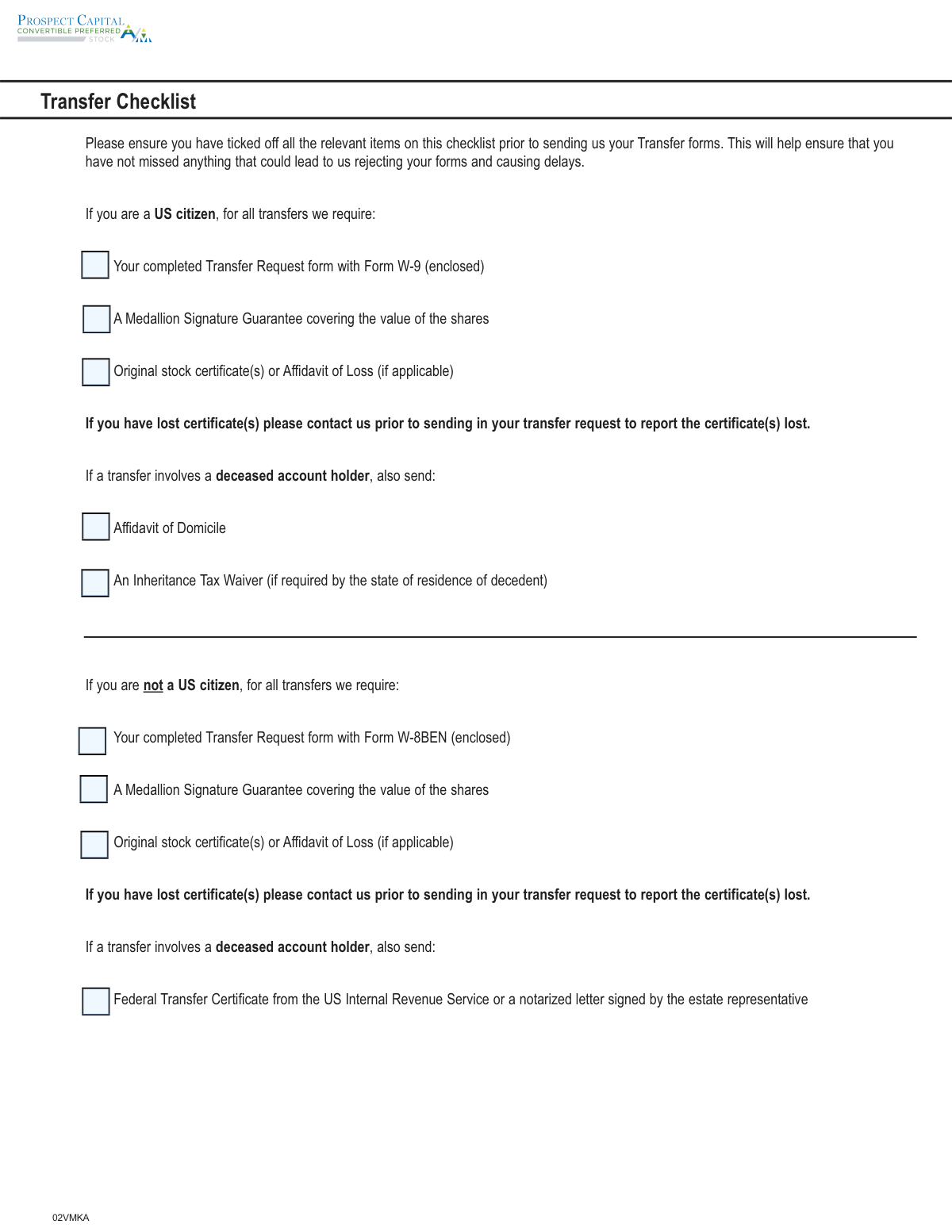
Many high-value investment transfers require a Medallion Signature Guarantee rather than a standard notary. Check the form instructions immediately; if this is required, you will need to visit a physical bank or brokerage branch in person to obtain the specific security stamp before submitting.
Before you begin, locate the Depository Trust Company (DTC) number for the sending firm and the routing number for your bank. Providing these specific institutional identifiers alongside your account numbers is the most effective way to prevent assets from being misdirected during the transfer process.
Dealing with multiple financial documents can be tedious, but AI-powered tools like Instafill.ai can complete these forms in under 30 seconds with high accuracy. This technology ensures your data stays secure during the process and eliminates the manual effort of re-typing account details across several different PDF forms.
When moving stocks or mutual funds between brokerages, always check that your cost basis information is transferred along with the assets. If this data is lost during the transition, you may have difficulty calculating capital gains or losses for your tax filings in the future.
If you are transferring funds from a 401(k) or 403(b), contact your current plan administrator to see if they require their own specific 'distribution' paperwork in addition to the receiving firm's 'transfer' form. Some employer plans have unique blackout periods or authorization steps that must be cleared before assets can move.
When setting up standing instructions for recurring transfers or EFTs, ensure the names on both accounts are compatible. If you are transferring to a third-party account or an account with a different registration name, additional indemnification signatures are often required to prevent fraud.
Frequently Asked Questions
Investment transfer forms are used to legally authorize the movement of assets, such as stocks, bonds, or cash, from one financial institution to another. These forms ensure that the receiving firm has the necessary details to request the assets on your behalf while maintaining the tax-advantaged status of retirement accounts.
You should use a Transfer or Rollover form when moving entire account balances or specific securities between investment firms, such as moving an old 401(k) to a new IRA. Electronic Funds Transfer (EFT) forms are typically reserved for setting up recurring or one-time cash movements between a brokerage account and a standard personal bank account.
A Medallion Signature Guarantee is a certification stamp provided by a financial institution that confirms the authenticity of a signature and the signer's authority. Many investment transfer forms require this for security purposes, especially when transferring high-value assets or moving funds to an account with a different name.
Yes, you can use AI-powered tools like Instafill.ai to complete these forms by automatically extracting data from your existing financial statements. This technology ensures that complex information, such as account numbers and institutional routing details, is accurately placed into the correct fields without manual typing.
Using AI tools, you can typically complete a complex investment transfer form in under 30 seconds. The AI quickly identifies and maps data from your source documents to the PDF, significantly reducing the time spent on manual data entry and minimizing the risk of errors that could delay your transfer.
You will generally need a recent statement from your current investment provider, your new account number at the receiving institution, and a government-issued ID. Having these documents ready allows you or an AI tool to quickly find the account titles, clearing numbers, and asset descriptions required for the transfer.
Most completed forms should be submitted to the receiving institution, as they are responsible for initiating the 'pull' of assets from your old provider. Depending on the firm's requirements, you may be able to upload the signed PDF through a secure portal, though forms requiring a Medallion Signature Guarantee often must be sent via physical mail.
A 1035 exchange is a tax-free transfer of funds from one annuity or life insurance policy to another, as permitted by Section 1035 of the Internal Revenue Code. Specific authorization forms are required for this process to ensure the transfer is reported correctly to the IRS and does not trigger an unintended tax liability.
To move shares from a stock plan, you generally need to provide a Letter of Authorization or a specific transfer guide that includes the receiving firm's DTC number. This ensures the shares are moved electronically through the Depository Trust Company system and that your cost basis information is correctly updated at the new firm.
In many cases, you can list multiple source accounts on a single rollover or transfer form if they are all being moved to the same destination account at the same institution. However, if the source accounts are different types—such as a 403(b) and a Roth IRA—you may need separate forms to ensure the assets are credited to the appropriate account types.
Glossary
- Form Complexity Index
- Instafill’s 0–100 measure of how much effort a form takes to complete, calculated deterministically from the form’s own structure rather than estimated. It combines the number of fillable fields (the largest factor), how difficult those fields are to complete based on their type, the number of pages that contain fields, the amount of conditional “fill-only-if” logic, and how many sections the form is divided into, then adds modifiers for tables and repeating lists, bundled instruction pages, and dense page layouts. A higher score means the form is harder to fill out by hand. The forms in this category have a median Form Complexity Index of 51/100 (Moderate). See exactly how it is calculated.
- Rollover
- The process of moving assets from one retirement plan, such as a 401(k) or 403(b), into another qualified retirement account or IRA without incurring immediate taxes.
- Medallion Signature Guarantee
- A special certification stamp used by financial institutions that confirms a signature is genuine and that the institution accepts liability for any forgery; it is more rigorous than a standard notary seal.
- 1035 Exchange
- A tax-free transfer of an existing annuity or life insurance contract for a new one, as permitted under Section 1035 of the Internal Revenue Code.
- Cost Basis
- The original value or purchase price of an asset, which is used by the IRS to calculate capital gains or losses when the investment is eventually sold.
- DTC Number
- A unique four-digit identification number assigned to financial institutions to facilitate the electronic clearing and settlement of securities transfers between brokerages.
- Direct Rollover
- A transfer where retirement funds are sent directly from the current plan administrator to the new provider, preventing the account holder from being taxed or penalized.
- Standing Instructions
- Pre-authorized, ongoing permissions granted to a financial institution to move money or assets between specific accounts whenever a request is initiated without needing a new form each time.
- Electronic Funds Transfer (EFT)
- A digital method of moving money from one bank account to another, commonly used for recurring deposits or withdrawals between a brokerage and a personal checking account.