Fill out tax relief forms
with AI.
Tax relief forms represent a critical category of documentation designed to help individuals and businesses mitigate financial burdens or resolve complex issues with tax authorities. These forms are essential for those seeking to protect their rights, claim legitimate rebates, or request assistance when standard communication channels have failed. By properly utilizing these documents, taxpayers can address economic hardships, correct administrative errors, and ensure they are not paying more than they legally owe.
By continuing, you acknowledge Instafill's Privacy Policy and agree to get occasional product update and promotional emails.
About tax relief forms
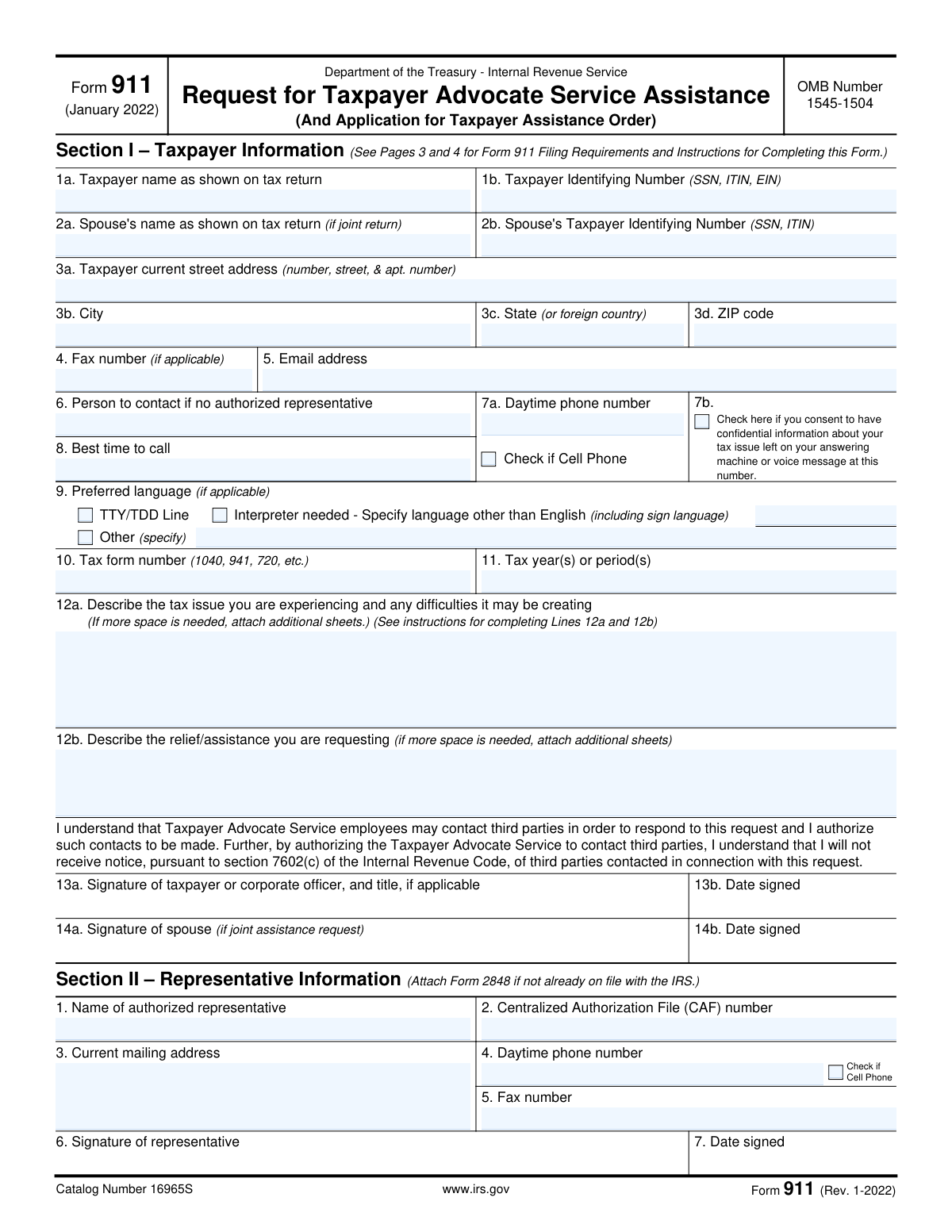
This category is particularly relevant for employees looking to recoup work-related costs and taxpayers facing significant distress from unresolved IRS issues. For example, documents like Form 911 allow individuals to request intervention from the Taxpayer Advocate Service, while forms like the P87 enable employees to claim relief for expenses such as business mileage or professional subscriptions. Whether you are applying for an extension, seeking a transcript, or filing for a specific tax rebate, these forms provide the necessary structure to communicate your financial situation clearly to the government.
Navigating the nuances of tax paperwork can be a daunting task, but digital tools have made the process significantly more efficient. Tools like Instafill.ai use AI to fill these forms in under 30 seconds, handling your data accurately and securely so you can focus on resolving your tax matters without the stress of manual data entry.
Every form on this page can be completed without typing. Instafill is form filling software that reads a PDF and fills it for you — including flat and scanned documents that carry no fillable fields at all.
Forms in This Category
The forms in this category have a median Form Complexity Index of 48/100 (Moderate), measured across 3 forms by field count, input difficulty, length, conditional logic and structure. See how it is calculated.
| Form Name | Pages | FCI | |
|---|---|---|---|
| 1. | Form 911, Request for Taxpayer Advocate Service Assistance (And Application for Taxpayer Assistance Order) | 4 | Moderate 48 |
| 2. | P87: Tax relief for expenses of employment | 8 | Complex 73 |
| 3. | Tax Relief Programs - Complaint Form (CN 11017) | 1 | Basic 33 |
- Enterprise-grade security & data encryption
- 99%+ accuracy powered by AI
- 1,000+ forms from all industries
- Complete forms in under 60 seconds
How to Choose the Right Form
The term "tax relief" covers a broad range of situations, from resolving financial hardships with the government to claiming back money spent on work-related expenses. To choose the right document from this category, you first need to identify which tax authority you are dealing with and the nature of your request.
For US Taxpayers (IRS): Hardship and Advocacy
If you are dealing with the Internal Revenue Service and have hit a dead end with standard irs paperwork, you likely need Form 911, Request for Taxpayer Advocate Service Assistance.
Choose Form 911 if:
- You face economic harm: You are experiencing significant financial distress and need the IRS to stop an action like a levy or lien.
- Standard channels failed: You have tried to resolve a problem through normal irs tax forms and procedures but have received no response or a delayed response.
- You need an advocate: You want to request help from the Taxpayer Advocate Service (TAS), an independent body within the IRS that helps protect your rights.
For UK Taxpayers (HMRC): Employment Expenses
If you are an employee in the United Kingdom looking to reduce your tax bill based on out-of-pocket costs, you should use Form P87: Tax relief for expenses of employment.
Choose Form P87 if:
- You have work expenses: You have spent your own money on allowable costs like professional subscriptions, specialist clothing, or business mileage.
- You aren't reimbursed: Your employer has not paid you back for these costs.
- The amount is under £2,500: This form is specifically for claims below this threshold; larger amounts typically require a full Self Assessment tax return.
Summary Comparison
- Select Form 911 for crisis management and advocacy regarding irs forms in the United States.
- Select Form P87 for routine employment expense claims with HMRC in the United Kingdom.
Using Instafill.ai, you can quickly complete these tax relief forms by utilizing our AI-powered tools to ensure every field is filled accurately before submission.
Form Comparison
| Form | Tax Authority | Primary Objective | Filing Trigger |
|---|---|---|---|
| Form 911, Request for Taxpayer Advocate Service Assistance (And Application for Taxpayer Assistance Order) | Internal Revenue Service (IRS), United States. | To seek assistance with unresolved tax problems causing financial hardship or systemic issues. | When normal IRS channels fail to resolve a significant or urgent tax-related problem. |
| P87: Tax relief for expenses of employment | HM Revenue and Customs (HMRC), United Kingdom. | To claim tax relief for allowable employment expenses paid out-of-pocket by the employee. | When an employee has unreimbursed work costs such as travel, tools, or professional fees. |
Tips for tax relief forms
Tax relief forms often require proof of financial hardship or specific employment expenses. Ensure you have bank statements, receipts, or correspondence from tax authorities ready to upload to avoid processing delays or follow-up requests.
Since tax relief programs like Form 911 (US) and P87 (UK) serve different regions, ensure you are using the correct form for your specific tax authority. Reviewing the specific eligibility requirements beforehand prevents you from filing unnecessary paperwork.
AI-powered tools like Instafill.ai can complete these complex forms in under 30 seconds with high accuracy. Your sensitive financial data stays secure during the process, making it a reliable way to manage multiple relief filings quickly and efficiently.
Simple errors in your Social Security number, National Insurance number, or the tax year can lead to immediate rejection. Always verify these basic details against your official records before finalizing your submission.
For employment-related relief, maintain a digital folder of mileage logs, professional fees, and uniform costs throughout the year. Having a clear audit trail makes it much easier to justify the figures you enter on your claim forms.
When requesting assistance for unresolved tax issues, be specific about the economic harm you are facing. Use clear language to describe how the situation impacts your ability to meet basic living expenses or business obligations.
Frequently Asked Questions
Tax relief forms are designed to help taxpayers reduce their overall tax liability or seek professional assistance when facing financial hardship. These documents allow individuals to claim deductions for work-related expenses or request intervention from independent advocacy services when standard tax channels fail.
You should file Form 911 if you are experiencing significant economic harm or if your tax issues haven't been resolved through normal IRS procedures. This form requests help from the Taxpayer Advocate Service, which acts as an independent voice to ensure your taxpayer rights are protected.
Form P87 is intended for employees in the UK who need to claim tax relief on allowable job-related expenses that their employer hasn't reimbursed. This typically includes costs for professional subscriptions, business travel mileage, and specialized clothing or tools required for your role.
Yes, AI tools like Instafill.ai can fill out these forms in under 30 seconds by accurately extracting data from your source documents and placing it into the correct fields. This technology simplifies the process and helps ensure that complex forms are completed without manual entry errors.
While manual completion can take significant time, using an automated service allows you to finish most tax relief forms almost instantly. AI-powered platforms can process your information and generate a ready-to-file document in less than half a minute.
Taxpayers can use the IRS Direct Pay system on the official IRS website to pay federal taxes or estimated tax payments directly from a bank account. This is a secure method to ensure your payments are credited correctly and on time without relying on physical mail.
You can request your records through the official IRS transcript website to review your tax history or verify income for financial applications. These transcripts provide a summary of your tax return and are often required when applying for specific types of tax relief or loans.
Form 1095-C provides details about health insurance coverage provided by an employer, while Form 5498 reports your IRA contributions. Both are essential for accurately calculating your tax obligations and ensuring you receive any relief or credits you are entitled to.
You should gather all supporting evidence, such as receipts for employment expenses, proof of income, and any previous IRS correspondence. Having these digital documents ready allows AI tools to more effectively extract the necessary data to populate your forms accurately.
Submission instructions vary by form; for instance, Form 911 is typically sent to the Taxpayer Advocate Service office in your state, while P87 is submitted to HMRC. Most authorities now offer electronic submission portals, though some specific relief requests may still require mailing to a designated service center.
While standard tax returns have specific extension processes via the IRS website, relief forms like Form 911 are usually filed as needed when a hardship occurs. It is important to remember that an extension to file a return does not grant an extension to pay any taxes that are already due.
Glossary
- Form Complexity Index
- Instafill’s 0–100 measure of how much effort a form takes to complete, calculated deterministically from the form’s own structure rather than estimated. It combines the number of fillable fields (the largest factor), how difficult those fields are to complete based on their type, the number of pages that contain fields, the amount of conditional “fill-only-if” logic, and how many sections the form is divided into, then adds modifiers for tables and repeating lists, bundled instruction pages, and dense page layouts. A higher score means the form is harder to fill out by hand. The forms in this category have a median Form Complexity Index of 48/100 (Moderate). See exactly how it is calculated.
- Tax Relief
- A reduction in your total tax liability, often achieved through deductions, credits, or special programs for taxpayers facing financial hardship.
- HMRC
- Her Majesty's Revenue and Customs, the United Kingdom government department responsible for the collection of taxes and the administration of work-related expense claims.
- Taxpayer Advocate Service (TAS)
- An independent organization within the IRS that helps taxpayers resolve issues they haven't been able to fix through normal channels and protects their rights.
- Allowable Expenses
- Specific work-related costs, such as business mileage or professional uniforms, that the tax authority permits you to subtract from your income to lower your tax bill.
- Tax Transcript
- A summary of your tax return information provided by the IRS, often required by lenders or government agencies to verify your income and filing history.
- EIN (Employer Identification Number)
- A unique nine-digit number assigned by the IRS to identify businesses, trusts, and estates for tax filing and reporting purposes.
- Economic Harm
- A specific level of financial distress, such as being unable to pay for basic necessities or facing immediate collection action, used to qualify for emergency IRS assistance.
- Taxpayer Assistance Order (TAO)
- A formal order issued by the Taxpayer Advocate Service that requires the IRS to take action, or stop an action, to prevent a taxpayer from suffering significant hardship.