Fill out university retirement forms
with AI.
University retirement forms are essential documents for academic and administrative staff managing their long-term financial security. These forms cover a wide range of actions, from initiating required minimum distributions (RMDs) to consolidating assets across different investment providers. Because university retirement systems often involve complex pension plans, 403(b) accounts, or Optional Retirement Programs (ORP), having the correct paperwork is vital for ensuring that funds are handled according to federal regulations and institutional policies.
By continuing, you acknowledge Instafill's Privacy Policy and agree to get occasional product update and promotional emails.
About university retirement forms
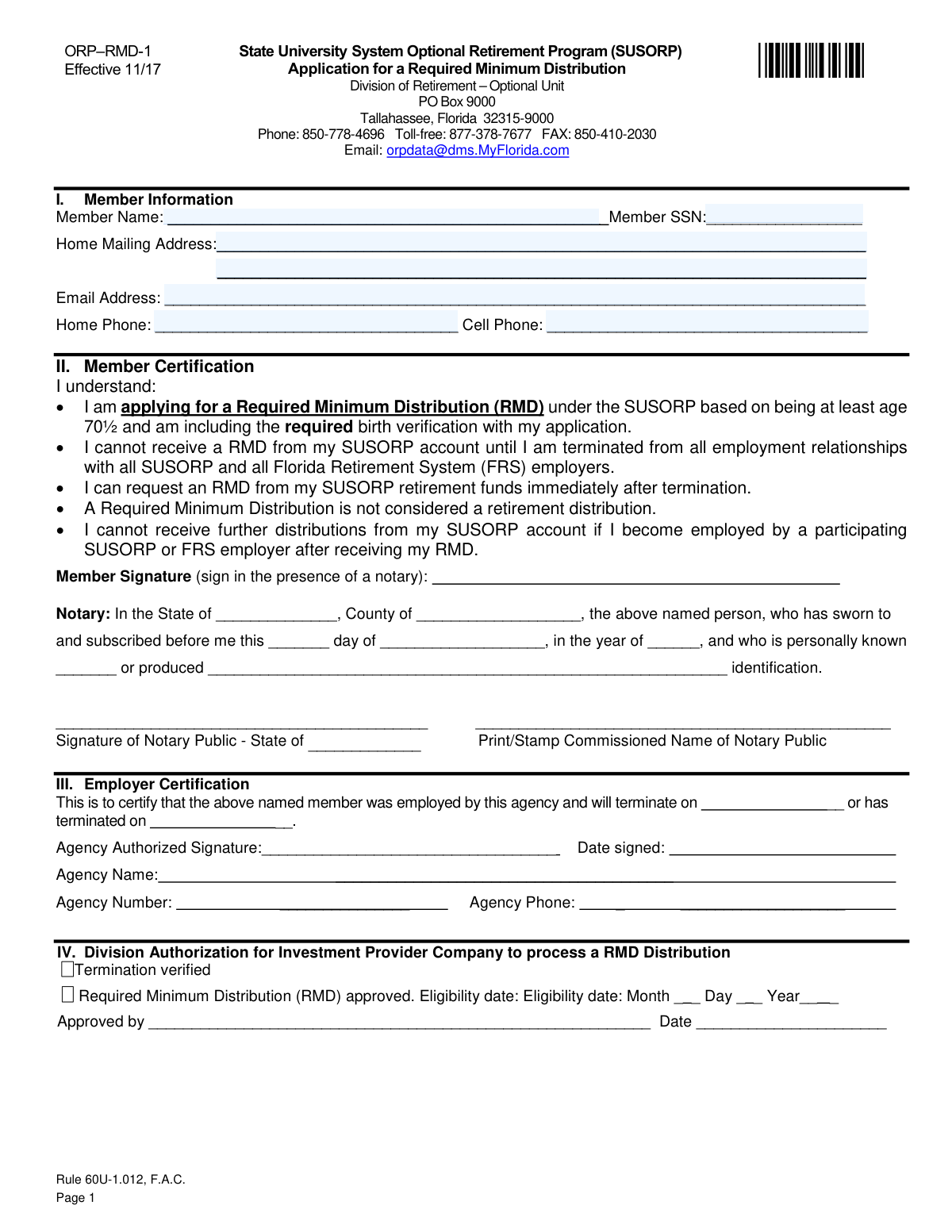
These forms are typically used by individuals at various stages of their careers. Former employees might need an Application for a Required Minimum Distribution (such as Form ORP-RMD-1) once they reach the age of 70½, while current employees might use an Asset Transfer Authorization to move funds into a consolidated plan. Whether you are transitioning out of a state university system or managing a private university retirement plan, these documents ensure your instructions are legally binding and processed correctly by plan administrators.
Navigating these complex PDFs can be time-consuming and prone to manual error. Tools like Instafill.ai use AI to fill these forms in under 30 seconds while maintaining high standards for data accuracy and security, helping you finalize your retirement logistics efficiently.
Every form on this page can be completed without typing. Instafill is form filling software that reads a PDF and fills it for you — including flat and scanned documents that carry no fillable fields at all.
Forms in This Category
- Enterprise-grade security & data encryption
- 99%+ accuracy powered by AI
- 1,000+ forms from all industries
- Complete forms in under 60 seconds
How to Choose the Right Form
Choosing the correct university retirement form depends primarily on your specific institution and whether you are looking to move funds between providers or begin mandatory withdrawals. Because retirement plans are highly regulated and employer-specific, using the wrong document can lead to processing delays or tax implications.
Florida State University System (SUSORP)
If you are a former employee of a Florida state university and need to comply with IRS regulations regarding mandatory withdrawals, you likely need Form ORP-RMD-1, State University System Optional Retirement Program (SUSORP) Application for a Required Minimum Distribution.
- Use this form if: You are at least 70½ years old and have officially terminated employment with all SUSORP and Florida Retirement System (FRS) employers.
- Purpose: To request your Required Minimum Distribution (RMD) from your SUSORP account to avoid IRS penalties.
Emory University Retirement Plan
For those affiliated with Emory University who are looking to consolidate their retirement savings or change investment providers, the Vanguard Asset Transfer Authorization Form for the Emory University Retirement Plan is the correct choice.
- Use this form if: You currently have 403(b) account assets held with a different investment company and wish to move those funds into The Vanguard Group.
- Purpose: To authorize the direct transfer of assets to Vanguard’s investment options specifically within the Emory University plan framework.
Key Considerations for Selection
To ensure you pick the right document, consider the following:
- Institution Identity: University retirement plans are not interchangeable. Ensure the form matches your specific university system (e.g., Florida SUS vs. Emory).
- Action Required: Determine if you are withdrawing funds due to age requirements (Form ORP-RMD-1) or simply transferring them to a new manager to consolidate your portfolio (Vanguard Asset Transfer Authorization Form).
- Employment Status: Most distribution forms require you to have separated from service, whereas transfer forms can often be used by active employees looking to streamline their accounts.
Form Comparison
| Form | Primary Purpose | Eligible Participants | Key Action |
|---|---|---|---|
| Form ORP-RMD-1, State University System Optional Retirement Program (SUSORP) Application for a Required Minimum Distribution | Requesting mandatory minimum distributions from a state university retirement account. | Former Florida State University System employees age 70½ and older. | Confirming termination of employment and reaching the required age for distribution. |
| Vanguard Asset Transfer Authorization Form for the Emory University Retirement Plan | Consolidating or transferring 403(b) retirement assets into a Vanguard account. | Participants in the Emory University Retirement Plan moving funds from other providers. | Authorizing the transfer of existing retirement assets to a new investment company. |
Tips for university retirement forms
Before submitting retirement distribution or transfer forms, ensure your termination status is officially updated in the university system. Many plans, such as the SUSORP, require complete separation from all participating employers before funds can be released or moved.
A common mistake is providing the wrong account number or plan ID when consolidating assets. Always verify these details against your most recent statement to prevent the transfer from being rejected by the receiving institution.
AI-powered tools like Instafill.ai can complete these complex retirement forms in under 30 seconds with high accuracy. Using these tools ensures that your data stays secure while saving you the time and effort of manual entry across multiple documents.
For Required Minimum Distribution (RMD) forms, verify that you meet the specific age threshold required by the plan. Filing these forms before you reach the mandatory age or before your employment has officially ended can lead to automatic denials.
Some university retirement plans or investment providers require a Medallion Signature Guarantee or a Notary seal for high-value asset transfers. Check the instructions for each form to see if a physical signature or additional authentication is necessary before submission.
Always save a copy of your completed forms and any confirmation receipts provided by the university or the investment firm. Having these records organized digitally makes it much easier to track the progress of your funds and resolve any potential discrepancies later.
Frequently Asked Questions
University retirement forms are legal documents used by faculty and staff to manage their pension, 403(b), or optional retirement program accounts. They facilitate actions such as requesting distributions, transferring assets between providers, or updating beneficiary information within a specific academic institution's retirement system.
These forms are generally required by current or former employees of higher education institutions who participate in state-sponsored or private university retirement plans. Eligibility often depends on employment status, age, or specific plan participation, such as the Florida State University System or Emory University.
Selecting the right form depends on your specific goal, such as initiating a rollover, changing investment providers, or taking a mandatory distribution. You should verify your current plan administrator and the specific university system you are affiliated with to ensure you use the correct institutional document.
An RMD form is required when you reach a certain age—typically 73 under current federal guidelines—and must begin taking withdrawals from your tax-deferred retirement account. For example, former employees in the Florida State University System use specific RMD applications to satisfy these federal requirements once they have terminated employment.
Asset transfer forms are used when a participant wants to move their retirement funds from one investment company to another within their university's plan. This is common for consolidating accounts under a single provider like Vanguard to simplify management and potentially lower administrative fees.
Completed forms are usually submitted to the university's Human Resources department or directly to the retirement plan provider, such as Vanguard or the state retirement system. It is important to check the specific instructions on the form, as some may require digital submission while others necessitate physical mailing or faxing.
Yes, you can fill out university retirement forms using AI tools like Instafill.ai. These tools can accurately extract data from your source documents and place it into the correct fields in under 30 seconds, significantly reducing the risk of manual entry errors.
While traditional manual completion can take 15 to 20 minutes, using AI-powered services can complete the process in less than 30 seconds. The technology automates the data entry process by extracting information from your existing documents and populating the PDF fields instantly.
Many university retirement forms require a signature, and some may specifically require a notary public to witness the signing, especially for distributions or asset transfers. You should review the 'Authorization' or 'Signatures' section of your document to see if a formal notarization or a Medallion Signature Guarantee is mandatory.
Before you begin, gather your social security number, account numbers for your current retirement plan, and details about the receiving institution if you are doing a transfer. Having your employment dates and current contact information ready will ensure the form is completed accurately without interruptions.
Yes, university retirement plans often allow for the consolidation of various accounts into a single preferred provider through transfer authorization forms. This process helps participants streamline their investment strategy and makes it easier to track retirement savings across different stages of their academic career.
Glossary
- Required Minimum Distribution (RMD)
- The minimum amount you must withdraw from your retirement account each year once you reach a specific age, as mandated by IRS tax laws.
- 403(b) Plan
- A retirement savings plan for employees of public schools and certain tax-exempt organizations, similar to a 401(k) but specific to educational and non-profit institutions.
- Optional Retirement Program (ORP)
- A defined contribution retirement plan offered by many state university systems as an alternative to the traditional state pension or retirement system.
- Asset Transfer
- The process of moving retirement funds directly from one investment provider to another without taking a cash distribution, typically to consolidate accounts.
- Florida Retirement System (FRS)
- The retirement program covering employees of various Florida government agencies, including state universities, which offers both pension and investment plan options.
- Direct Rollover
- A transaction where retirement plan assets are paid directly from your current plan to a new eligible retirement plan or IRA to maintain tax-deferred status.
- Vesting
- The process by which an employee earns non-forfeitable rights to the retirement employer-contributed funds, usually based on completing a specific length of service.
- Tax-Deferred
- A status where investment earnings and contributions are not taxed until they are withdrawn from the account, allowing the balance to grow faster.