Fill out resale certificate forms
with AI.
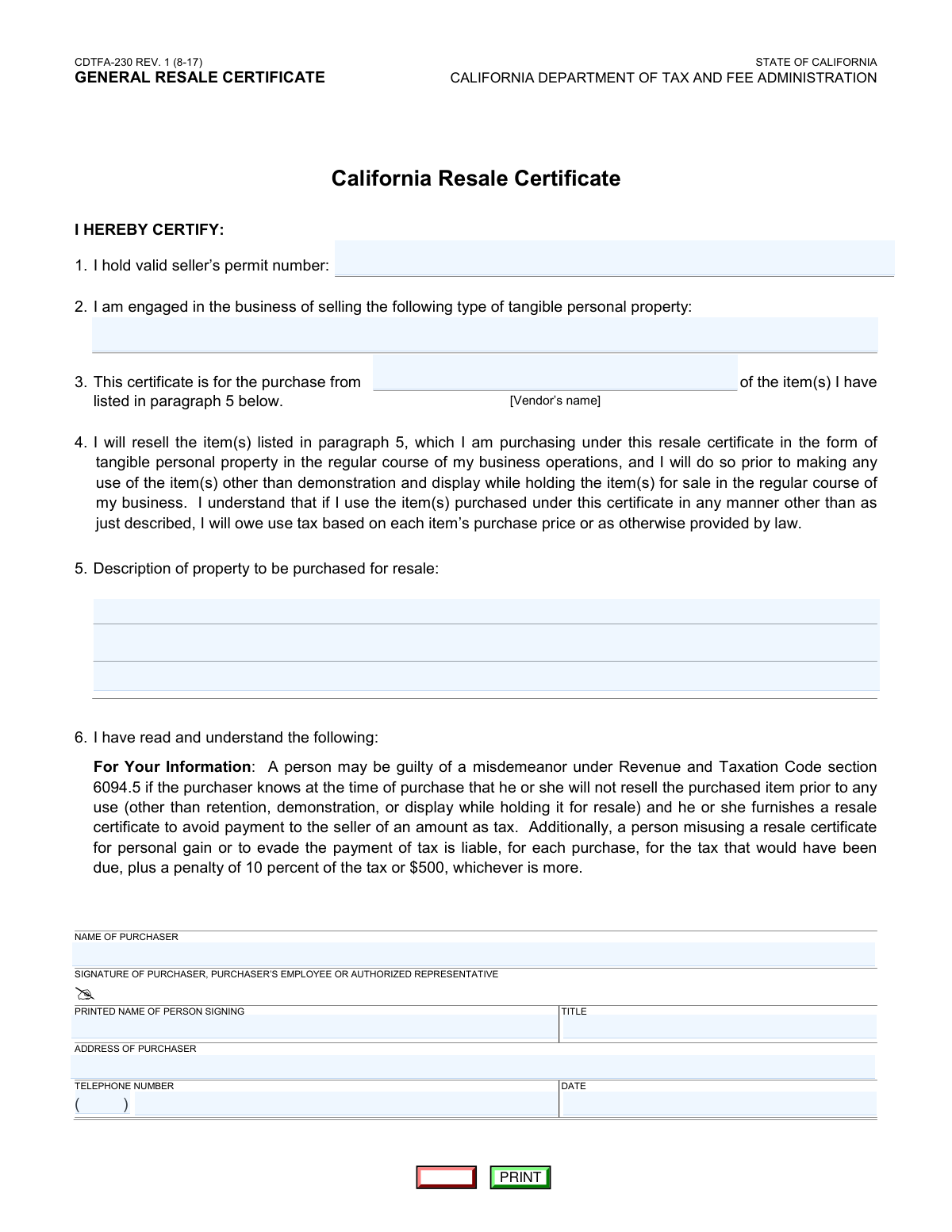
Resale certificate forms are essential documents for businesses that purchase goods for the purpose of reselling them to customers. These certificates allow a buyer to purchase items without paying sales tax at the point of purchase, as the tax will eventually be collected from the end consumer. By providing a valid certificate, such as the Texas Sales and Use Tax Resale Certificate or a Multijurisdiction Uniform Sales & Use Tax Exemption Certificate, businesses ensure they are not double-taxed on inventory. This process is a cornerstone of wholesale and retail operations, helping maintain proper cash flow and legal tax compliance.
By continuing, you acknowledge Instafill's Privacy Policy and agree to get occasional product update and promotional emails.
About resale certificate forms
These forms are typically required by retailers, wholesalers, and manufacturers who regularly source raw materials or finished products from suppliers. Whether you are a small business owner in Texas filling out Form 01-339 or a larger corporation applying for credit with a supplier like WestRock, having the correct documentation is critical. Without these certificates, suppliers are legally obligated to charge sales tax, which can significantly increase overhead costs. Furthermore, maintaining accurate records protects both the buyer and the seller during state tax audits, as these forms serve as the primary evidence for why tax was not collected on a specific transaction.
Managing these documents can be a repetitive administrative task, but tools like Instafill.ai use AI to fill these forms in under 30 seconds while ensuring data is handled accurately and securely. This technology automates the data entry process, helping businesses stay compliant without the burden of manual paperwork.
Every form on this page can be completed without typing. Instafill is form filling software that reads a PDF and fills it for you — including flat and scanned documents that carry no fillable fields at all.
Forms in This Category
The forms in this category have a median Form Complexity Index of 42/100 (Basic), measured across 4 forms by field count, input difficulty, length, conditional logic and structure. See how it is calculated.
- Enterprise-grade security & data encryption
- 99%+ accuracy powered by AI
- 1,000+ forms from all industries
- Complete forms in under 60 seconds
How to Choose the Right Form
Choosing the right resale certificate depends on your business location and the specific requirements of your supplier. These forms are essential for documenting why sales tax was not collected on a transaction, protecting both the buyer and the seller from future tax liabilities.
For Texas-Based Transactions
If you are conducting business within the state of Texas, you should use Form 01-339, Texas Sales and Use Tax Resale Certificate / Texas Sales and Use Tax Exemption Certification. This is the official document provided by the Texas Comptroller and is the most common choice for local businesses.
- Resale Certificate (Front Side): Use this if you are purchasing items that you intend to sell, lease, or rent to others. You must provide your Texas Sales and Use Tax Permit Number.
- Exemption Certification (Back Side): Use this to claim a tax exemption for reasons other than resale, such as for manufacturing, religious, or educational purposes. Unlike the resale portion, this side does not always require a permit number to be valid.
For Multistate Use and Credit Applications
If you are a business looking to establish a formal trade relationship with a large vendor or operate across several states, you may need a more comprehensive document.
- WestRock Credit Application and Uniform Sales & Use Tax Exemption/Resale Certificate — Multijurisdiction: This packet is the correct choice if you are specifically applying for trade credit with WestRock. It combines a detailed credit application (requiring financial and bank references) with the Multistate Tax Commission’s (MTC) uniform certificate.
- Broad Applicability: The multijurisdictional certificate included in this packet is useful because it is accepted by many states, making it a powerful tool for businesses that source inventory from vendors operating in multiple regions.
Quick Selection Tip
If you are simply making a one-off tax-exempt purchase in Texas, stick with Form 01-339. If you are setting up a long-term supply account and need to apply for credit terms simultaneously, the WestRock/Multijurisdiction packet is the more efficient choice.
Tips for resale certificate forms
Ensure your Texas Sales and Use Tax Permit Number or out-of-state registration is current and entered exactly as it appears on your official documents. An incorrect ID can lead to rejected certificates and unexpected sales tax charges on your business purchases.
Use the Resale Certificate section when purchasing items intended for lease, rental, or resale to your customers. Only use the Exemption Certification section for specific legal exemptions, such as those for non-profit organizations or specific manufacturing uses.
If you operate across state lines, the Uniform Sales & Use Tax Exemption Certificate can streamline your compliance by covering multiple states in one document. Always check the specific state list on the form to ensure it is accepted in the jurisdiction where your vendor is located.
When filling out combined forms like the WestRock application, provide thorough bank and trade references alongside your tax information. This prevents delays in the credit evaluation process and ensures your account is set up for tax-free purchasing from day one.
Sellers must keep these certificates on file to justify why tax wasn't collected, and you should do the same. Keeping your own digital copies of every submitted form helps you quickly resolve disputes if a vendor loses your certificate or during a tax audit.
Using AI-powered tools like Instafill.ai can complete these complex tax and credit forms in under 30 seconds with high accuracy. Your sensitive business and financial data stays secure during the process, making it an essential time-saver for businesses handling multiple compliance documents.
Frequently Asked Questions
A resale certificate is a document provided by a buyer to a seller to claim a sales tax exemption on goods intended for resale, lease, or rental. It ensures that sales tax is only collected once—when the final consumer purchase is made—preventing double taxation on the same item.
Businesses that are registered to collect sales tax and intend to resell the items they are purchasing are eligible. This typically includes retailers, wholesalers, and manufacturers who buy inventory or raw materials that will become part of a product for sale.
You should provide the completed certificate at the time of purchase or before the transaction is finalized. This allows the seller to document the tax-exempt status of the sale immediately, ensuring they do not charge you sales tax at the point of purchase.
A resale certificate is specifically for items that will be resold to another customer. An exemption certificate is broader and covers items that are tax-exempt for other reasons, such as purchases made by non-profit organizations or for specific industrial or agricultural uses.
Yes, forms like the Multijurisdiction Uniform Sales & Use Tax Certificate are designed for businesses that operate in several states. However, you must ensure that each state where you are claiming an exemption accepts this specific multijurisdictional format.
For transactions governed by Texas law, you should use Form 01-339, the Texas Sales and Use Tax Resale Certificate. This form is specifically designed to meet the requirements of the Texas Comptroller and includes sections for both resale and general exemption claims.
Yes, you can fill out resale certificate forms using AI tools. Platforms like Instafill.ai can accurately extract data from your existing business documents and place it into the required fields on the form automatically.
Using AI-powered tools, these forms can be completed in under 30 seconds. This significantly reduces the time spent on manual data entry and helps ensure that information like tax permit numbers and business addresses are entered accurately.
You will generally need your business name and address, your state-issued sales tax permit or registration number, and a description of the items being purchased. Some forms, like the WestRock application, may also require financial and trade references if you are applying for credit.
In most cases, you do not file these forms with the state government. Instead, you provide the completed and signed certificate directly to the seller, who is required to keep it in their records as proof of why sales tax was not collected.
Using a resale certificate for personal items or non-exempt purchases can lead to tax liabilities, interest, and legal penalties. It is important to only use these forms for legitimate business purchases that qualify under state tax laws.
While many certificates remain valid as long as the buyer and seller have a continuing business relationship, some states or specific vendors may require you to update your certificate periodically. It is best practice to provide a new form if your business address or tax registration status changes.
Glossary
- Form Complexity Index
- Instafill’s 0–100 measure of how much effort a form takes to complete, calculated deterministically from the form’s own structure rather than estimated. It combines the number of fillable fields (the largest factor), how difficult those fields are to complete based on their type, the number of pages that contain fields, the amount of conditional “fill-only-if” logic, and how many sections the form is divided into, then adds modifiers for tables and repeating lists, bundled instruction pages, and dense page layouts. A higher score means the form is harder to fill out by hand. The forms in this category have a median Form Complexity Index of 42/100 (Basic). See exactly how it is calculated.
- Resale Certificate
- A document provided by a buyer to a seller to purchase goods tax-free, under the condition that the items will be resold to a final customer who will pay the sales tax.
- Sales and Use Tax Permit Number
- A unique identification number issued by a state taxing authority to a business, proving they are authorized to collect sales tax and make tax-exempt purchases for resale.
- Exemption Certification
- A claim made on a tax form stating that a purchase is not subject to sales tax for specific legal reasons, such as use by a non-profit organization or for agricultural purposes.
- Multijurisdiction
- Refers to a standardized tax form that is accepted by multiple different states, allowing a business to use one document for transactions across various regions.
- MTC (Multistate Tax Commission)
- An intergovernmental agency that creates uniform tax forms and standards to help businesses comply with the varying tax laws of different states.
- Tangible Personal Property
- Physical items that can be seen, weighed, or touched; these are the primary goods for which resale certificates are issued during business-to-business transactions.
- Nexus
- A legal connection between a business and a state, such as having a physical office or reaching a sales threshold, that requires the business to collect and remit sales tax in that state.
- Good Faith
- The legal requirement that a seller must reasonably believe a buyer's tax-exempt claim is valid and that the form is completed correctly to avoid liability for uncollected taxes.