Fill out certification forms
with AI.
Certification forms are essential documents used to verify specific facts, qualifications, or legal statuses across various industries. These forms act as official proof for regulatory bodies, insurance providers, and government agencies, ensuring that all parties meet the necessary requirements for compliance and safety. Whether you are dealing with healthcare forms for medical leave or licensing forms for facility operations, accurate certification is the foundation for obtaining benefits, maintaining legal standing, and facilitating professional services.
By continuing, you acknowledge Instafill's Privacy Policy and agree to get occasional product update and promotional emails.
About certification forms
A wide range of individuals and organizations rely on these documents daily. For instance, employees and healthcare providers frequently use health department forms like the WH-380-E to certify medical conditions under the Family and Medical Leave Act (FMLA). Business owners and independent contractors often require tax-related certifications, such as the W-9 or Form 8802, to establish residency or taxpayer status. Additionally, healthcare administrators use specialized applications like Form HS 200 to manage facility licensing. These forms are typically required during major life or business events, such as starting a new job, applying for a professional license, or requesting medical leave.
Completing these complex documents manually can be time-consuming and prone to errors. Tools like Instafill.ai use AI to fill these forms in under 30 seconds, handling your data accurately and securely while ensuring every field is addressed correctly. This approach simplifies the administrative burden, allowing you to focus on your professional or personal priorities rather than paperwork.
Every form on this page can be completed without typing. Instafill is form filling software that reads a PDF and fills it for you — including flat and scanned documents that carry no fillable fields at all.
Forms in This Category
The forms in this category have a median Form Complexity Index of 51/100 (Moderate), measured across 53 forms by field count, input difficulty, length, conditional logic and structure. See how it is calculated.
- Enterprise-grade security & data encryption
- 99%+ accuracy powered by AI
- 1,000+ forms from all industries
- Complete forms in under 60 seconds
How to Choose the Right Form
Certification forms are essential for verifying eligibility, professional status, or tax compliance. Because these documents often carry legal weight, selecting the correct one depends on your specific industry or personal situation.
Healthcare and Medical Leave (FMLA)
If you are managing medical leave or healthcare services, your choice depends on whose health is being certified:
- For Personal Medical Leave: Use Form WH-380-E to certify an employee's own serious health condition for FMLA protection.
- For Family Care: Select Form WH-380-F to certify a family member's condition, or Form WH-385 and Form WH-385-V for military-specific caregiver leave.
- For Insurance Precertification: Providers should use Form GR-68831 or the ABA Treatment Request (GR-69017-4) to secure authorization for specialized services like behavior analysis or advanced radiology.
Tax, Residency, and Business Identity
These forms are used to verify identity for financial and government entities:
- Standard Tax Identity: Use Form W-9 to provide your Taxpayer Identification Number to clients or banks.
- Residency and Credits: Choose Form 8802 to prove U.S. residency to foreign tax authorities, or Form 8850 if you are an employer seeking the Work Opportunity Tax Credit.
- Sales Tax: Use Texas Form 01-339 if you are purchasing items for resale or claiming a specific sales tax exemption in the state of Texas.
Professional Licensing and Employment
Certification is often required to maintain professional standing or comply with labor laws:
- Facility Licensing: California healthcare providers must use Form HS 200 for new licenses or changes in ownership.
- Public Works: Contractors in New Jersey use Form MW-562 to certify weekly payroll compliance on public projects.
- Foreign Labor: Employers seeking to hire foreign workers permanently should use Form ETA-9089.
Financial and Housing Certifications
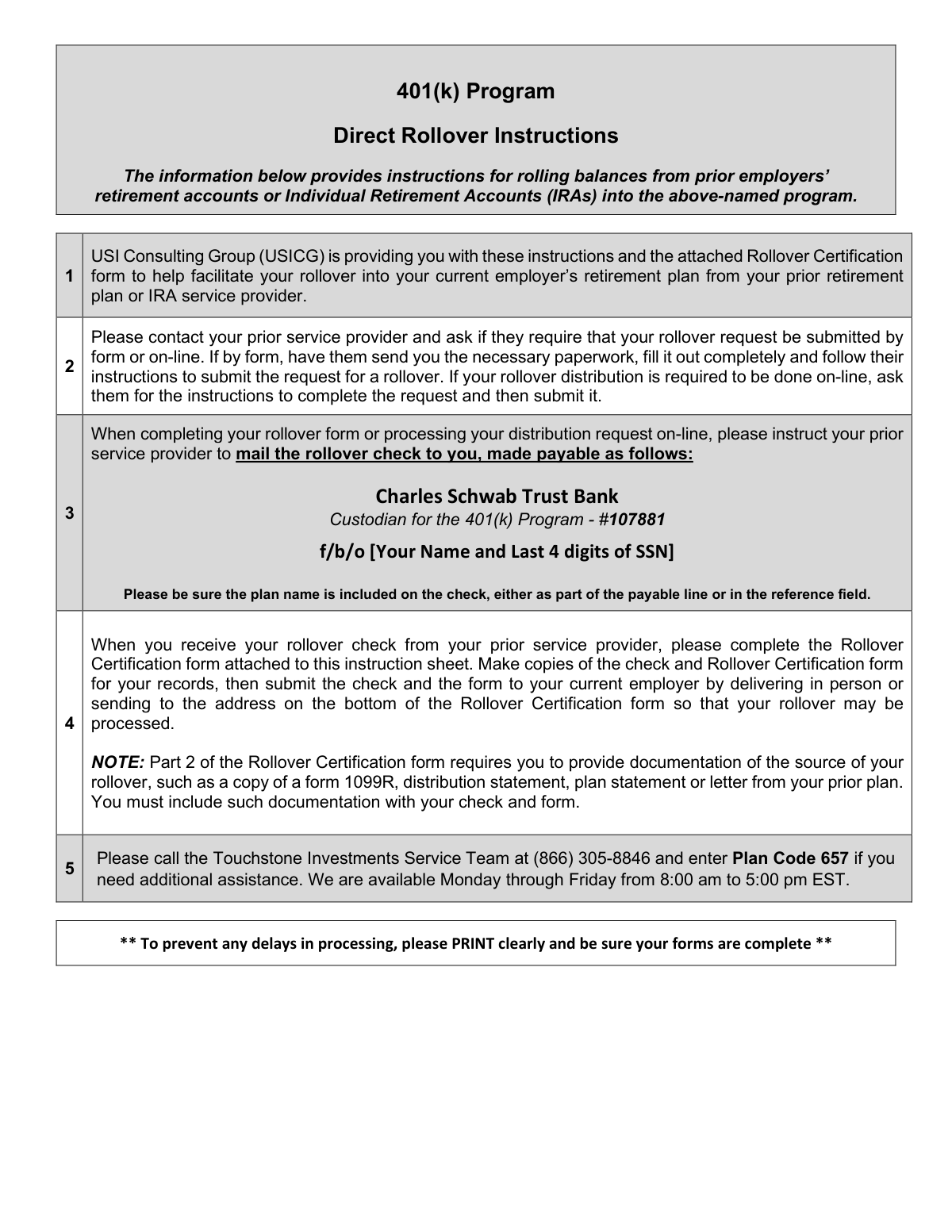
- Retirement: Use the 401(k) Program Rollover Certification or WTIA 401(k) Plan Rollover to transfer retirement funds without tax penalties.
- Legal Trusts: Use the Trust Certification and Trustee Powers form to verify a trustee's authority to manage assets.
- Housing Protections: Applicants for housing assistance who have experienced domestic violence should complete HUD Form 5382 to document their eligibility for VAWA protections.
Form Comparison
| Form | Primary Purpose | Who Submits It | Governing Agency |
|---|---|---|---|
| W-9, Request for Taxpayer Identification Number and Certification | Certifies a taxpayer identification number and U.S. person status for reporting. | Independent contractors, freelancers, and businesses receiving payments. | Internal Revenue Service (IRS) |
| Form ETA-9089, Application for Permanent Employment Certification | Applies for permanent labor certification to hire foreign workers in the U.S. | Employers seeking to sponsor foreign employees for permanent residence. | U.S. Department of Labor (DOL) |
| Form WH-380-E, Certification of Health Care Provider | Certifies an employee's own serious health condition for FMLA leave requests. | Employees and their attending healthcare providers. | U.S. Department of Labor (DOL) |
| Form WH-380-F, Certification of Health Care Provider | Certifies a family member's serious health condition for FMLA caregiving leave. | Employees and the family member's healthcare provider. | U.S. Department of Labor (DOL) |
| Form 8802, Application for U.S. Residency Certification | Requests certification of U.S. residency to claim foreign tax treaty benefits. | U.S. citizens, residents, and domestic entities operating internationally. | Internal Revenue Service (IRS) |
| Form N-648, Medical Certification for Disability Exceptions | Requests exceptions to naturalization testing due to physical or mental disabilities. | Naturalization applicants and their licensed medical professionals. | U.S. Citizenship and Immigration Services (USCIS) |
| Form W-10, Dependent Care Provider’s Identification and Certification | Certifies the identity of care providers for the child care tax credit. | Dependent care providers for use by the taxpayer client. | Internal Revenue Service (IRS) |
| Form 01-339, Texas Sales and Use Tax Resale Certificate | Certifies that items are purchased for resale or are tax-exempt. | Purchasers of taxable goods or services in the state of Texas. | Texas Comptroller of Public Accounts |
| Form HS 200, Licensure & Certification Application | Applies for state licensure or certification of California healthcare facilities. | Healthcare facility administrators and owners in California. | California Department of Public Health |
| Form 8850, Pre-Screening Notice and Certification Request for the Work Opportunity Credit | Pre-screens job applicants to determine eligibility for the Work Opportunity Tax Credit. | Employers and prospective job applicants during the hiring process. | Internal Revenue Service (IRS) |
| Form I-905, Application for Authorization to Issue Certification for Health Care Workers | Requests authority for an organization to certify foreign healthcare workers. | Organizations seeking to provide credentials for non-citizen healthcare professionals. | U.S. Citizenship and Immigration Services (USCIS) |
| Form WH-385, Certification for Serious Injury or Illness | Certifies serious injury or illness of a covered servicemember for FMLA. | Employees requesting leave to care for a military family member. | U.S. Department of Labor (DOL) |
Tips for certification forms
When filling out tax-related certifications like the W-9 or Form 8802, ensure the name on the form matches exactly with official IRS or Social Security records. Mismatches between names and Taxpayer Identification Numbers are a leading cause of processing delays and can trigger automatic backup withholding.
For healthcare certifications such as FMLA forms or disability exceptions, double-check that the healthcare provider has signed and provided their specific professional credentials. Incomplete provider sections often result in the form being rejected, potentially delaying medical leave or the approval of essential health services.
Certification forms often require repetitive data entry across multiple sections or pages. AI-powered tools like Instafill.ai can complete these forms in under 30 seconds with high accuracy, and your data stays secure during the process, making it an ideal solution for professionals handling high volumes of forms.
Many certification forms, such as those for residency or domestic violence protections, require supplemental evidence like court records or official letters. Having these documents scanned and ready will help you answer specific questions accurately and ensure the full package is ready for immediate submission.
Forms containing private health information, such as FMLA certifications, should be handled as confidential records. Always confirm whether the form should be submitted directly to a central HR department or a third-party administrator to protect privacy and comply with workplace health data regulations.
For licensing and precertification forms, ensure you are using the correct CPT codes or industry-specific permit numbers. Using outdated or incorrect codes for medical procedures or tax exemptions can lead to immediate denial of the certification request and require a full resubmission.
Before signing, carefully read the certification statements at the bottom of forms like the MW-562 or W-9. Providing inaccurate information on these documents can lead to significant penalties, so a final review of all provided figures and dates is essential for compliance.
Frequently Asked Questions
Certification forms are formal documents used to verify specific facts, such as a person's medical status, professional qualifications, tax residency, or eligibility for certain government programs. They provide a standardized way for agencies, employers, and insurance companies to collect and store verified information required for legal or regulatory compliance.
The WH-380 series of forms are the standard documents used under the Family and Medical Leave Act (FMLA) to certify a serious health condition. These forms are completed by healthcare providers to support an employee's request for leave to care for themselves or a family member.
Businesses typically collect forms like the W-9 to certify a contractor's or vendor's Taxpayer Identification Number (TIN) before making payments. This ensures the business can accurately report those payments to the IRS and determines whether they are required to perform backup withholding on the income.
Licensing forms, such as California's Form HS 200, are usually completed by healthcare facility administrators or owners. These forms are required by state health departments to authorize the operation of clinics, hospitals, and other care facilities, ensuring they meet safety and quality standards.
Forms like the 8802 are used by U.S. residents to obtain a formal Certification of U.S. Residency. This document is often required by foreign tax authorities to allow the individual or entity to claim tax treaty benefits, such as reduced withholding rates on income earned abroad.
Yes, AI tools like Instafill.ai can be used to complete various certification forms by accurately extracting data from your existing source documents and placing it into the correct fields. This technology helps ensure that complex forms are filled out precisely and reduces the manual effort involved in data entry.
Using advanced AI-powered services, most certification forms can be filled out in under 30 seconds. These tools automatically map your information to the PDF, allowing for a much faster turnaround than traditional manual typing or handwriting.
Submission instructions vary significantly depending on the form type. Some, like the W-9 or W-10, are kept on file by the person or business requesting them, while others, such as FMLA certifications, are submitted to your employer's HR department, and tax-related applications are mailed directly to the IRS or state agencies.
A trust certification is a legal document that allows a trustee to prove their authority to manage a trust's assets without disclosing the entire private trust agreement. Financial institutions and insurance companies often require this form to verify the trust's tax ID and the specific powers granted to the trustees.
Providers use precertification forms to obtain prior approval from insurance companies before performing specific medical procedures, such as advanced radiology or cardiology services. This process confirms that the proposed treatment is medically necessary and will be covered under the patient's insurance plan.
Inaccurate certification forms can lead to significant delays, such as the denial of medical leave, the rejection of a tax credit, or the suspension of a professional license. It is critical to ensure all data matches supporting documentation to avoid legal or financial penalties.
Glossary
- Form Complexity Index
- Instafill’s 0–100 measure of how much effort a form takes to complete, calculated deterministically from the form’s own structure rather than estimated. It combines the number of fillable fields (the largest factor), how difficult those fields are to complete based on their type, the number of pages that contain fields, the amount of conditional “fill-only-if” logic, and how many sections the form is divided into, then adds modifiers for tables and repeating lists, bundled instruction pages, and dense page layouts. A higher score means the form is harder to fill out by hand. The forms in this category have a median Form Complexity Index of 51/100 (Moderate). See exactly how it is calculated.
- TIN (Taxpayer Identification Number)
- A unique nine-digit identification number used by the IRS for tax administration, which can include a Social Security Number (SSN), Employer Identification Number (EIN), or Individual Taxpayer Identification Number (ITIN).
- FMLA (Family and Medical Leave Act)
- A federal law that entitles eligible employees of covered employers to take unpaid, job-protected leave for specified family and medical reasons with continuation of group health insurance coverage.
- Precertification
- A process where a healthcare provider must obtain approval from a health insurance plan before a specific medical service, procedure, or medication is authorized for coverage.
- Backup Withholding
- A tax requirement where a payer must withhold a set percentage (currently 24%) of certain payments to ensure the IRS receives the tax due if the payee has not provided a valid TIN.
- Prevailing Wage
- The hourly wage, usual benefits, and overtime paid to the majority of workers, laborers, and mechanics within a particular area for public works projects.
- Rollover
- The transfer of funds from one retirement account, such as a 401(k) or IRA, into another qualified plan without triggering immediate taxes or early withdrawal penalties.
- WOTC (Work Opportunity Tax Credit)
- A federal tax credit available to employers for hiring individuals from certain targeted groups who have consistently faced significant barriers to employment.
- CPT Codes (Current Procedural Terminology)
- A standardized set of five-digit codes used by medical professionals to document and bill for specific medical, surgical, and diagnostic services.