Fill out medical assistance forms
with AI.
Medical assistance forms are official documents used by healthcare providers, behavioral health specialists, and Medicaid programs to request, authorize, and document services for eligible patients. In Virginia and many other states, these forms serve as the administrative backbone of programs like Medicaid, ensuring that services are medically necessary, properly documented, and approved before — or concurrent with — delivery. They cover a wide range of needs, from prior authorization requests for therapy services to individualized treatment plans that guide a patient's ongoing care.
By continuing, you acknowledge Instafill's Privacy Policy and agree to get occasional product update and promotional emails.
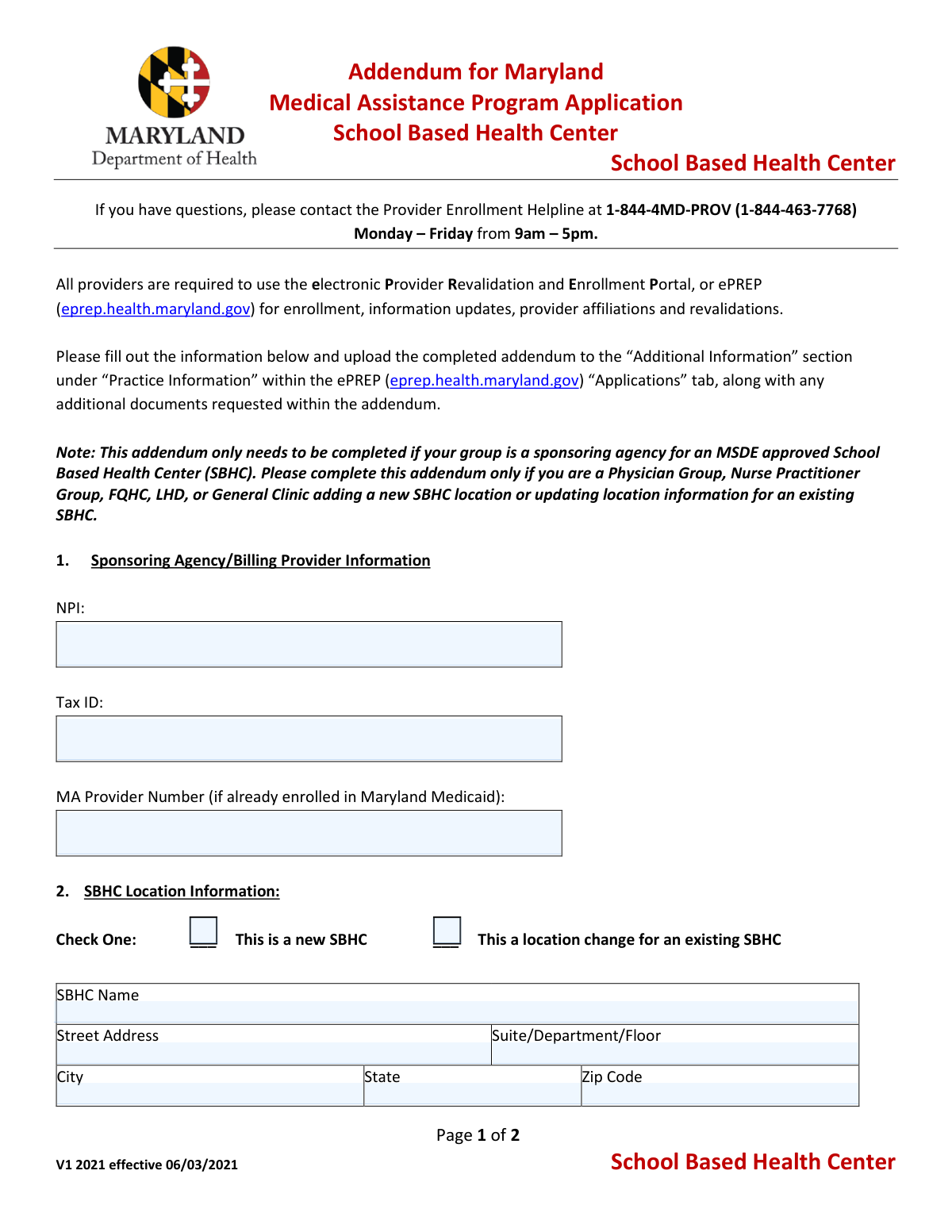
About medical assistance forms
The forms in this category are primarily used by licensed behavioral health providers, Applied Behavior Analysis (ABA) therapists, and care coordinators working with Medicaid-enrolled members, particularly children and youth requiring structured behavioral interventions. Situations that commonly require these forms include initiating ABA therapy for the first time, requesting continued authorization for ongoing treatment, and developing or updating an Individual Service Plan (ISP) to reflect a member's evolving treatment goals. Completing them accurately is critical — errors or omissions can delay care or result in denied authorizations.
Because these forms are often lengthy, clinically detailed, and time-sensitive, tools like Instafill.ai use AI to fill them out in under 30 seconds, handling the data accurately and securely so providers can focus more on patient care and less on paperwork.
Every form on this page can be completed without typing. Instafill is form filling software that reads a PDF and fills it for you — including flat and scanned documents that carry no fillable fields at all.
Forms in This Category
The forms in this category have a median Form Complexity Index of 59/100 (Moderate), measured across 7 forms by field count, input difficulty, length, conditional logic and structure. See how it is calculated.
- Enterprise-grade security & data encryption
- 99%+ accuracy powered by AI
- 1,000+ forms from all industries
- Complete forms in under 60 seconds
How to Choose the Right Form
Choosing the right form depends on where you are in the ABA therapy authorization process and what type of documentation you need to submit to Virginia DMAS.
Starting ABA Services for the First Time?
If a member has not yet begun ABA therapy and you need to request approval before services start, you have two options:
- Preservice Authorization (effective 09/01/2025 and after): Use the DMAS Applied Behavior Analysis Preservice Service Authorization Request Form if services are scheduled to begin on or after September 1, 2025. This form covers CPT codes 97153–97158 and 0373T and includes telemedicine documentation.
- Initial Authorization (legacy/earlier dates): Use the DMAS ABA Initial Service Authorization Request Form (97155, Et al.) for initial prior authorization requests under earlier effective dates. This form requires sign-off from an LMHP or LABA confirming medical necessity.
Already Enrolled in ABA Treatment?
If a member is currently receiving ABA services and you need to renew or continue authorization, use the:
- ABA Concurrent Service Authorization Request Form (CPT Codes 97153–97158, 0373T): This form is specifically for ongoing treatment and requires documentation of treatment progress, medication updates, care coordination, and an updated Individual Service Plan. It is effective for dates of service on or after September 1, 2025.
Need to Document a Treatment Plan?
If you are a licensed mental health provider creating or updating a structured care plan for a member in enhanced behavioral health services, use the:
- DMAS Enhanced Services Individual Service Plan (ISP) Template: This is not an authorization request — it's a treatment planning document capturing goals, interventions, and discharge planning required for Medicaid accountability and continuity of care.
Quick tip: The ISP Template often accompanies the Concurrent Authorization form as required supporting documentation, so you may need both.
Form Comparison
| Form | Purpose | Who Files It | When to Use |
|---|---|---|---|
| The Department of Medical Assistance Services Applied Behavior Analysis Preservice Service Authorization Request Form (Effective Dates of Service 09/01/2025 and after) | Request prior authorization for ABA services before delivery | ABA providers, BCBAs, or licensed behavior analysts | Before ABA services begin (or for retro review) |
| Department of Medical Assistance Services Applied Behavior Analysis (97155, Et al.) Initial Service Authorization Request Form | Obtain initial Medicaid authorization for ABA therapy | LMHP or Licensed Applied Behavior Analyst (LABA) | At start of ABA treatment for newly enrolling members |
| Applied Behavior Analysis Concurrent Service Authorization Request Form (CPT Codes 97153, 97154, 97155, 97156, 97157, 97158, 0373T) – Virginia Department of Medical Assistance Services | Request continued Medicaid authorization for ongoing ABA services | ABA providers currently treating enrolled members | When renewing authorization for members already in treatment |
| Department of Medical Assistance Services Enhanced Services Individual Service Plan (ISP) Template | Create individualized treatment plans for enhanced behavioral health services | Licensed mental health providers and care coordinators | During enrollment and ongoing care planning for behavioral health members |
Tips for medical assistance forms
Virginia DMAS uses separate authorization forms for preservice, initial, and concurrent ABA requests — and each targets specific CPT codes (97153–97158, 0373T). Submitting the wrong form for your service stage is a common reason for delays or denials. Double-check whether you need a preservice, initial, or concurrent authorization before you begin filling out any paperwork.
These forms require detailed clinical information including DSM/ICD-10 diagnoses, treatment goals, medication updates, and care coordination notes. Having an updated Individual Service Plan (ISP) and progress summary on hand before starting will prevent mid-form interruptions. Incomplete submissions are a leading cause of authorization delays.
ABA authorization forms must be reviewed and signed by a qualified professional — such as a Licensed Mental Health Professional (LMHP) or Licensed Applied Behavior Analyst (LABA) — attesting to medical necessity. Submitting a form without the appropriate signature will likely result in rejection. Confirm signatory requirements specific to each form type before finalizing your submission.
If any ABA services were delivered via telemedicine, this must be clearly noted in the applicable fields on the authorization form. Failing to document the telemedicine modality can create billing complications or trigger a retro review. Review each form's telemedicine section carefully and include all relevant details.
AI-powered tools like Instafill.ai can complete these complex medical assistance and ABA authorization forms in under 30 seconds with high accuracy — a major time-saver when managing multiple clients or authorization cycles. Your data stays secure throughout the process, and Instafill.ai can even convert non-fillable PDF versions into interactive forms. This is especially useful for multi-page documents like the ISP Template.
Some DMAS forms, such as the Concurrent Service Authorization and Preservice Request, are tied to specific effective dates of service (e.g., on or after September 1, 2025). Using an outdated form version can result in rejection regardless of how accurately it is completed. Always verify you are using the current form version before submitting.
Vague treatment goals are one of the most common reasons medical necessity is questioned during authorization review. Use measurable, observable language when describing behavioral objectives, interventions, and discharge criteria in both authorization request forms and the ISP Template. The more specific and evidence-based your documentation, the stronger your case for approval.
Medicaid authorization processes can involve follow-up requests, appeals, or retro reviews, and having organized records of exactly what was submitted — and when — is essential. Store copies of completed forms alongside their supporting clinical documentation, such as the ISP and progress summaries. This will save significant time if a payer requests additional information.
Frequently Asked Questions
This category includes four Virginia Department of Medical Assistance Services (DMAS) forms related to Applied Behavior Analysis (ABA) therapy and behavioral health services. Specifically, you'll find a preservice authorization request form, an initial service authorization form, a concurrent service authorization form, and an Enhanced Services Individual Service Plan (ISP) template.
These forms are primarily completed by licensed behavioral health providers, including Licensed Mental Health Professionals (LMHPs) and Licensed Applied Behavior Analysts (LABAs), on behalf of their Medicaid-enrolled clients. They are required when seeking prior authorization, continued authorization, or structured treatment planning for ABA therapy and enhanced behavioral health services in Virginia.
A preservice (prior) authorization form is submitted before ABA services begin to establish medical necessity and get approval for treatment. An initial service authorization form is used when formally starting an authorized course of ABA therapy. A concurrent service authorization form is submitted for members already enrolled in ABA treatment who need continued Medicaid authorization beyond the initial approval period.
A concurrent service authorization request should be submitted when a member is already receiving ABA therapy and their current authorization period is approaching expiration. Providers must demonstrate ongoing medical necessity by documenting treatment progress, updated service units, medication changes, and care coordination activities. Submitting on time helps avoid gaps in service delivery and reimbursement.
An Individual Service Plan (ISP) is a structured, person-centered treatment document that outlines a Medicaid member's goals, measurable objectives, interventions, and discharge planning for enhanced behavioral health services. DMAS requires the ISP to support Medicaid authorization decisions and ensure accountability and continuity of care across all providers involved in the member's treatment.
The ABA authorization forms in this category cover CPT codes 97153, 97154, 97155, 97156, 97157, 97158, and 0373T, which correspond to various ABA therapy service types including adaptive behavior treatment, protocol modification, and group and caregiver training. Providers must specify the requested service units for each applicable CPT code when submitting authorization requests.
Supporting documentation generally includes an updated Individual Service Plan, treatment progress summaries, DSM/ICD-10 diagnoses, and clinical attestations from a qualified provider such as an LMHP or LABA. For concurrent authorizations, providers may also need to include care coordination records and medication updates to demonstrate continued medical necessity.
Yes, the DMAS ABA authorization forms include provisions for documenting telemedicine delivery of services where applicable. Providers must indicate when services are rendered via telemedicine, as this information is considered during the medical necessity review process.
Yes, AI-powered tools like Instafill.ai can fill out these forms in under 30 seconds by accurately extracting and placing data from source documents such as clinical records or prior authorization files. This is especially helpful for complex, multi-page forms like the ISP template or concurrent authorization form, where manual data entry can be time-consuming and error-prone.
Manually completing these forms can take anywhere from 20 minutes to over an hour depending on the form's complexity and the volume of clinical information required. Using AI tools like Instafill.ai, the same forms can be populated accurately in under 30 seconds, and non-fillable PDF versions can even be converted into interactive fillable forms.
Completed DMAS authorization forms are generally submitted to the member's Medicaid health plan or directly to DMAS, depending on the member's enrollment and the specific authorization process in place. Providers should verify the correct submission pathway with the relevant health plan or DMAS guidelines, as submission methods may include online portals, fax, or mail.
Yes, all four forms in this category are official Virginia DMAS documents and apply specifically to members enrolled in Virginia Medicaid programs. Providers in other states should consult their respective state Medicaid agency for equivalent authorization and treatment planning forms.
Glossary
- Form Complexity Index
- Instafill’s 0–100 measure of how much effort a form takes to complete, calculated deterministically from the form’s own structure rather than estimated. It combines the number of fillable fields (the largest factor), how difficult those fields are to complete based on their type, the number of pages that contain fields, the amount of conditional “fill-only-if” logic, and how many sections the form is divided into, then adds modifiers for tables and repeating lists, bundled instruction pages, and dense page layouts. A higher score means the form is harder to fill out by hand. The forms in this category have a median Form Complexity Index of 59/100 (Moderate). See exactly how it is calculated.
- Prior Authorization (PA)
- Approval required from Medicaid or a health plan before certain services can be delivered and billed. Without prior authorization, claims for those services may be denied.
- Medical Necessity
- A standard used by Medicaid and health plans to determine whether a requested service is clinically appropriate and required to treat a member's condition. Services must meet medical necessity criteria to be approved.
- Applied Behavior Analysis (ABA)
- A therapy based on the science of learning and behavior, commonly used to support individuals with autism spectrum disorder by improving communication, social, and adaptive skills while reducing harmful behaviors.
- DMAS
- The Virginia Department of Medical Assistance Services, the state agency that administers Virginia's Medicaid and CHIP programs and oversees authorization of covered services including behavioral health.
- CPT Code
- Current Procedural Terminology codes are standardized numeric codes used to identify and bill specific medical or therapeutic services. ABA services use CPT codes such as 97153–97158 and 0373T.
- Individual Service Plan (ISP)
- A structured, written treatment plan that outlines a member's goals, interventions, and measurable objectives. It is required for Medicaid authorization and guides care across all providers involved in the member's treatment.
- Concurrent Service Authorization
- A reauthorization request submitted while a member is already receiving services, used to demonstrate continued medical necessity and obtain approval for an additional period of treatment.
- Licensed Applied Behavior Analyst (LABA)
- A credentialed professional trained in behavior analysis who is authorized to design, oversee, and sign off on ABA treatment plans and service authorization requests under Virginia Medicaid rules.
- DSM / ICD-10 Diagnosis
- DSM (Diagnostic and Statistical Manual) and ICD-10 (International Classification of Diseases, 10th Edition) are standardized coding systems used to document a member's psychiatric or medical diagnoses on authorization forms.
- Preservice Authorization
- Authorization requested before any services have been delivered to a new member, as opposed to concurrent authorization for ongoing treatment. Approval must be obtained prior to the start of services.