Fill out credit forms
with AI.
Credit forms encompass a wide range of financial and legal documents designed to help individuals and businesses manage their financial health, claim tax incentives, and secure financing. This category includes everything from federal tax forms for residential energy improvements and child tax credits to formal applications for commercial leases and consumer credit reports. These documents are essential for documenting eligibility for government programs, reporting financial status to lenders, and correcting inaccuracies in personal credit histories.
By continuing, you acknowledge Instafill's Privacy Policy and agree to get occasional product update and promotional emails.
About credit forms
Typically, these forms are required by taxpayers looking to maximize their annual refunds, small business owners seeking to claim the Work Opportunity Tax Credit, or individuals navigating complex financial transitions like bankruptcy or real estate investment. Whether you are applying for a new line of credit with a vendor or claiming the Earned Income Tax Credit on your state return, providing accurate and timely information is critical to avoiding processing delays or legal discrepancies. Tools like Instafill.ai use AI to fill these forms in under 30 seconds, ensuring your data is handled accurately and securely without the manual effort.
Every form on this page can be completed without typing. Instafill is form filling software that reads a PDF and fills it for you — including flat and scanned documents that carry no fillable fields at all.
Forms in This Category
The forms in this category have a median Form Complexity Index of 59/100 (Moderate), measured across 49 forms by field count, input difficulty, length, conditional logic and structure. See how it is calculated.
- Enterprise-grade security & data encryption
- 99%+ accuracy powered by AI
- 1,000+ forms from all industries
- Complete forms in under 60 seconds
How to Choose the Right Form
Finding the right "credit" form depends on whether you are seeking a tax reduction, applying for a loan, or managing your personal credit history. This category covers federal and state tax credits, business lending, and academic certifications.
Individual Federal Tax Credits
Most users in this category are looking for IRS forms to reduce their tax liability.
- Family & Health: Use Form 8812 to claim credits for children and dependents, or Form 8962 to reconcile the Premium Tax Credit for health insurance. If you have been denied credits in the past and need to re-establish eligibility, use Form 8862.
- Energy & Housing: For green home improvements, use Form 5695 (Residential Energy Credits). If you are repaying a previous homebuyer credit, file Form 5405.
- Savings & Retirement: Use Form 8880 to claim a credit for your retirement account contributions.
Business & Employer Credits
Employers and business owners can claim credits for specific investments or hiring practices.
- Hiring Credits: To claim the Work Opportunity Tax Credit (WOTC), you will need Form 5884 along with pre-screening documents like Form 8850 and ETA Form 9061.
- Operational Credits: Use Form 3468 for investment credits in energy property, or Form 8994 if you provide paid family and medical leave to your employees.
Consumer & Commercial Credit Applications
If you are not dealing with taxes, you likely need a form to establish a line of credit or verify financial standing.
- Personal Credit: Use the Annual Credit Report Request Form to review your history or the Northwest Federal Credit Union Personal Financial Statement to disclose your assets to a lender.
- Business Credit: Companies looking to establish trade credit should use the WestRock Credit Application or the general Commercial and Lease Application.
State-Specific & Academic Credits
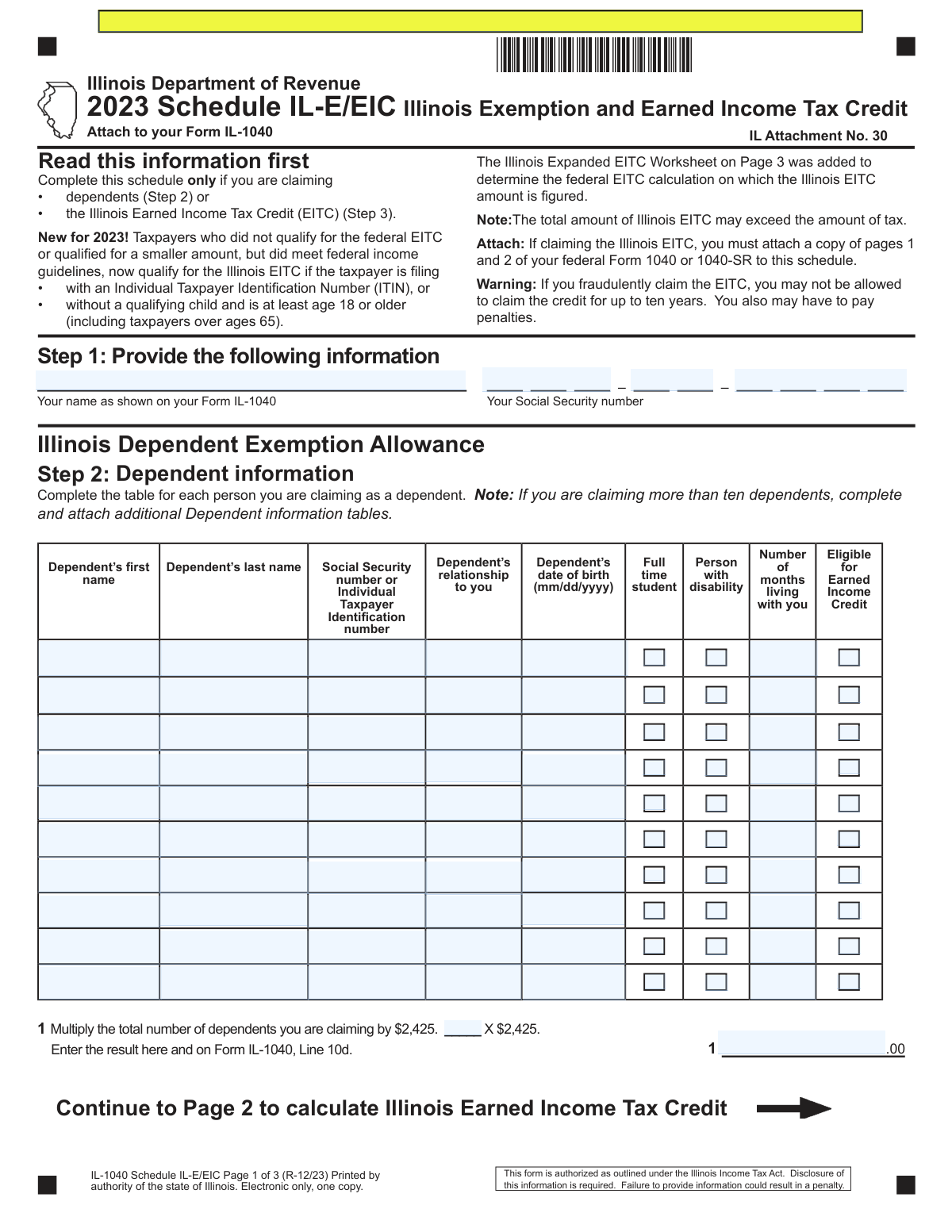
- State Taxes: California residents should look for Form FTB 3514 (EITC) or Schedule K-1 (541) for estate/trust allocations. Illinois residents should use Schedule IL-E/EIC.
- Education: Students at Central Georgia Technical College can use the Credit by Documented Learning Form to convert professional experience into academic hours.
Form Comparison
| Form | Purpose | Who Files It | Key Benefit |
|---|---|---|---|
| Form 5405, Repayment of First-Time Homebuyer Credit | Reports the repayment of the First-Time Homebuyer Credit to the IRS. | Taxpayers who disposed of a home for which they claimed the credit. | Ensures compliance with federal tax obligations regarding homebuyer credit repayments. |
| Form 8862, Information To Claim Certain Credits | Reclaims tax credits like EITC after they were previously disallowed or reduced. | Taxpayers seeking to regain eligibility for specific child or income credits. | Allows eligible individuals to recover denied credits for the current tax year. |
| Form 8880, Credit for Qualified Retirement Savings Contributions | Calculates a tax credit for making contributions to qualified retirement accounts. | Low-to-moderate income individuals contributing to IRAs or employer-sponsored plans. | Reduces federal tax liability while encouraging long-term retirement savings. |
| Form 5695, Residential Energy Credits | Claims credits for energy-efficient home improvements and renewable energy systems. | Homeowners who installed solar panels, geothermal heat pumps, or efficient windows. | Provides direct tax reductions for investing in green energy technologies. |
| Form 8962, Premium Tax Credit (PTC) | Reconciles advance premium tax credits with actual eligibility based on income. | Individuals who purchased health insurance through the Health Insurance Marketplace. | Ensures taxpayers receive the correct subsidy amount for health insurance premiums. |
| Form 8812, Credits for Qualifying Children | Calculates the Child Tax Credit and the Credit for Other Dependents. | Taxpayers with qualifying children or other dependents living in their household. | Maximizes refundable and non-refundable tax benefits for families with children. |
| Form FTB 3514, California Earned Income Tax Credit | Claims the California state-level Earned Income Tax Credit (CalEITC). | Eligible low-income individuals and families residing in the state of California. | Increases potential state tax refunds and reduces overall California tax liability. |
| Form 5884, Work Opportunity Credit | Claims a tax credit for hiring individuals from specific targeted groups. | Employers who hire veterans, ex-felons, or long-term family assistance recipients. | Reduces business tax liability while incentivizing diverse and inclusive hiring practices. |
| Annual Credit Report Request Form | Requests a free annual credit report from Equifax, Experian, or TransUnion. | Consumers wanting to review their credit history and check for errors. | Provides a cost-free way to monitor credit health and prevent identity theft. |
| Form G-1450, Authorization for Credit Card Transactions | Authorizes the Department of Homeland Security to charge fees to a credit card. | Individuals filing immigration-related applications or petitions with USCIS. | Enables secure and convenient electronic payment of government filing fees. |
| Form 3468, Investment Credit | Claims tax credits for investments in specific energy and rehabilitation properties. | Businesses and individuals investing in solar, wind, or historic building restoration. | Significant tax reductions for capital investments in renewable energy and infrastructure. |
| Form 8885, Health Coverage Tax Credit | Claims a credit for a portion of qualified health insurance premiums. | Eligible trade-affected workers or individuals receiving benefits from the PBGC. | Substantially reduces the monthly cost of health insurance for qualifying individuals. |
Tips for credit forms
When claiming tax credits, ensure the amounts on forms like 8812 or 8962 match your federal return exactly. Discrepancies between your primary tax return and these supplemental credit forms are a leading cause of processing delays and audits.
Whether you are applying for commercial credit or a residential energy credit, keep digital copies of receipts, certifications, and bank statements. Most credit forms require these attachments to prove eligibility and substantiate the dollar amounts claimed.
When managing several credit applications or tax schedules, AI-powered tools like Instafill.ai can complete these forms in under 30 seconds with high accuracy. Your data stays secure during the process, providing a practical way to save time on complex paperwork.
Forms that authorize credit card transactions, such as the G-1450, must be signed by the actual cardholder, not just the applicant. An unsigned or incorrectly signed authorization can lead to the immediate rejection of your entire filing package.
Many tax credits, like the Earned Income Tax Credit (EITC) or the Work Opportunity Credit, have very specific income and demographic requirements. Review the latest eligibility guidelines to ensure you qualify before spending time on the detailed calculations.
Always save a final copy of your submitted credit report requests or commercial applications. Having a record of exactly what information was provided helps you track your financial history and resolve any future disputes with creditors or tax authorities.
Frequently Asked Questions
This category includes a diverse range of documents, from IRS tax credit forms for energy and childcare to consumer credit report requests and commercial credit applications. You will also find forms for bankruptcy proceedings, employment-related tax incentives, and financial statements required by lenders.
Tax credit forms, such as Form 8812 or Form 5695, are specifically used when filing annual returns to reduce the amount of tax you owe. Consumer credit forms, like the Annual Credit Report Request Form, are used to manage your personal financial history or to apply for loans and services with private businesses.
Employers looking to benefit from the Work Opportunity Tax Credit (WOTC) generally need to use Form 8850 and ETA Form 9061. These forms are used to pre-screen job applicants and request certification from state workforce agencies to prove the employee belongs to a targeted group.
Form 5695 is typically used by individual homeowners to claim credits for residential energy efficiency, such as solar panels or heat pumps. Form 3468 is intended for businesses or individuals claiming investment credits for commercial-scale energy properties like geothermal or wind facilities.
You can formally request your free annual credit report from the major credit bureaus by using the Annual Credit Report Request Form. This form is essential for reviewing your financial records, checking for inaccuracies, and protecting yourself against potential identity theft.
Yes, AI tools like Instafill.ai are designed to help users complete various credit and financial forms quickly. The AI can accurately extract relevant data from your source documents and place it into the correct fields on the PDF form automatically.
Using AI-powered platforms like Instafill.ai, most credit forms can be completed in under 30 seconds. This process is much faster than manual entry and helps ensure that data is transferred accurately from your records to the official document.
Commercial applications usually require detailed business information, including ownership details, tax identification numbers, and trade references. Lenders use these forms to evaluate the creditworthiness of a business before extending trade credit or financing equipment.
Form 8962 is used to reconcile the Premium Tax Credit for those with Health Insurance Marketplace plans, while Form 8812 calculates credits for qualifying children. Form 8885 is also available for individuals claiming the Health Coverage Tax Credit for qualified insurance premiums.
If a credit like the Earned Income Tax Credit was previously denied, you may be required to file Form 8862 to provide additional information and re-establish your eligibility. This form allows you to claim the credit again in a subsequent year once you meet the necessary requirements.
Yes, specific forms such as Form G-1450 are used to authorize credit card transactions for agencies like USCIS. These forms capture the cardholder's billing information and signature to facilitate the payment of filing and biometric fees for various applications.
Glossary
- Form Complexity Index
- Instafill’s 0–100 measure of how much effort a form takes to complete, calculated deterministically from the form’s own structure rather than estimated. It combines the number of fillable fields (the largest factor), how difficult those fields are to complete based on their type, the number of pages that contain fields, the amount of conditional “fill-only-if” logic, and how many sections the form is divided into, then adds modifiers for tables and repeating lists, bundled instruction pages, and dense page layouts. A higher score means the form is harder to fill out by hand. The forms in this category have a median Form Complexity Index of 59/100 (Moderate). See exactly how it is calculated.
- Refundable Credit
- A type of tax credit that can reduce your tax liability below zero, allowing the remaining amount to be paid out to you as a refund check. This differs from a non-refundable credit, which can only reduce your tax bill to zero.
- Earned Income Tax Credit (EITC)
- A federal and state tax benefit for low-to-moderate-income working individuals and families. It is a refundable credit designed to reduce the tax burden and provide financial assistance, often requiring specific forms like the 8862 or Schedule EIC.
- Work Opportunity Tax Credit (WOTC)
- A federal tax credit available to employers for hiring individuals from certain 'target groups' who have faced barriers to employment, such as veterans or long-term unemployment recipients. Employers must use forms like the 8850 and ETA 9061 to certify eligibility.
- Tax Liability
- The total amount of tax debt owed by an individual or business to a government entity like the IRS or a state revenue department. Most credit forms aim to reduce this total through specific incentives or prior payments.
- Disallowance
- A formal notification from a taxing authority that a previously claimed credit or deduction has been rejected. If a credit was disallowed in a past year, you may be required to file additional information to prove eligibility for future claims.
- Carryforward
- A tax provision that allows a taxpayer to apply an unused portion of a tax credit from the current year to a future tax year. This is common when the credit amount exceeds the taxpayer's total liability for the year it was earned.
- Unsecured Claim
- A debt that is not backed by collateral, such as a mortgage or a car loan. In the context of credit and bankruptcy forms, these claims are often prioritized differently than secured debts during financial restructuring.
- Guarantor
- A person or business that agrees to be legally responsible for someone else's debt if they fail to pay. This term is frequently found on commercial credit applications where a business owner personally guarantees a company's line of credit.