Fill out domestic violence forms
with AI.
Domestic violence forms are essential legal instruments designed to help individuals secure protection, establish safety boundaries, and exercise their rights under family and civil law. These documents serve as the foundation for court-ordered protections and administrative safeguards, providing a formal way to document abuse and request specific interventions. Because the legal system relies on clear, detailed information to grant relief, these forms are critical for anyone navigating the aftermath of domestic abuse, stalking, or harassment.
By continuing, you acknowledge Instafill's Privacy Policy and agree to get occasional product update and promotional emails.
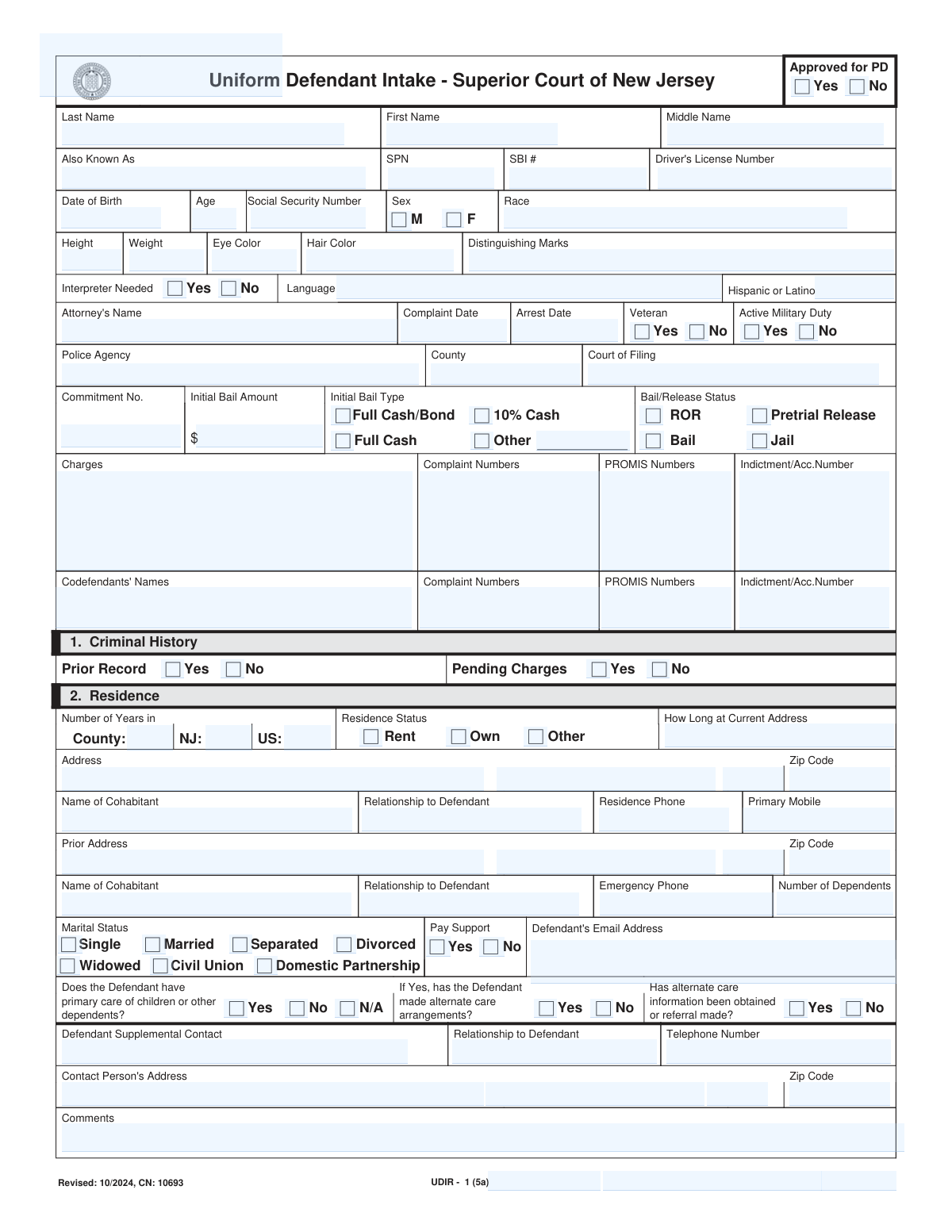
About domestic violence forms
Individuals typically need these forms when they are seeking a restraining order to prevent further contact from an abuser or when they need to certify their status as a survivor to maintain housing and social services. For instance, California court forms like the DV-100 are used to initiate a request for a protective order, while federal certifications help ensure that survivors are not unfairly penalized in housing applications due to incidents of violence. These situations are often time-sensitive and emotionally taxing, making the clarity and completion of the paperwork a high priority.
Completing these documents accurately is vital for them to be legally effective and processed without delay. Tools like Instafill.ai use AI to fill these forms in under 30 seconds, providing a secure and accurate way to handle complex paperwork during a crisis. By automating the data entry process, survivors and their advocates can focus on safety and recovery rather than the stress of manual form completion.
Every form on this page can be completed without typing. Instafill is form filling software that reads a PDF and fills it for you — including flat and scanned documents that carry no fillable fields at all.
Forms in This Category
The forms in this category have a median Form Complexity Index of 42/100 (Basic), measured across 48 forms by field count, input difficulty, length, conditional logic and structure. See how it is calculated.
- Enterprise-grade security & data encryption
- 99%+ accuracy powered by AI
- 1,000+ forms from all industries
- Complete forms in under 60 seconds
How to Choose the Right Form
Navigating legal and housing protections during a domestic violence situation is critical for your safety and stability. The forms in this category serve two primary purposes: seeking legal protection through the California court system and securing housing rights under federal law.
Seeking a Restraining Order (California)
If you are in California and need to legally require an abuser to stay away from you, stop contact, or move out of a shared residence, you will need to start with the Request for Domestic Violence Restraining Order (Form DV-100). This is the primary document used to initiate a case under the Domestic Violence Prevention Act.
- Form DV-100: Use this to describe the abuse and request specific orders from a judge, such as no-contact orders, child custody, or firearm restrictions.
- Form DV-100 (Domestic Violence Prevention): This version is specifically formatted for the California Judicial Council standards and is the mandatory starting point for your legal case.
Serving Legal Papers
Once you have filed your request with the court, the law requires that the other party be formally notified. You cannot simply hand the papers to them yourself.
- Form DV-200, Proof of Personal Service (CLETS): Use this form after a qualified adult (the process server) has delivered the legal papers to the restrained party. This form must be filed with the court to prove that the other person is legally aware of the hearing and any temporary orders in place.
Protecting Your Housing Rights
Domestic violence can often impact your ability to secure or maintain safe housing. Federal law provides specific protections for applicants and tenants.
- HUD Form 5382 (Certification of Domestic Violence): Choose this form if you need to document eligibility for protections under the Violence Against Women Act (VAWA). It is often used to prevent the denial of housing assistance based on incidents of abuse.
- Dakota County CDA New Admissions Informal Review Request Form: If you have been denied a Housing Choice Voucher in Dakota County, use this packet (which includes HUD-5382) to request an informal review and explain how domestic violence contributed to the denial.
Form Comparison
| Form | Primary Purpose | Who Files It | When to Use |
|---|---|---|---|
| Form DV-100, Request for Domestic Violence Restraining Order | Requests legal protection and stay-away orders from a domestic abuser. | The individual seeking protection from physical or emotional abuse. | To initiate a domestic violence restraining order case in California. |
| Dakota County CDA New Admissions Informal Review Request Form and HUD Form 5382 | Certifies domestic violence status to protect housing voucher eligibility. | Housing Choice Voucher applicants or program participants. | When appealing a housing denial related to domestic violence incidents. |
| DV-100, Request for Domestic Violence Restraining Order (Domestic Violence Prevention) | Initiates a court case for temporary and long-term restraining orders. | The petitioner seeking safety from a current or former partner. | Asking a judge for no-contact, move-out, or firearm-related orders. |
| Form DV-200, Proof of Personal Service (CLETS) (Domestic Violence Prevention) | Certifies that the restrained party was personally served with court documents. | A process server or adult over 18 not in the case. | After serving legal documents to the party being restrained. |
Tips for domestic violence forms
When filling out a request for a restraining order, be as descriptive as possible about dates and specific events. Use clear, factual language to explain the situation so the judge has a complete understanding of why you are seeking protection.
Dealing with legal paperwork during a stressful time can be overwhelming, but AI-powered tools like Instafill.ai can complete these forms in under 30 seconds with high accuracy. This ensures your data stays secure during the process while saving you significant time when managing multiple complex documents.
In domestic violence cases, the person seeking protection cannot personally deliver the forms to the other party. You must have a third party over age 18, such as a friend, relative, or professional process server, handle the service and complete the required Proof of Personal Service form.
If you are staying at a shelter or a confidential location, check the forms for options to keep your physical address private. Many domestic violence forms allow you to use a safe mailing address to ensure your current whereabouts remain hidden from the restrained party.
If your situation involves housing assistance, ensure you include the HUD-5382 certification alongside your court forms. This documentation helps protect your housing rights and ensures that incidents of domestic violence are not used as grounds for denying or terminating your benefits.
After the restrained party has been served, make sure the Proof of Personal Service is filed with the court clerk right away. Without this filed document, the judge may not be able to make permanent orders or proceed with your scheduled hearing.
Ensure that names, birthdates, and physical descriptions of all parties are consistent across every form in your filing packet. Small clerical errors can cause delays in processing or issues with law enforcement entering the protective order into the state database.
Frequently Asked Questions
Domestic violence forms are legal documents used to seek protection from abuse, harassment, or stalking by someone with whom you have a close relationship. In California, these forms allow you to request a restraining order to keep an abuser away or to protect your housing rights under federal laws like the Violence Against Women Act.
You can typically file for this protection if you have been abused or threatened by a spouse, former spouse, dating partner, co-parent, or a close relative. If your relationship does not fit these categories, you may need to explore Civil Harassment or Elder Abuse forms instead.
Form DV-100 is the mandatory request document used in California to initiate a domestic violence prevention case. It allows the petitioner to ask the court for specific orders, such as requiring the restrained person to move out, stay a certain distance away, or surrender firearms.
Form DV-200, the Proof of Personal Service, is used to certify to the court that the restrained person has been officially served with the legal papers. A restraining order is generally not fully enforceable by law enforcement until the court has proof that the other party was legally notified of the orders.
HUD Form 5382 is a certification used to document that an individual is a victim of domestic violence, dating violence, sexual assault, or stalking. It provides protections under the Violence Against Women Act (VAWA), helping to prevent applicants from being denied housing or evicted based on incidents related to abuse.
Yes, AI tools like Instafill.ai can assist you in completing domestic violence forms by accurately extracting and placing data from your source documents into the official PDF fields. This technology helps ensure that critical information is transferred correctly and professionally for court submission.
Using AI-powered services like Instafill.ai, you can fill out complex domestic violence forms in under 30 seconds. This significantly reduces the time and stress involved in manually typing out lengthy legal descriptions and personal information during an urgent situation.
Domestic violence restraining order forms are typically filed at the Superior Court in the county where you live or where the abuse occurred. Most courts have a specific clerk's office or self-help center dedicated to family law and domestic violence filings.
In California, there is no court filing fee for a domestic violence restraining order (DV-100). Furthermore, law enforcement agencies like the Sheriff's Department usually provide free service of process for these specific cases to ensure victims can access legal protection without cost.
It is important to provide specific details about the most recent incidents of abuse, including dates, locations, and any injuries sustained. The judge relies on the information provided in the DV-100 to decide whether to grant temporary orders before your scheduled court hearing.
Yes, the domestic violence restraining order request allows you to ask for protection for other household members, including children and pets. You can also request temporary child custody and visitation orders as part of the overall protective measures.
Glossary
- Form Complexity Index
- Instafill’s 0–100 measure of how much effort a form takes to complete, calculated deterministically from the form’s own structure rather than estimated. It combines the number of fillable fields (the largest factor), how difficult those fields are to complete based on their type, the number of pages that contain fields, the amount of conditional “fill-only-if” logic, and how many sections the form is divided into, then adds modifiers for tables and repeating lists, bundled instruction pages, and dense page layouts. A higher score means the form is harder to fill out by hand. The forms in this category have a median Form Complexity Index of 42/100 (Basic). See exactly how it is calculated.
- Restraining Order
- A court order that protects someone from being physically or sexually abused, threatened, stalked, or harassed by another person.
- Personal Service
- The legal process of having a third party, who is not involved in the case, hand court papers directly to the person being restrained.
- CLETS (California Law Enforcement Telecommunications System)
- A statewide computer network that allows police officers to immediately see if a person is subject to an active restraining order.
- Protected Person
- The individual who is listed in the court order as the person the abuser must stay away from and not contact.
- Restrained Person
- The individual whom the court has ordered to stop abusive behavior and to stay a certain distance away from the protected person.
- VAWA (Violence Against Women Act)
- A federal law that provides legal protections for victims of domestic violence, including preventing them from being denied housing based on the abuse they suffered.
- Move-Out Order
- A specific court directive that requires the restrained person to leave the home where the protected person lives, regardless of whose name is on the lease or deed.
- Informal Review
- An administrative meeting where an applicant can dispute a housing agency's decision to deny their application for assistance.