Fill out EU legal forms
with AI.
EU legal forms encompass a wide range of standardized documents designed to facilitate legal processes across European borders and within specific jurisdictions. These forms are essential for maintaining legal compliance, protecting individual and corporate rights, and streamlining judicial proceedings. Whether dealing with the European Small Claims Procedure or managing entity certifications for financial regulations, these documents ensure that information is communicated clearly and in accordance with established legal frameworks.
By continuing, you acknowledge Instafill's Privacy Policy and agree to get occasional product update and promotional emails.
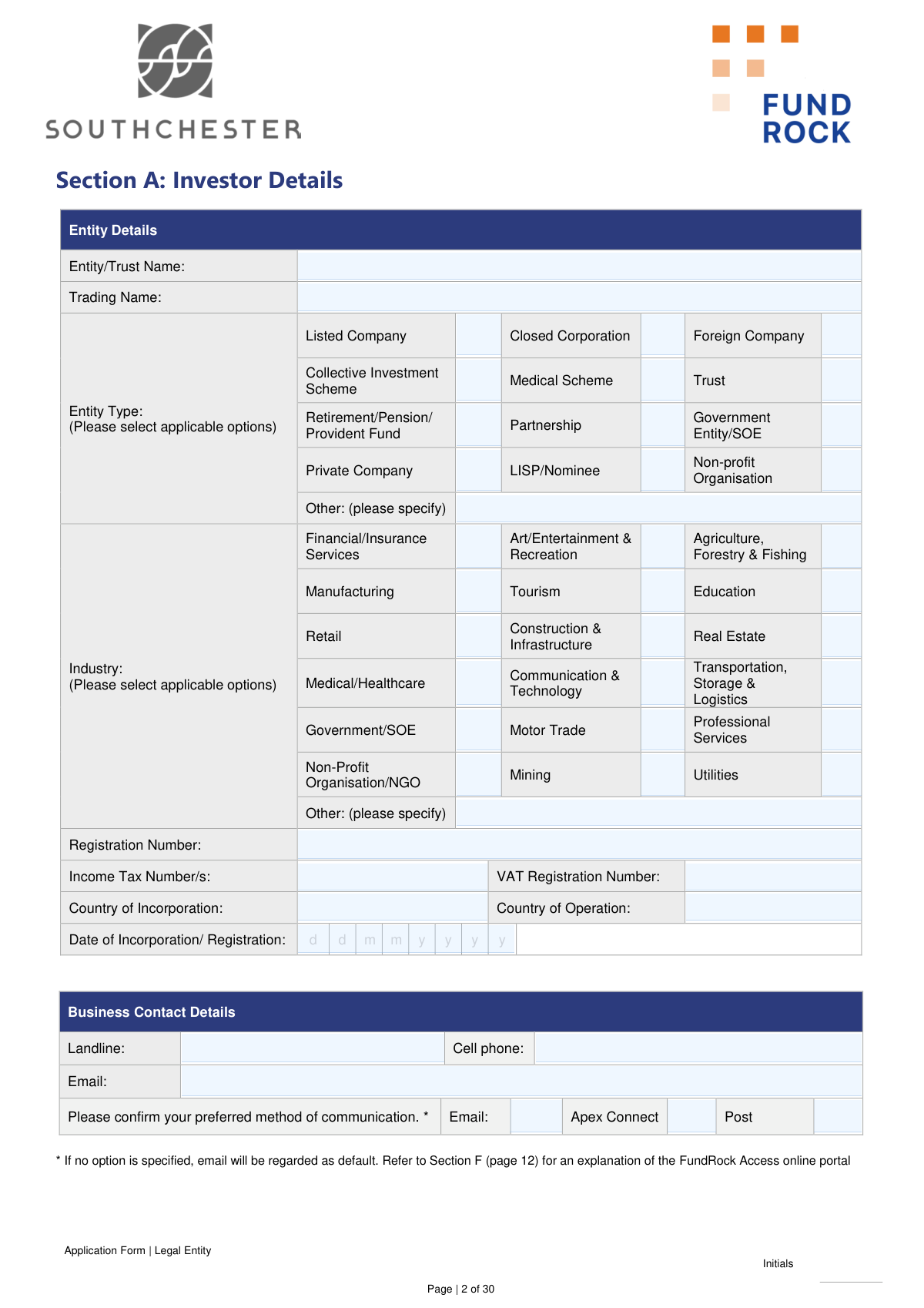
About EU legal forms
Typically, these forms are required by legal entities, such as corporations and trusts, as well as individuals navigating civil, commercial, or family law matters. For example, business owners might use them to file claims for logistics disputes or apply for investment hedge funds, while individuals might utilize them to appoint legal representation for immigration assistance or apply for legal aid. Navigating these requirements can be complex, especially when dealing with cross-border litigation or strict financial reporting standards like FATCA and CRS.
To simplify these administrative burdens, tools like Instafill.ai use AI to fill these forms in under 30 seconds while ensuring all data is handled accurately and securely. This technology removes the manual effort of data entry, allowing you to complete complex legal paperwork quickly and move forward with your case or application without delay.
Every form on this page can be completed without typing. Instafill is form filling software that reads a PDF and fills it for you — including flat and scanned documents that carry no fillable fields at all.
Forms in This Category
The forms in this category have a median Form Complexity Index of 67/100 (Complex), measured across 16 forms by field count, input difficulty, length, conditional logic and structure. See how it is calculated.
- Enterprise-grade security & data encryption
- 99%+ accuracy powered by AI
- 1,000+ forms from all industries
- Complete forms in under 60 seconds
Frequently Asked Questions
This category covers a broad range of legal and financial documents used within European and international jurisdictions. It includes standardized forms for small claims, investment applications for legal entities, migration agent appointments, and various declarations for legal proceedings.
These forms are used by a variety of parties, including individual claimants in cross-border disputes, legal entities looking to invest in hedge funds, and persons seeking legal aid. They are also used by legal practitioners and migration agents to formalize their representation of clients before government departments.
For civil or commercial disputes between parties in different EU member states where the value is €5,000 or less, 'Form A' for the European Small Claims Procedure is typically used. This form is designed to simplify litigation and make legal recourse more accessible and cost-effective across borders.
Yes, many of these forms can be completed efficiently using AI-powered tools. Services like Instafill.ai can fill these forms in under 30 seconds by accurately extracting data from your source documents and placing it directly into the required fields.
Legal entities such as companies or trusts must typically provide registration details, tax residency status, and information regarding ultimate beneficial owners. These requirements ensure compliance with international financial regulations like FICA, FATCA, and CRS.
Traditional manual entry can take significant time, but using AI automation reduces this to a matter of seconds. Instafill.ai allows users to generate completed, accurate PDF forms quickly, even converting non-fillable versions into interactive documents for easier processing.
Submission locations vary depending on the specific form; for example, small claims forms are filed with the competent court, while investment applications are sent to the fund manager. Migration-related forms are generally submitted to the relevant national Department of Home Affairs or immigration authority.
This is a document required by financial institutions to identify the individuals who ultimately own or control a legal entity. It is a mandatory requirement under anti-money laundering laws to prevent illicit financial activities and ensure transparency in business accounts.
Yes, specific application forms like the LAQAPP are used to request legal assistance for criminal, family, or civil law matters. These forms require detailed financial information and case specifics to determine if the applicant meets the eligibility criteria for a grant of aid.
For business entities or entrepreneurs, filing a formal claim form with the logistics provider is the necessary step to seek compensation. These forms capture shipment details, the nature of the issue, and the financial value of the claim to hold the carrier accountable.
Several forms in this category are specifically designed for the appointment or cessation of registered migration agents or legal practitioners. These documents notify the relevant government department of who is authorized to receive communications and provide immigration assistance on your behalf.
Most financial and investment-related legal forms require tax residency information to comply with global transparency standards. This data helps institutions report necessary information to tax authorities under frameworks like the Common Reporting Standard (CRS).
Glossary
- Form Complexity Index
- Instafill’s 0–100 measure of how much effort a form takes to complete, calculated deterministically from the form’s own structure rather than estimated. It combines the number of fillable fields (the largest factor), how difficult those fields are to complete based on their type, the number of pages that contain fields, the amount of conditional “fill-only-if” logic, and how many sections the form is divided into, then adds modifiers for tables and repeating lists, bundled instruction pages, and dense page layouts. A higher score means the form is harder to fill out by hand. The forms in this category have a median Form Complexity Index of 67/100 (Complex). See exactly how it is calculated.