Fill out financial account forms
with AI.
Financial account forms are the foundational documents required when opening, managing, or verifying accounts with banks, investment firms, and other financial institutions. These forms typically collect personal identification details, tax residency information, and declarations needed to satisfy regulatory requirements such as Know Your Customer (KYC) rules, anti-money laundering (AML) obligations, and international tax compliance frameworks like FATCA and CRS. Because financial institutions operate under strict legal mandates, these forms must be completed accurately and completely — errors or omissions can delay account opening or trigger compliance issues.
By continuing, you acknowledge Instafill's Privacy Policy and agree to get occasional product update and promotional emails.
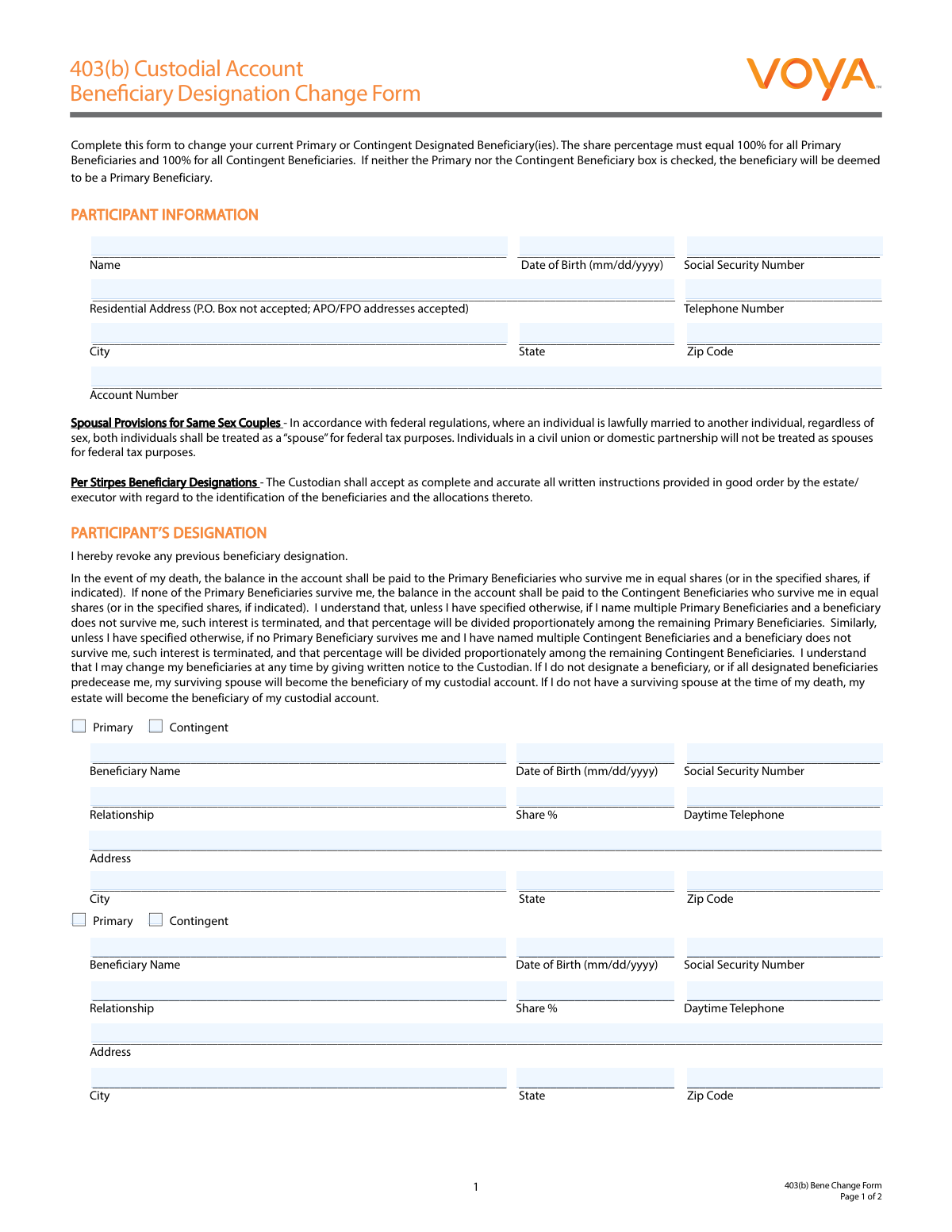
About financial account forms
Anyone opening a new financial account, whether as an individual investor, a business client, or a foreign national with cross-border tax obligations, will likely encounter forms in this category. A good example is the PSA Form/K/II/052025, an Indonesian account opening form that collects identity data, NPWP tax numbers, and foreign tax jurisdiction declarations — a common structure seen across financial institutions operating under international regulatory standards. These forms can range from straightforward to quite detailed, especially when multiple tax residencies or jurisdictions are involved.
For people who find these multi-page forms time-consuming or confusing, tools like Instafill.ai use AI to fill them out accurately in under 30 seconds, and can even convert non-fillable PDF versions into interactive forms — making the process significantly more manageable.
Every form on this page can be completed without typing. Instafill is form filling software that reads a PDF and fills it for you — including flat and scanned documents that carry no fillable fields at all.
Forms in This Category
The forms in this category have a median Form Complexity Index of 56/100 (Moderate), measured across 55 forms by field count, input difficulty, length, conditional logic and structure. See how it is calculated.
- Enterprise-grade security & data encryption
- 99%+ accuracy powered by AI
- 1,000+ forms from all industries
- Complete forms in under 60 seconds
How to Choose the Right Form
With only one form in this category, the decision is straightforward — but understanding what PSA Form/K/II/052025 covers will help you prepare before you start filling it out.
Who Should Use This Form?
The PSA Form/K/II/052025 - Formulir Pembukaan Rekening / Account Opening Form is designed for:
- New customers opening a financial account with a PSA-affiliated Indonesian financial institution
- Indonesian residents and foreign nationals who need to complete KYC (Know Your Customer) verification
- Individuals with foreign tax obligations, including those subject to FATCA (U.S. taxpayers) or CRS (Common Reporting Standard) reporting requirements
What You'll Need to Complete It
Before starting, gather the following:
- National ID or passport for identity verification
- NPWP (Tax Identification Number) if you are a registered Indonesian taxpayer
- Foreign tax identification numbers if you have tax residency in countries outside Indonesia
- Correspondence address and contact details
- Details about tax obligations in partner jurisdictions (if applicable)
Is This the Right Form for You?
- ✅ Use this form if you are opening a new account and have been directed to complete PSA's account opening documentation
- ✅ Use this form if your institution requires FATCA/CRS declarations as part of onboarding
- ❌ This form is not for existing account holders making changes — check with your institution for amendment or update forms
Tips for Filling It Out
At 17 pages, this form is detailed. Using an AI-powered tool like Instafill.ai can help you fill it out accurately and quickly, and can convert a non-fillable PDF version into an interactive form — saving you time and reducing errors.
Form Comparison
| Form | Purpose | Who Files It | When to Use |
|---|---|---|---|
| PSA Form/K/II/052025 - Formulir Pembukaan Rekening / Account Opening Form | Open financial account, collect KYC and FATCA/CRS tax data | Individual applicants opening accounts at Indonesian financial institutions | When opening a new account requiring identity and tax compliance verification |
Tips for financial account forms
Account opening forms like this one typically require your NPWP (Indonesian Tax Identification Number) as well as any foreign tax identification numbers if you have tax obligations outside Indonesia. Gathering these details before you start filling out the form will prevent delays and ensure accuracy across all tax-related fields.
Financial account forms with FATCA and CRS sections require you to declare whether you are a tax resident in any country outside Indonesia, including the United States. If you hold citizenship, residency, or financial ties to another country, be prepared to disclose that information honestly — incomplete declarations can cause compliance issues with your financial institution.
Your name, date of birth, and ID number must match exactly what appears on your official government-issued identification document. Even minor discrepancies — such as a missing middle name or a transposed digit — can trigger KYC verification failures and delay your account opening.
AI-powered tools like Instafill.ai can fill out complex financial account forms in under 30 seconds with high accuracy, saving you from manually navigating 17+ pages of regulatory fields. Your data stays secure throughout the process, making it a practical solution when you need to handle multiple forms or convert non-fillable PDFs into interactive ones.
Financial institutions use your correspondence address to send statements, regulatory notices, and important account communications. Make sure the address you provide is current and matches your supporting documents, as mismatches can flag your application during the KYC review process.
After completing and submitting your account opening form, save a copy of the completed form along with any supporting documents you provided. This creates a personal record that can be referenced if the institution requests clarification or if you need to update your information in the future.
Leaving sections blank — even those that appear optional — can slow down the review process, as compliance officers may need to follow up for clarification. Completing every applicable section upfront demonstrates thoroughness and helps your application move through KYC checks more smoothly.
The declaration sections of financial account forms carry legal weight, affirming that the information you have provided is accurate and complete. Read each declaration carefully before signing, and if you are unsure about your tax residency status or foreign obligations, consult a tax professional before submitting.
Frequently Asked Questions
Financial account forms are official documents used to open bank or investment accounts, verify customer identities, and ensure compliance with regulatory requirements. They typically collect personal data, tax identification numbers, and declarations related to anti-money laundering (AML) and Know Your Customer (KYC) obligations.
Anyone looking to open a new financial account — whether an individual or a business entity — is typically required to complete an account opening form. These forms are mandatory for financial institutions to verify the identity of their customers and comply with local and international regulations.
FATCA (Foreign Account Tax Compliance Act) is a U.S. regulation that requires foreign financial institutions to report accounts held by U.S. taxpayers or foreign entities in which U.S. taxpayers hold a substantial ownership interest. Financial account forms often include FATCA declarations to ensure the institution meets its international reporting obligations.
CRS (Common Reporting Standard) is an international framework developed by the OECD that requires financial institutions to collect and report information about account holders who are tax residents in participating countries. Account opening forms include CRS sections to identify whether applicants have tax obligations in jurisdictions outside their home country.
Most financial account forms require a government-issued identity document (such as a national ID or passport), a tax identification number (such as NPWP in Indonesia), proof of address, and declarations about tax residency in foreign jurisdictions. Requirements may vary depending on the financial institution and applicable regulations.
KYC (Know Your Customer) is a regulatory process that financial institutions use to verify the identity of their clients and assess potential risks of illegal activity. Account opening forms are a key part of KYC compliance, collecting identity details, contact information, and declarations to help prevent fraud and money laundering.
Yes — AI-powered tools like Instafill.ai can fill out financial account forms in under 30 seconds by accurately extracting and placing data from your source documents. This significantly reduces manual data entry errors and speeds up the account opening process, even for complex multi-page forms.
Manually completing a detailed financial account form — especially multi-page forms with identity, tax, and compliance sections — can take 20 to 45 minutes. Using AI-powered services like Instafill.ai, the same form can be filled out accurately in under 30 seconds by automatically populating fields from your existing documents.
Errors on financial account forms can delay the account opening process or result in rejection by the financial institution. It is important to double-check all personal details, tax identification numbers, and declarations before submitting. Using an AI-assisted form-filling tool can help reduce the risk of common data entry mistakes.
No — financial account forms vary by country and institution, reflecting local regulatory requirements, tax laws, and compliance frameworks. However, many forms share common international sections such as FATCA and CRS declarations, which are required under global reporting standards regardless of the country.
Completed financial account forms are typically submitted directly to the financial institution — either in person at a branch, via their official online portal, or by mail, depending on the institution's accepted submission methods. Always confirm the preferred submission channel with your financial institution before sending sensitive documents.
Yes — services like Instafill.ai can convert non-fillable PDF versions of financial account forms into interactive fillable forms, making it easier to complete and submit them digitally. This is especially useful for forms distributed as scanned or static PDFs that cannot be edited directly.
Glossary
- Form Complexity Index
- Instafill’s 0–100 measure of how much effort a form takes to complete, calculated deterministically from the form’s own structure rather than estimated. It combines the number of fillable fields (the largest factor), how difficult those fields are to complete based on their type, the number of pages that contain fields, the amount of conditional “fill-only-if” logic, and how many sections the form is divided into, then adds modifiers for tables and repeating lists, bundled instruction pages, and dense page layouts. A higher score means the form is harder to fill out by hand. The forms in this category have a median Form Complexity Index of 56/100 (Moderate). See exactly how it is calculated.
- KYC (Know Your Customer)
- A regulatory process requiring financial institutions to verify the identity of their clients before opening accounts. It involves collecting personal identification details, address information, and financial background to prevent fraud and money laundering.
- FATCA (Foreign Account Tax Compliance Act)
- A U.S. law requiring foreign financial institutions to report information about financial accounts held by U.S. taxpayers to the IRS. Account holders must declare whether they have U.S. tax obligations when opening accounts at participating institutions.
- CRS (Common Reporting Standard)
- An international framework developed by the OECD that requires financial institutions to collect and report tax residency information for account holders to relevant tax authorities. It is the global equivalent of FATCA and applies to participating countries outside the U.S.
- NPWP (Nomor Pokok Wajib Pajak)
- Indonesia's Taxpayer Identification Number, a unique number assigned to individuals and entities by the Directorate General of Taxes for tax administration purposes. It is required on Indonesian financial account opening forms to verify tax compliance.
- Tax Residency
- The country or jurisdiction where an individual or entity is considered a taxpayer based on factors like domicile, citizenship, or duration of stay. Financial institutions collect this information to determine reporting obligations under FATCA and CRS.
- AML (Anti-Money Laundering)
- A set of laws, regulations, and procedures designed to prevent criminals from disguising illegally obtained funds as legitimate income. Financial institutions must comply with AML requirements when onboarding new account holders.
- TIN (Tax Identification Number)
- A unique number assigned by a government tax authority to identify taxpayers, such as the U.S. Social Security Number (SSN) or Indonesia's NPWP. Account opening forms often require TINs from all relevant tax jurisdictions where the applicant has obligations.
- Beneficial Owner
- The natural person who ultimately owns or controls a financial account or legal entity, even if the account is held in another name. Regulators require financial institutions to identify beneficial owners to prevent anonymous financial activity.
- Correspondent Address
- The mailing or contact address provided by an account holder for receiving official communications from a financial institution, which may differ from their permanent residential address.
- Account Opening Form
- A formal document submitted to a financial institution to initiate the creation of a new account, capturing personal data, identification details, tax information, and declarations required for regulatory compliance.