Yes! You can use AI to fill out JFS 01443, Request for Payment for Special Services for Children in Out-of-Home Care

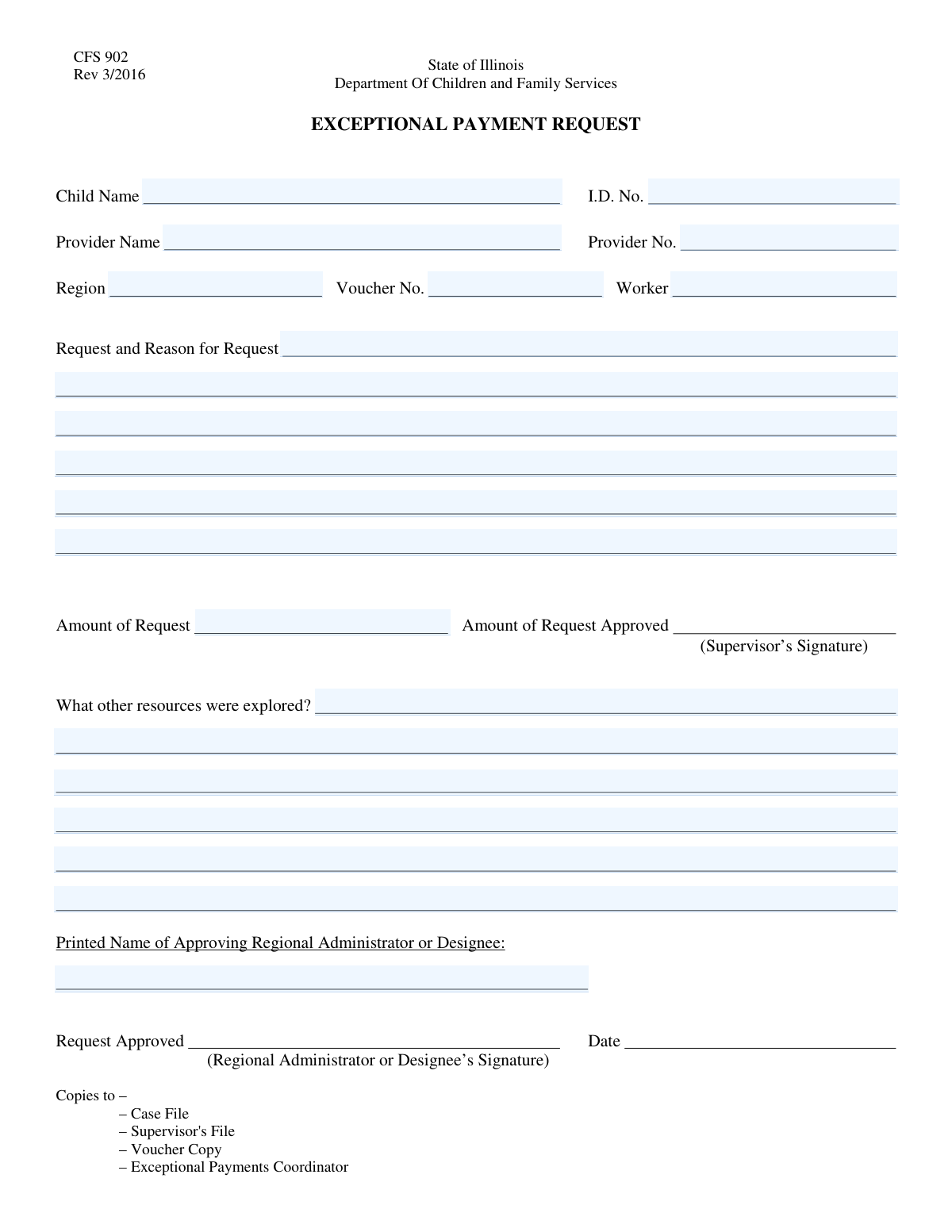
The JFS 01443, Request for Payment for Special Services for Children in Out-of-Home Care, is a document used by child welfare agencies and providers to request funding for specific needs not covered by standard payments. This form is crucial for ensuring children in out-of-home placements receive necessary services, such as specialized medical care, educational support, or therapeutic activities. Today, this form can be filled out quickly and accurately using AI-powered services like Instafill.ai, which can also convert non-fillable PDF versions into interactive fillable forms.
JFS 01443 is part of the CAR forms, child care forms, payment forms and L.A. Care forms categories on Instafill.
Our AI automatically handles information lookup, data retrieval, formatting, and form filling.
It takes less than a minute to fill out JFS 01443 using our AI form filling.
Securely upload your data. Information is encrypted in transit and deleted immediately after the form is filled out.

Form specifications

Form name: JFS 01443, Request for Payment for Special Services for Children in Out-of-Home Care
Number of fields: 23
Number of pages: 1
Filled form examples: Form JFS 01443 Examples
Language: English
main-image

Instafill Demo: How to fill out PDF forms in seconds with AI

How to Fill Out JFS 01443 Online for Free in 2026

Are you looking to fill out a JFS 01443 form online quickly and accurately? Instafill.ai offers the #1 AI-powered PDF filling software of 2026, allowing you to complete your JFS 01443 form in just 37 seconds or less.
Follow these steps to fill out your JFS 01443 form online using Instafill.ai:
  1. 1 Navigate to Instafill.ai and upload your JFS 01443 form or select it from our template library.
  2. 2 Use the AI assistant to automatically fill in the Child and Provider Information sections, including names and ID numbers.
  3. 3 Complete the Administrative Details, such as the region, voucher number, and worker's name, letting the AI guide you to the correct fields.
  4. 4 Provide a detailed explanation for the request, the amount requested, and a summary of other resources that were explored.
  5. 5 Review all entered information for accuracy and completeness before proceeding to the final step.
  6. 6 Enter the printed name of the approving administrator or designee to authorize the request.
  7. 7 Securely sign and submit the completed form directly from the platform or download it for your records.

Our AI-powered system ensures each field is filled out correctly, reducing errors and saving you time.

Why Choose Instafill.ai for Your Fillable JFS 01443 Form?

Speed

Complete your JFS 01443 in as little as 37 seconds.

Up-to-Date

Always use the latest 2026 JFS 01443 form version.

Cost-effective

No need to hire expensive lawyers.

Accuracy

Our AI performs 10 compliance checks to ensure your form is error-free.

Security

Your personal information is protected with bank-level encryption.

Frequently Asked Questions About Form JFS 01443

This form is used to request a payment or specific resources for a child from a governing agency. It serves to document the need, the amount requested, and the justification for the expenditure.

Typically, a case worker, service provider, or an administrative staff member associated with the child's case is responsible for completing and submitting this form.

The Child ID Number is a unique identifier found in the child's official case file. The Provider Number is assigned to the service provider and should be available from the provider or your agency's directory.

Provide a clear and detailed explanation of what you are requesting and why it is necessary for the child. Justify the need by linking it to the child's well-being, development, or specific care plan.

In this section, you must detail all other avenues you have pursued to meet the child's need. This demonstrates due diligence and confirms that this request is the most viable or necessary option.

If a Voucher Number has not yet been assigned, you may be able to leave it blank or write 'Pending'. It is best to check with your supervisor or regional administrator for the correct procedure.

These appear to be generic, unlabelled fields that can be used for additional information. You can use them to continue your explanation from a previous section if you run out of space.

This is the official, such as a regional administrator, who has the authority to approve the request. You should enter their name, and they will typically sign the form after you submit it.

Submission procedures are determined by your agency and may involve sending it to a supervisor or a central office. Processing times vary, so contact your regional administrator for an estimated timeline.

Yes, services like Instafill.ai use AI to help you accurately auto-fill form fields from your existing data. This can save significant time and reduce the risk of manual entry errors.

To fill this form online, you can upload the PDF to the Instafill.ai platform. Their technology will make the fields interactive, allowing you to type your information directly or use AI to populate it for you.

You can use a service like Instafill.ai, which can convert flat, non-fillable PDFs into interactive forms. Simply upload your scanned document, and the platform will make it fillable online.

Compliance JFS 01443
Validation Checks by Instafill.ai

1
Child Name Completeness
This check ensures the 'Child Name' field is not left empty. It is a mandatory field required to identify the beneficiary of the service or payment. A failed validation will prevent form submission and prompt the user to enter the child's full name before proceeding.
2
Child ID Number Format Validation
Verifies that the 'Child ID Number' follows a specific, predefined format, such as being a 9-digit numeric value. This ensures data consistency and compatibility with backend systems for accurate record-keeping and lookups. If the format is incorrect, an error message will be displayed explaining the required structure.
3
Provider Number Existence Check
Validates that the 'Provider Number' exists within the system's database of registered providers. This is crucial for ensuring payments are directed to legitimate and active service providers. A failure indicates the number is incorrect or the provider is not registered, and the user must correct it to continue.
4
Region Value Validation
Ensures the value entered in the 'Region' field matches an entry from a predefined list of valid administrative regions. This prevents data entry errors and ensures the request is routed to the correct administrative office for processing. An invalid entry will result in an error and may present the user with a list of valid options.
5
Voucher Number Format Validation
Checks that the 'Voucher Number' adheres to a specific alphanumeric pattern (e.g., 'VCH-' followed by 8 digits). Standardizing this format is essential for tracking, auditing, and preventing fraudulent entries. The system will reject submissions with incorrectly formatted voucher numbers and inform the user of the correct format.
6
Request Reason Minimum Length
This validation ensures that the 'Request and Reason for Request' field contains a detailed explanation by checking for a minimum character count. A brief or empty reason can delay processing as it lacks sufficient justification for the request. If the explanation is too short, the user will be prompted to provide more detail.
7
Amount of Request Format and Range
Verifies that the 'Amount of Request' is a valid positive number, formatted correctly as currency (e.g., 123.45). It prevents non-numeric characters and ensures the requested amount is greater than zero. This is fundamental for financial processing and prevents calculation errors or invalid payment requests.
8
Resources Explored Completeness Check
Confirms that the 'Resources Explored' field is not empty and meets a minimum length requirement. This information is often required to demonstrate due diligence before requesting funds, ensuring that other potential solutions have been considered. A failed validation will require the user to detail the resources they have explored.
9
Approving Administrator Name Completeness
Ensures the 'Printed Name' of the approving administrator or designee is provided. This field is critical for accountability and authorization, confirming who approved the request. The form cannot be considered complete or officially approved without this information.
10
Child ID and Name Consistency Check
Performs a cross-reference check against a central database to ensure the 'Child Name' and 'Child ID Number' belong to the same individual. This prevents misidentification and ensures services are correctly attributed to the intended child. A mismatch will halt the submission and require the user to verify the child's information.
11
Provider Number and Name Consistency Check
Validates that the entered 'Provider Name' matches the name associated with the 'Provider Number' in the provider directory. This check prevents payments from being misdirected due to typos or incorrect information. If the details do not match, the user must correct the provider information before proceeding.
12
Worker and Region Association
Verifies that the 'Worker' submitting the request is assigned to the specified 'Region'. This is a security and administrative control to ensure that only authorized personnel can submit requests for their designated area. An unauthorized submission attempt would be blocked, preventing potential fraud or administrative errors.
13
Voucher Number Uniqueness Validation
Checks the system to ensure the provided 'Voucher Number' has not been used in a previous submission. This is a critical anti-fraud measure to prevent duplicate payments or the reuse of a single-use voucher. If the voucher number is found to be a duplicate, the submission will be rejected.
14
Approving Administrator Authorization Check
Verifies that the person listed as the 'Approving Administrator/Designee' has the authority to approve requests for the specified 'Region'. This check cross-references a list of authorized personnel against the region. A failure would indicate the named person is not an authorized approver for that region, preventing unauthorized approvals.

Common Mistakes in Completing JFS 01443

Using an Incomplete or Informal Child Name

This mistake occurs when a user enters a nickname or an incomplete version of the child's name instead of their full legal name. This often leads to a mismatch with official records, causing processing delays or outright rejection of the request while the identity is verified. To avoid this, always use the child's full legal name as it appears on official documents like a birth certificate or social security card.

Transposing Digits in ID or Voucher Numbers

Entering the Child ID, Provider Number, or Voucher Number with transposed digits is a frequent data entry error. This happens due to haste or carelessness and can cause the request to be associated with the wrong file or be rejected by the system as invalid. To prevent this, carefully double-check each number before submission. AI-powered tools like Instafill.ai can help by storing and accurately auto-filling these numbers, reducing the risk of manual typos.

Providing a Vague 'Reason for Request'

Users often provide brief or unclear explanations in the 'Request and Reason for Request' section, assuming the reviewer has prior context. This lack of detail is a primary reason for denial, as the justification is deemed insufficient. To avoid this, be explicit and thorough: clearly state what is needed, why it is necessary for the child, and what the consequences are if the request is not approved.

Leaving 'Resources Explored' Blank or Underdeveloped

Many applicants either leave the 'Resources Explored' section blank or simply write 'none'. This is a critical error, as many programs require proof that other avenues have been exhausted before providing funds. A blank response often leads to automatic denial. Always document every resource you've investigated—even if unsuccessful—including community programs, other agencies, or family support, to demonstrate due diligence.

Using Abbreviations for the Provider Name

Instead of the full, official name of the provider, users may enter a common abbreviation or acronym. This can cause payment and processing systems to fail, as they may not recognize the abbreviated name. Always use the provider's complete, legal business name as it appears on official invoices or contracts to ensure the request is routed and processed correctly.

Incorrectly Formatting the 'Amount of Request'

Mistakes in the 'Amount of Request' field, such as using dollar signs, commas, or incorrect decimal placement, can cause calculation errors or form rejection. This data entry mistake can lead to incorrect payment amounts or require manual correction, delaying the entire process. Always enter the amount as a plain number with a decimal point for cents (e.g., '150.75') and double-check your calculation.

Guessing Administrative Details like 'Region' or 'Worker'

When unsure, people sometimes guess or leave the 'Region' and 'Worker' fields blank. This causes the form to be misrouted to the wrong department or sit in a general queue, leading to significant delays. Before filling out the form, confirm this information by checking previous correspondence or contacting the agency directly.

Misinterpreting the 'Approving Administrator' Field

A common point of confusion is the 'Printed Name (Approving Administrator/Designee Name)' field, where the person filling out the form mistakenly enters their own name. This field is reserved for the official who authorizes the request, and filling it out incorrectly can invalidate the form. Unless you are the designated approver, this field should be left blank for the proper authority to complete.

Reusing an Old or Invalid Voucher Number

Applicants sometimes mistakenly reuse a voucher number from a previous request or enter one that has expired. Each payment request typically requires a unique, current voucher number to be valid. Submitting a duplicate or invalid number will cause the request to be rejected, delaying payment and requiring resubmission with the correct information.

Manual Data Entry Errors on a Non-Fillable PDF

If the form is only available as a non-fillable PDF, users are forced to print it and fill it out by hand, leading to illegible handwriting and data entry mistakes. This can make the form impossible to process correctly, resulting in delays and rejections. To avoid this, an AI tool like Instafill.ai can convert a flat PDF into an interactive, fillable form, allowing for clean, typed entries and data validation to prevent common errors.
Saved over 80 hours a year

“I was never sure if my IRS forms like W-9 were filled correctly. Now, I can complete the forms accurately without any external help.”

Kevin Martin Green

Your data stays secure with advanced protection from Instafill and our subprocessors

Robust compliance program

Transparent business model

You’re not the product. You always know where your data is and what it is processed for.

ISO 27001, HIPAA, and GDPR

Our subprocesses adhere to multiple compliance standards, including but not limited to ISO 27001, HIPAA, and GDPR.

Security & privacy by design

We consider security and privacy from the initial design phase of any new service or functionality. It’s not an afterthought, it’s built-in, including support for two-factor authentication (2FA) to further protect your account.

Fill out JFS 01443 with Instafill.ai

Worried about filling PDFs wrong? Instafill securely fills jfs-01443-request-for-payment-for-special-services-for-children-in-out-of-home-care forms, ensuring each field is accurate.